Macgi
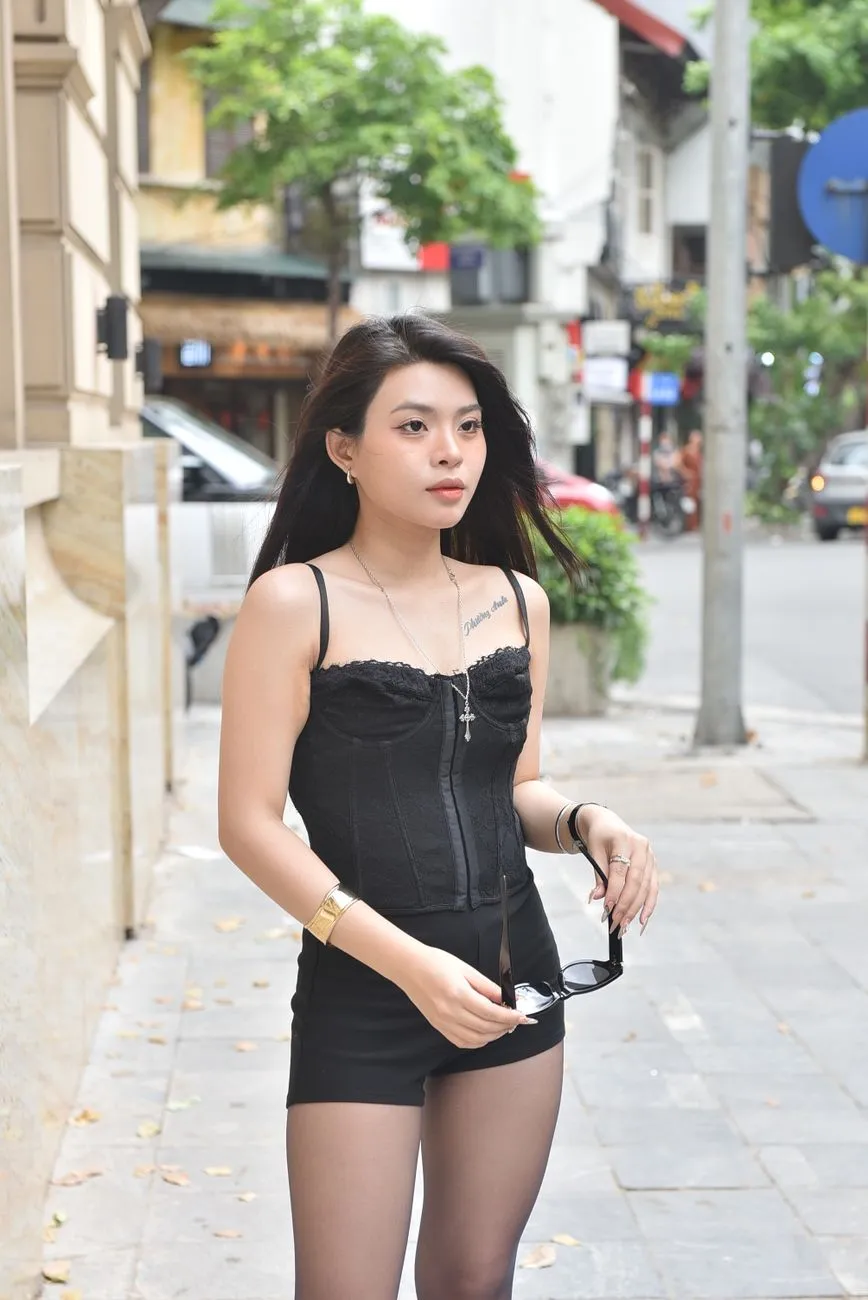
Dressing better is less about buying a new wardrobe and more about making a few deliberate choices: fit first, colour second, shoes third, then the small details that make clothes look intentional. The goal is not to change your body or follow every trend. It is to build a way of dressing that feels easy, looks considered, and works for your real life.
This guide breaks that process into practical steps you can use today, including how to preview outfits before you commit to a purchase.
Fit and Tailoring: The Fastest Way to Look More Polished
A simple garment that fits well usually looks better than an expensive one that pulls, sags or pools at the ankle. Fit changes how clothes look because it controls where fabric falls, where the eye stops, and how the whole silhouette reads. The first skill to build is learning to judge your own fit in a photo rather than relying only on a mirror.
How to check fit in a mirror or photo
- Take a straight-on full-length photo in natural light. Look at shoulders, chest, waist, hips and hems.
- Shoulder seams on tops and jackets should sit at or close to the bony point of the shoulder, not halfway down the upper arm.
- Trousers should not bunch heavily at the crotch or pull tightly across the hips.
- Shirt buttons should lie flat without gaping, and sleeves should end around the wrist bone when arms hang down.
- On dresses, the waist seam should sit at your natural waist if the design is fitted there. If it sits too high or low, the proportions can look off.
What to tailor and what to leave
The most useful, low-effort alterations are hemming trousers to the right length, taking in the waist of trousers or skirts, shortening sleeves on jackets and shirts, and adjusting strap length on dresses. You do not need to tailor every piece. Start with anything you already love but avoid wearing because one part fits wrong.
If you want a sharper impression, tailoring is usually the highest-impact change you can make before buying anything new. It works for all body shapes and sizes because it adapts the garment to your proportions, not the other way around.
Build a Small Set of Reliable Basics
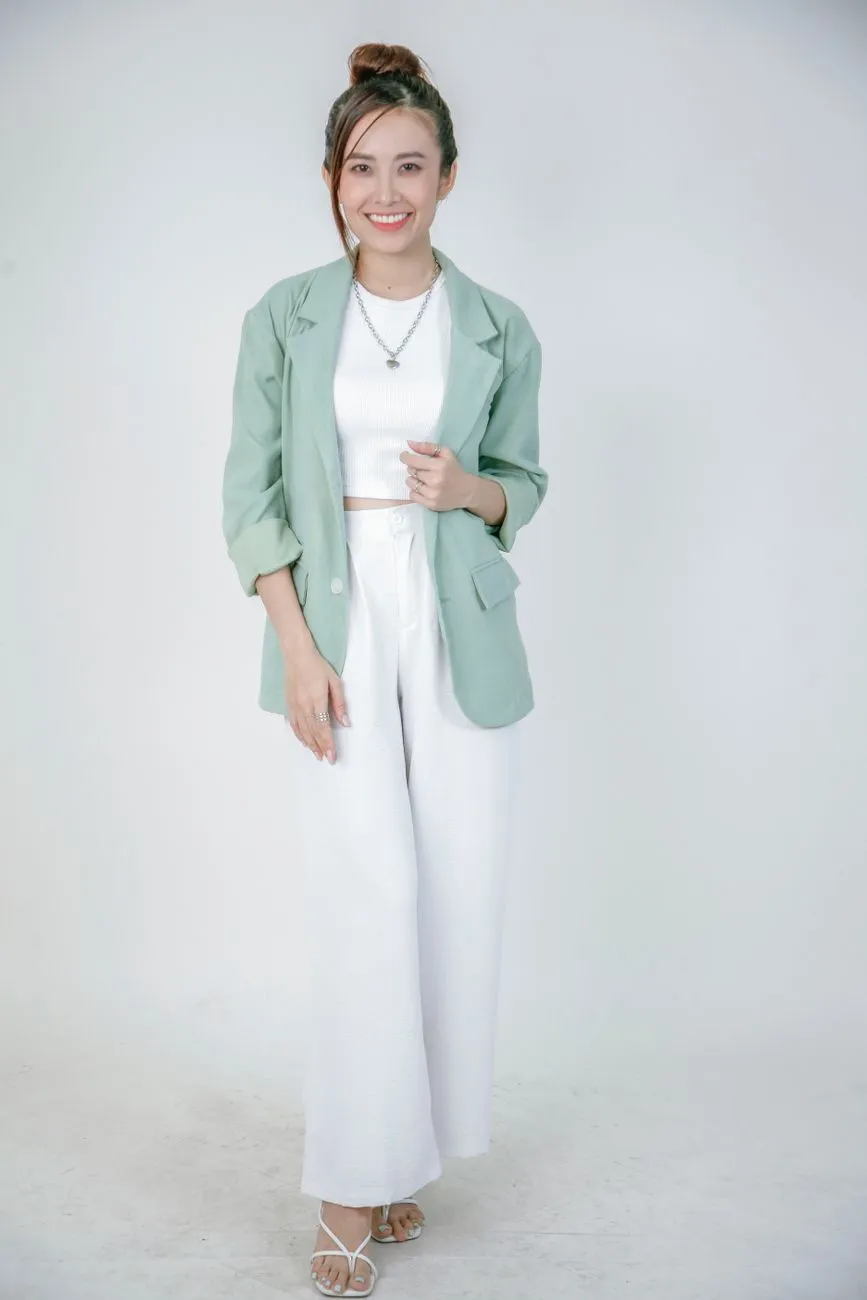
Most “how to dress better” advice collapses into one idea: have a few neutral, well-fitting pieces that can be mixed without thinking. You do not need a huge wardrobe. A small set of basics that fit well gives you a base for everything else.
Core pieces worth owning
For most people, a workable base includes:
- One or two well-fitting tops in white, black or navy.
- One pair of trousers in a neutral colour that fits the waist and hips.
- One pair of dark jeans or dark casual trousers without heavy distressing.
- One layer such as a cardigan, overshirt, blazer or light jacket.
- One pair of clean, low-profile shoes in a neutral colour.
These are not rules for everyone. If you live in a hot climate, linen and cotton will matter more than wool. If you walk a lot, comfortable shoes take priority. The point is to have simple pieces that can be worn with each other, so you spend less time deciding and more time wearing.
How to choose fabric and cut
Look for fabrics that hold their shape through the day: cotton twill, cotton poplin, linen blends, mid-weight jersey, light wool or wool blends. Avoid fabrics that are too thin and cling in ways you did not intend, or too stiff and bulky for your frame. If you are unsure, choose a cut that skims the body with a little room rather than tight or oversized. You can build more shape later once the basics fit.
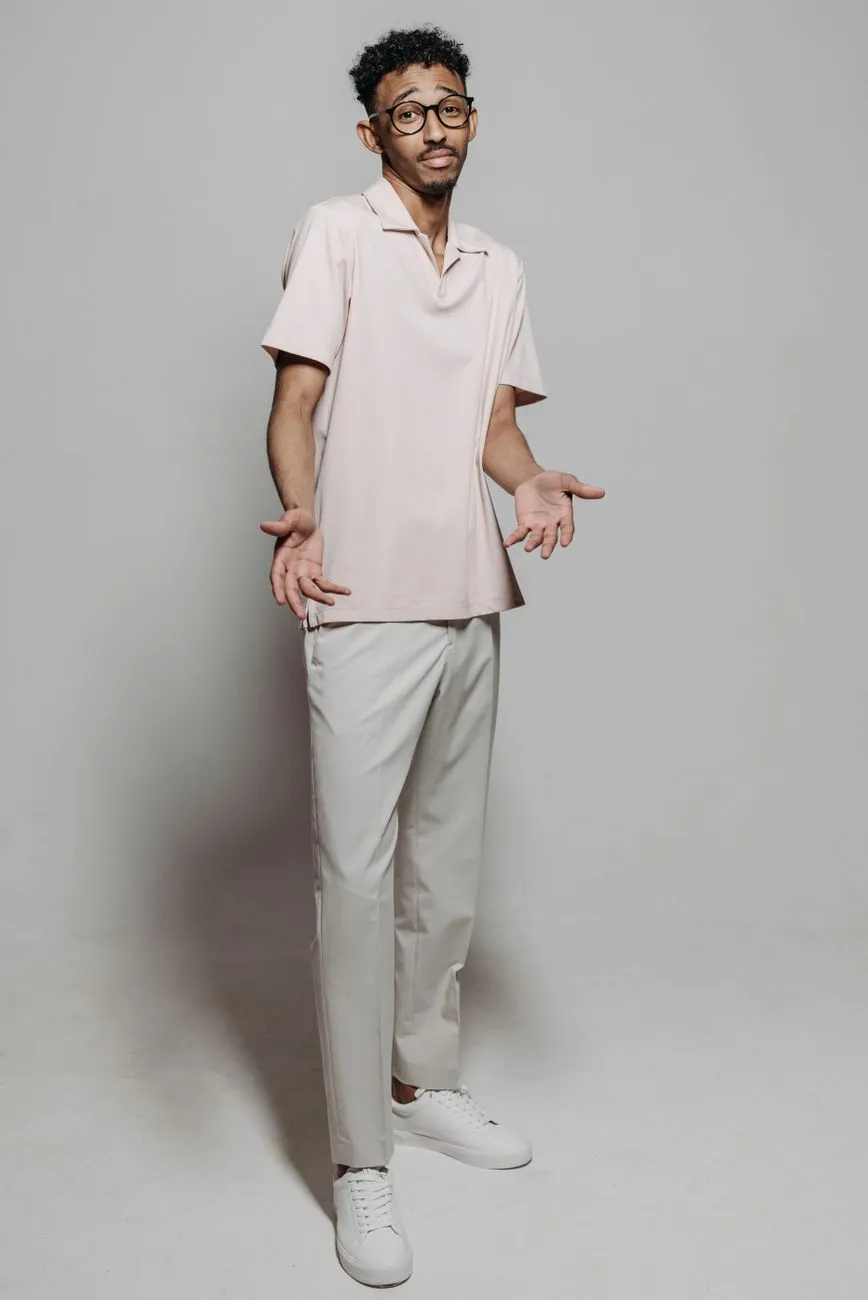 Photo: Pavel Danilyuk / Pexels
Colour: Keep It Simple First, Then Add Contrast
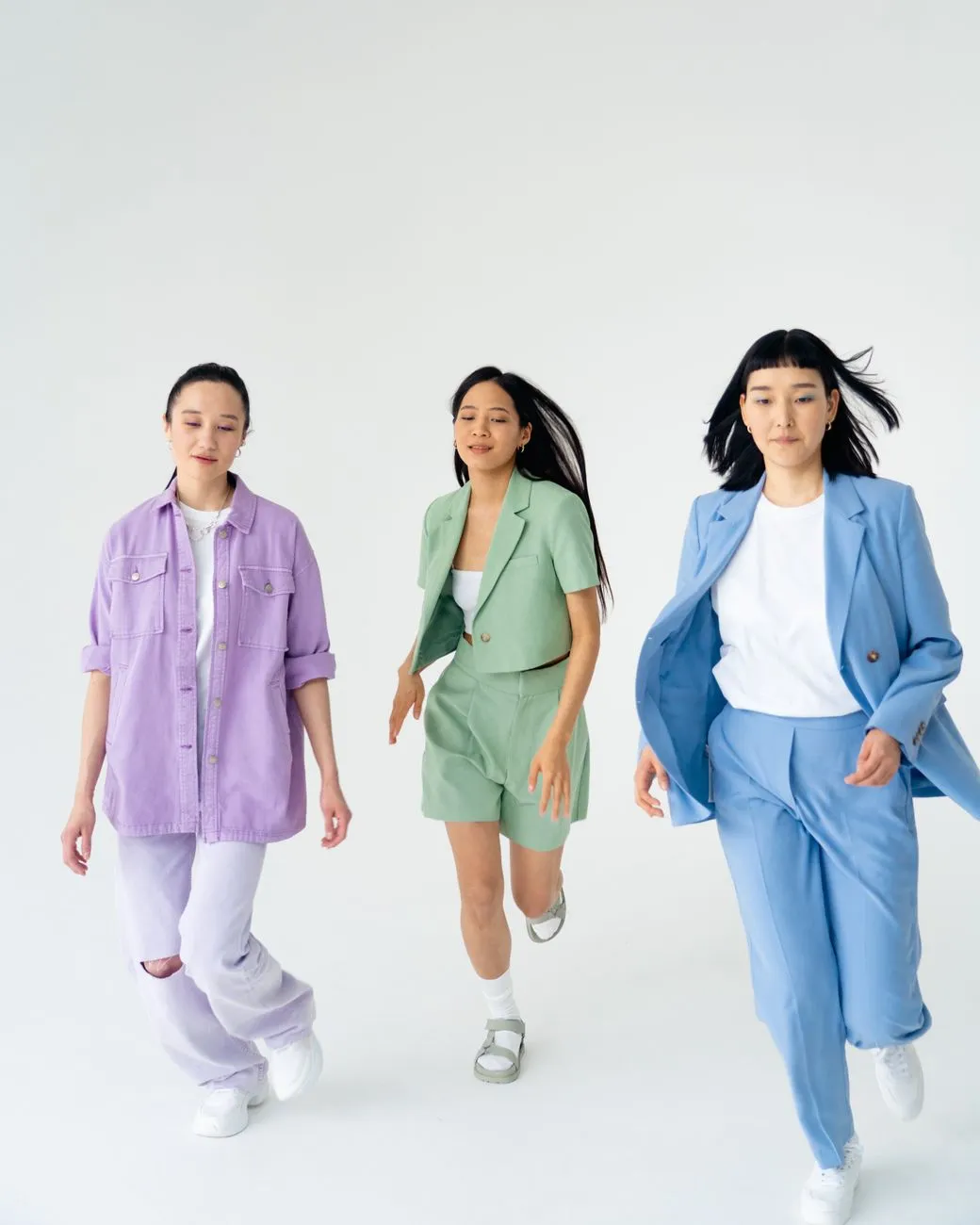
Colour is where many people freeze. The easiest fix is to limit the palette at first, then add one accent colour. A simple outfit in two or three colours usually reads as more intentional than five colours competing for attention.
A simple 60-30-10 approach
Think of an outfit as 60% one dominant colour, 30% a secondary neutral, and 10% an accent. For example: navy trousers, white shirt, brown belt and shoes. Or beige trousers, cream top, black bag. You do not need to measure percentages; the point is that one colour leads, one supports, and one small detail adds life.
When in doubt, pair any bright or unusual colour with a neutral: white, off-white, black, grey, navy, camel, brown or olive. Neutrals make stronger colours wearable without feeling loud.
How to match colour to your skin tone
The fastest way is to notice whether your skin looks brighter next to warm colours, such as rust, mustard, warm beige or olive, or cool colours, such as burgundy, navy, cool grey or icy pink. If you want a deeper guide, see Color matching clothes to skin tone: undertone tests and palettes. For everyday dressing, use your face as the test: hold a colour near your face in natural light and see if it makes you look tired or fresh.
Shoes: The Detail That Changes the Whole Outfit
Shoes can make a simple t-shirt and trousers look deliberate, or make a polished outfit feel unfinished. You do not need many pairs; you need pairs that work with the trousers and skirts you actually wear.
Shoe styles that do the most work
For most wardrobes, three or four pairs cover a lot of ground:
- A clean, low-profile sneaker in white, black or grey.
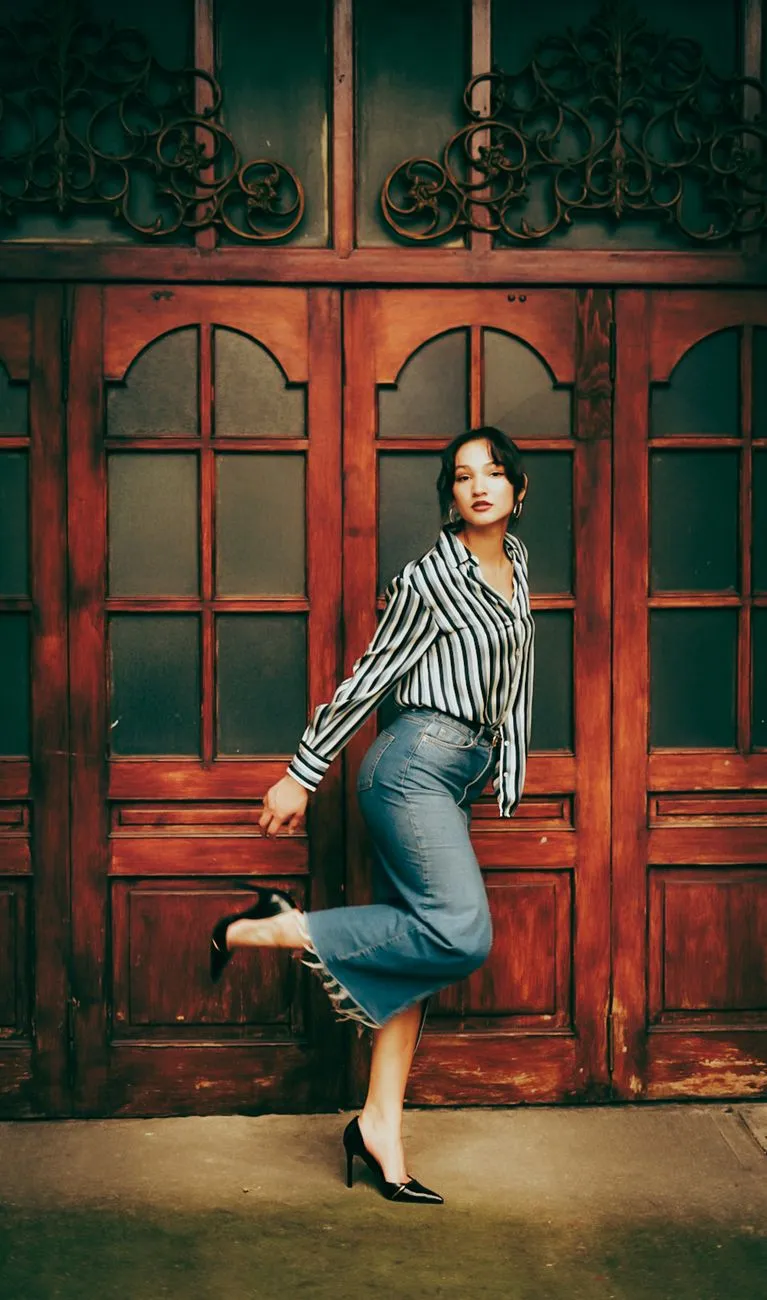
- A flat or low-heeled shoe such as a loafer, ballet flat or mule in brown, black or tan.
- A simple sandal with a secure strap for hot weather.
- For more formal situations, a derby, oxford or low block-heel pump in a dark neutral.
The common thread is simplicity: solid colour, little visible branding, no heavy platform or excessive straps. Simple shoes pair with more outfits and draw attention back to the whole look rather than just your feet.
What to avoid when you are unsure
Very chunky athletic shoes with dress trousers can clash with the silhouette. Worn-out shoes with scuffed toes make an otherwise good outfit look careless. If you only have one pair and you cannot replace it yet, clean it regularly and keep the laces fresh. Fit matters for shoes too: shoes that are too tight change the way you stand and walk, which changes the look of everything else.
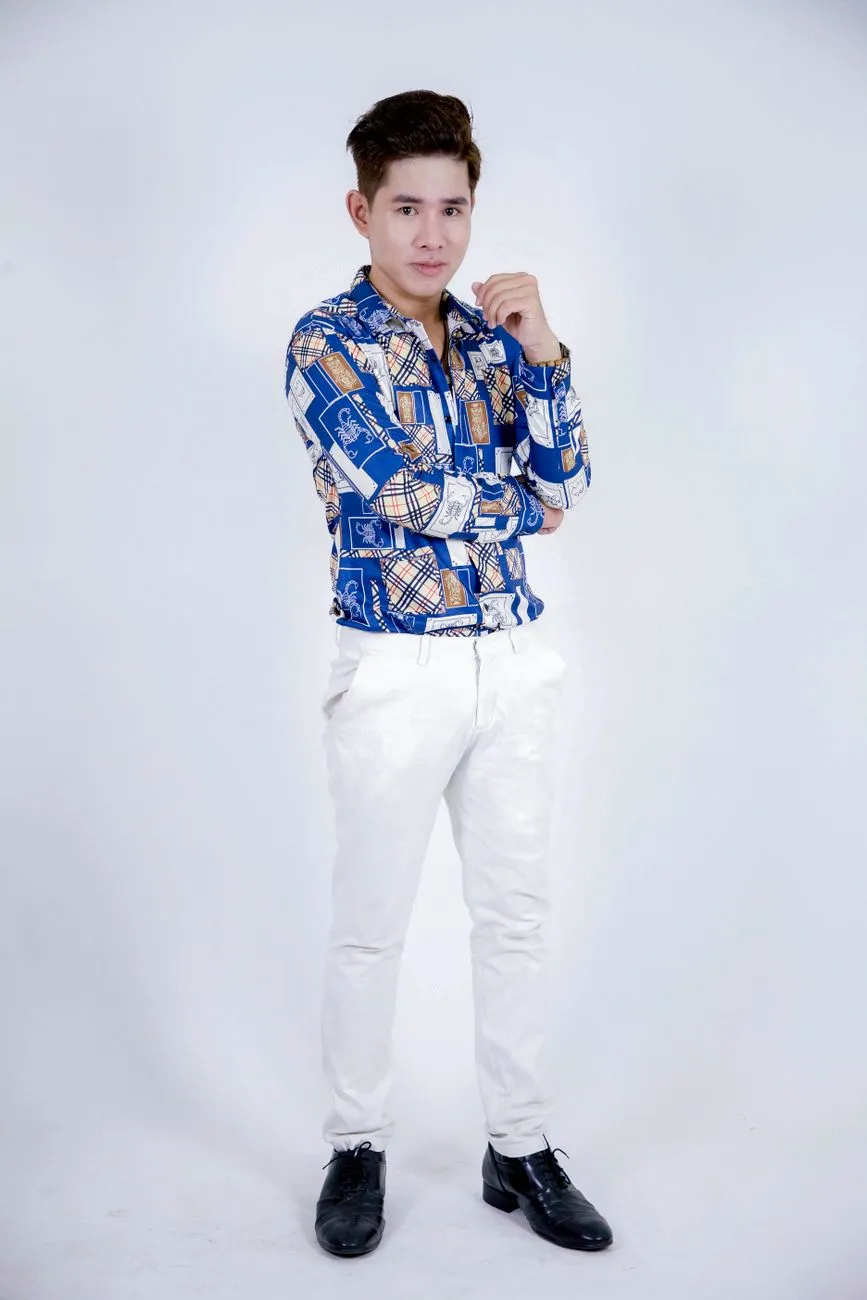 Photo: Thể Phạm / Pexels
Grooming and Details That Make Clothes Look Better
Dressing better is not only about clothes. A few non-clothing details affect how the whole outfit reads.
Keep the frame clean
Well-kept hair, trimmed nails, clean skin and a subtle or absent fragrance make an outfit look intentional. Clothes sit on a person, so if the person looks comfortable and put together, the clothes look better too.
Posture changes the fit
Standing straight with shoulders relaxed and weight even makes clothes hang the way they were designed to. Slouching shortens the torso and makes jackets and tops pull in the wrong places. You do not need perfect posture, just a small adjustment: roll the shoulders back slightly, tuck the chin a touch, and breathe.
Take care of the little things
- Iron or steam pieces that wrinkle easily.
- Remove pills from knits.
- Clip loose threads.
- Empty pockets so nothing bulges.
- Keep shoes clean and store them with shape.
These are small actions that cost little and make an outfit look more expensive and more considered.
7 Steps to Build a Personal Style Step by Step
Personal style is not about copying one influencer or following every trend. It is about knowing what you like, what fits your life, and how to repeat it with small variations. Here is a working sequence.
Step 1: Clear the noise
Spend 15 minutes pulling out the clothes you actually wear each week. Put the rest in a bag or box out of sight. You do not have to throw anything away. Seeing what you truly rely on tells you more than any style quiz.
Step 2: Take photos of real outfits
Take a straight-on full-body photo of three or four outfits you already like. Look at them as if they belong to a friend. Notice what repeats: the same trouser shape, a certain neckline, a colour. Those patterns are the beginning of your style.
Step 3: Identify the fit you keep choosing
Write down the pieces that get the most compliments or the ones you reach for when you need to feel confident. Usually there is a common cut: straight trousers, a slightly cropped top, a long jacket, a full skirt. That is your silhouette.
Step 4: Make a simple outfit formula
Build one or two repeatable formulas. For example: knit top + straight trousers + low-heeled shoes. Or: t-shirt + dark jeans + overshirt + clean sneakers. A formula removes decision fatigue and makes getting dressed faster.
Step 5: Add one colour or texture at a time
Once the base works, experiment with one change: a camel coat instead of navy, a silk skirt instead of cotton, a burgundy shoe instead of black. One change at a time keeps the outfit balanced and shows you what you actually like.
Step 6: Use constraints
Give yourself a small rule for a week or two: only two colours per outfit, or only the three pairs of shoes you already own. Constraints force creativity with what you have and stop you from buying more to solve every outfit problem.
Step 7: Preview new combinations before you buy
When you want to test a new top, a top with trousers, or a dress, use a tool like Macgi in your phone browser. Upload or take one full-body photo, choose a top, a top with trousers, or a dress, and you get a try-on image in about 15–40 seconds. Macgi keeps your face, body shape, skin tone, pose and background and changes only the clothes, so you can judge the outfit without buying. Your photo is used only for your own try-on image; it is not posted, shared, used for ads or AI training, and the temporary copy sent to the AI is deleted within 24 hours. No app is needed. The result is an AI preview, not a guarantee of final fit, so you still need the store’s size chart when you order.
For more on building outfits around proportion, colour and focal points, read How to Put Together Outfits: Proportion, Color, Fit, Focal Points.
FAQ
How many clothes do I need to start dressing better?
You need fewer than you think. A small set of basics that fit well beats a large wardrobe of pieces you never wear. Start with the core pieces above, then add only what solves a real gap in your outfits.
Can I dress better on a small budget?
Yes. Fit and care matter more than price. Tailor the pieces you already own, keep shoes clean, steam wrinkles out of shirts and trousers, and use neutral colours that mix easily. Shopping less often and choosing pieces that work with what you have usually saves money.
What if my body changes size?
Clothes should fit the body you have right now, not a future body. Choose pieces that make you feel comfortable. If something is too tight or too loose, tailoring or a different cut may help. Dressing well is not about being a specific size; it is about finding cuts that feel like you.
Is AI try-on accurate for judging an outfit?
AI try-on is a useful preview, not an exact measurement. It can show how colours, lengths and combinations work together while keeping your body shape and background the same. But it does not replace the store’s size chart or trying the real garment for comfort. For more on what AI try-on keeps and changes, see Is AI Try-On Accurate? What It Keeps and What It Changes.
Do I need to follow trends to look stylish?
No. Most of the people whose style you admire repeat a few consistent silhouettes and colours. You can borrow small trends if you like them, but a fitted pair of trousers, a clean shirt and good shoes will always look current because they are built on proportion rather than trend.