Macgi
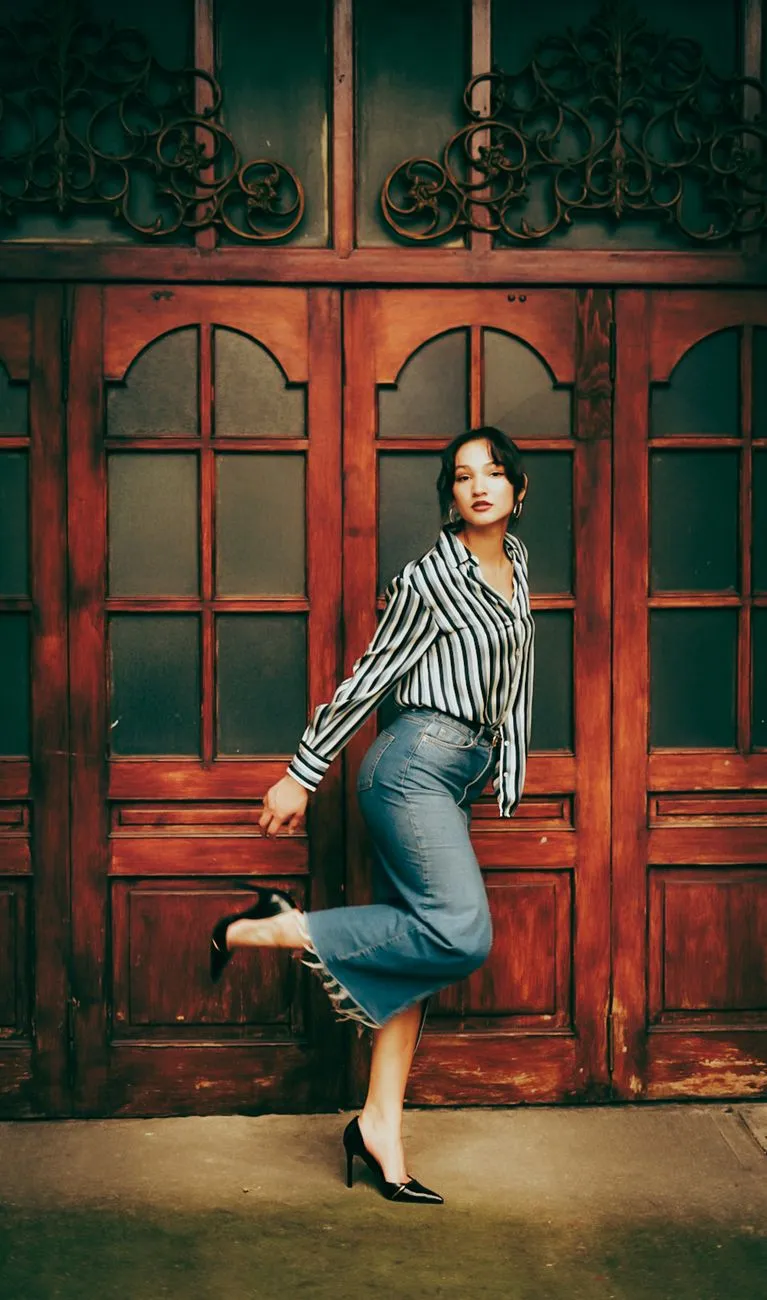
Vintage and retro often get used as if they mean the same thing. In practice, the distinction matters because it changes how you shop, how a piece fits, and how you style it. Vintage usually refers to a garment actually made in an earlier era, often around 20 years old or more. Retro refers to a new garment designed to look like it came from that era. Both are useful: true vintage gives you authentic cut, fabric and details; retro gives you modern sizing, condition and availability.
The goal of vintage retro fashion style is not to dress like a period costume. It is to borrow a silhouette, colour, print or proportion from the 60s, 70s, 80s or 90s and anchor it with modern basics. That way the outfit looks intentional, not theatrical.
Vintage vs Retro: Know the Difference
What counts as vintage
True vintage pieces were made in a previous decade. In everyday fashion, a garment usually needs to be around 20 years old or more to be called vintage. The benefit is authenticity: period-accurate cut, fabric weight, hardware, stitching and print. The trade-off is fit and condition, because sizing standards have changed and older pieces may need repairs or alterations.
What counts as retro
Retro is a modern reproduction or reinterpretation. It borrows the silhouette, collar, wash, print or proportion of an earlier decade but is made now, so sizing tends to follow current fit and the fabric is fresh. If your goal is an easy way into vintage style, start with retro, then add true vintage as accents.
Why the difference matters: a true 70s high-waist flare may be cut narrow through the hip and made from rigid denim. A modern retro flare likely has more stretch and a slightly different rise. Knowing which you are buying helps you avoid fit surprises.
The 60s–90s Signatures at a Glance
1960s: Mod, A-line, and graphic colour
The early 60s leaned ladylike with full skirts and matching jackets. The mid-to-late 60s went Mod: shift dresses, A-line mini skirts, Peter Pan collars, geometric prints, colour blocking and boxy jackets. Key pieces include sleeveless shifts, short A-line skirts, structured mini dresses, Mary Janes or low-block heels, and later knee-high go-go boots.
Modern way: wear an A-line mini with a plain crewneck tee and loafers instead of head-to-toe Mod. The shape reads 60s; the styling keeps it current.
1970s: Flare, earth tones, and soft tailoring
Signatures: high-waist flared jeans, wide-leg trousers, peasant blouses, suede, fringe, corduroy, maxi dresses and skirts, platform shoes, and wrap silhouettes. The disco side adds metallic, satin and halter necklines.
Modern way: one flared trouser with a fitted black top. You do not need fringe plus platforms plus wide lapels at the same time.
1980s: Power shoulders and bold denim
Signatures: strong shoulders in blazers, oversized tops, high-waist straight or tapered jeans, acid-wash denim, leather, mini skirts, bright colour blocking, statement belts and chunky jewellery. The 80s shape often exaggerates the upper half.
Modern way: an oversized blazer with slim modern trousers, or a high-waist acid-wash jean with a minimal knit. Keep one dramatic 80s piece and keep the rest quiet.
1990s: Minimal slip dresses and grunge layers
Signatures: slip dresses, spaghetti straps, plaid flannel, high-waist straight-leg jeans, crop tops, combat boots, band tees, minimal suiting and sporty windbreakers. The 90s merges two directions: clean minimalism and grunge.
Modern way: a slip dress under an oversized white shirt, or a plaid flannel open over a ribbed tank with straight jeans.
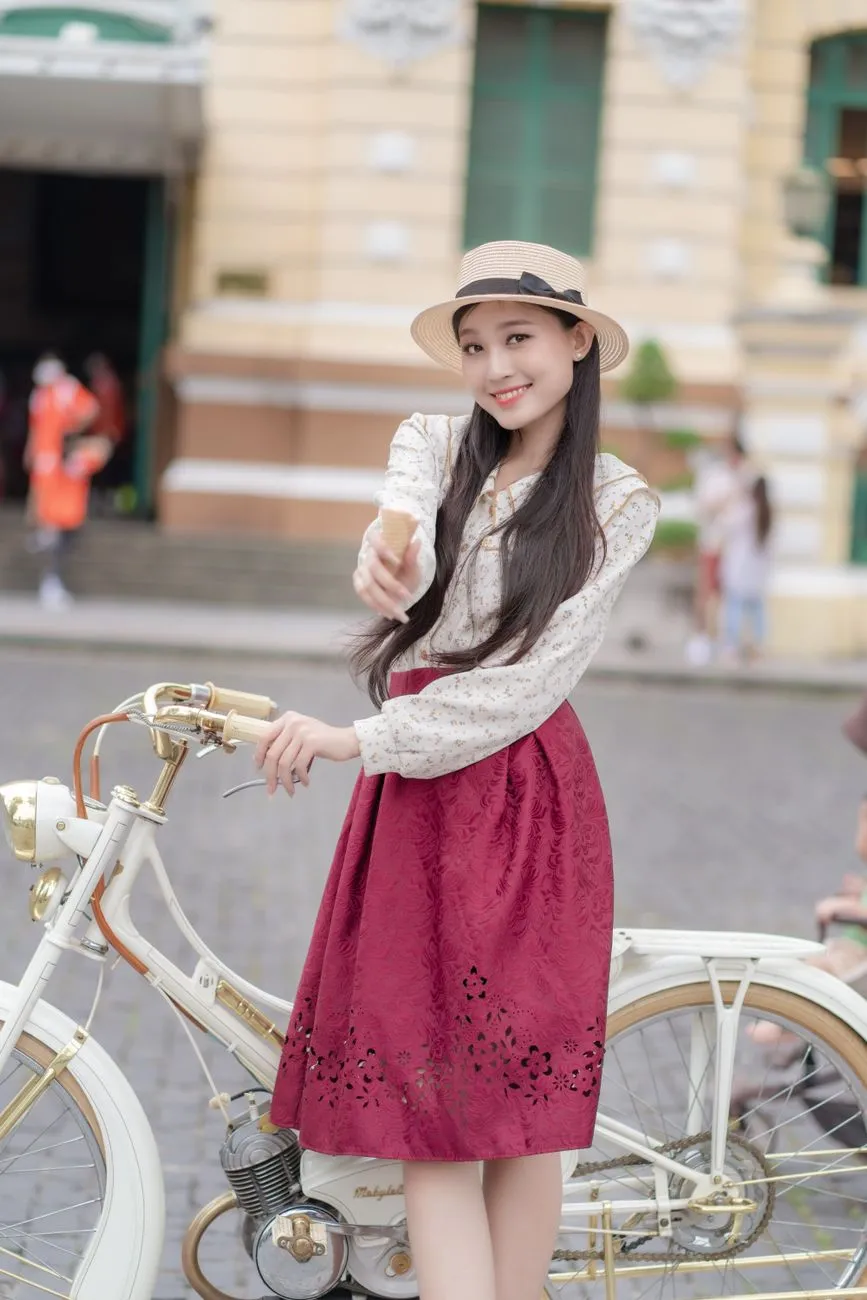 Photo: Tuấn Kiệt Jr. / Pexels
Vintage Colour Palettes Worth Repeating
Each decade has a recognisable colour mood. To modernise it, pick one or two colours and let the rest be neutral.
- 60s: black, white, cherry red, cobalt, kelly green, pale pastel pink and blue, silver.
- 70s: mustard, rust, burnt orange, olive, avocado, chocolate, cream, tan and teal.
- 80s: cobalt, fuchsia, electric purple, acid-wash blue, black, gold, with neon as a small accent.
- 90s: black, white, camel, grey, chocolate, dark green, burgundy and faded denim.
A practical example: a rust 70s blouse with cream modern trousers feels current. Rust plus mustard plus fringe plus platforms starts to look like a costume. Use the palette to guide one statement piece at a time.
How to Mix Vintage Skirts and Pieces with Modern Basics
The core principle is simple: let the vintage or retro piece be the hero, and keep everything else calm. A vintage skirt should be the most interesting part of the outfit. If the top, shoes, bag and earrings all compete, the look becomes noisy.
1960s A-line mini skirt
Formula: A-line mini + fitted knit tee or fine-gauge sweater + white leather sneakers or loafers. Avoid pairing it with a matching Mod jacket and knee-high boots unless you want a full theme. If you want the legs to be the focus, keep the top simple and the shoes low-key. For more on A-line styling, see How to Style an A-Line Skirt: Short, Midi, Long and Khaki.
1970s maxi or prairie skirt
Formula: high-waist maxi in a floral or earth tone + cropped plain tank or fitted black tee + flat sandals or chunky loafers. Tying the tee at the waist adds shape if you want it. Avoid adding fringe, platform shoes and a wide-brim hat all at once.
1980s pleated or high-waist skirt
Formula: knee-length pleated skirt + tucked-in plain tee or slim ribbed top + belt + low-profile sneakers or ankle boots. A pleated skirt reads vintage, but a plain fitted top brings it into today. For more pleated skirt combinations, see How to Style a Pleated Skirt: Midi, Mini, White with Tops & Shoes.
1990s slip skirt or bias-cut silk skirt
Formula: bias-cut slip skirt + oversized cotton shirt tied or half-tucked + flat sandals or kitten-heel mules. Because a silk or satin skirt already has sheen and movement, keep the top matte and unstructured. For day-to-night silk looks, see How to Style a Silk Skirt: 15 Outfits for Day & Night.
Vintage denim, blazers, and printed shirts
The same logic works beyond skirts. High-waist straight vintage jeans with a modern fitted white tee and loafers works for many body types. An oversized 80s blazer with slim black trousers and a minimal tank looks contemporary. A 70s printed shirt can be worn half-tucked into high-waist jeans with simple shoes. For men, a 70s camp-collar shirt with straight-leg chinos and minimal sneakers works; for women, the same shirt half-tucked into high-waist jeans is just as easy.
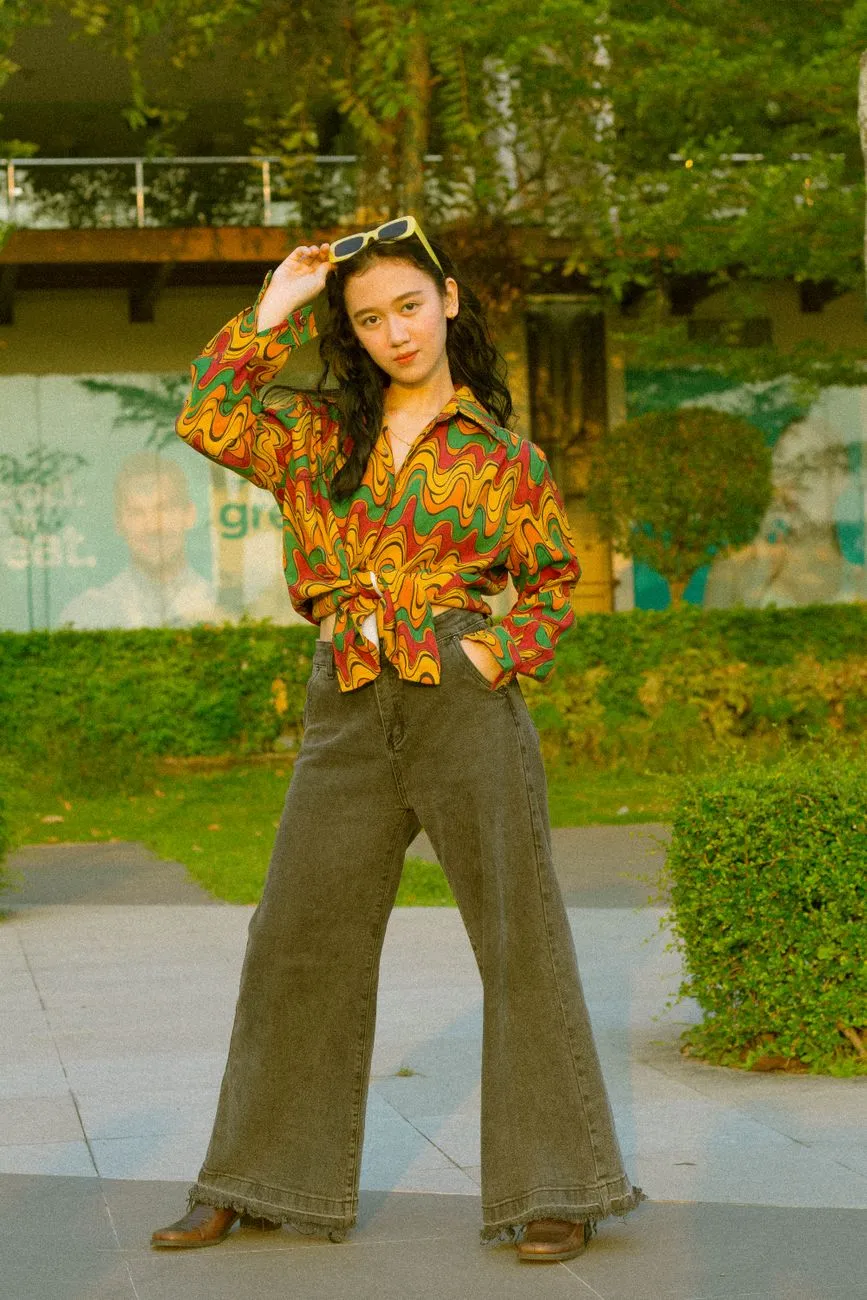 Photo: Stephen C / Pexels
Common Mistakes That Turn Vintage into Costume
The difference between vintage style and a costume is usually one piece too many. These are the most common traps:
- Head-to-toe one era. A 60s shift with go-go boots, geometric earrings and heavy eyeliner reads fancy dress. Counter it with one era signature plus modern basics.
- Too many colours or patterns. A vintage print is already loud. Pair it with solid neutral pieces so the eye has somewhere to rest.
- Ignoring shoe language. Shoes set the era more than people expect. Swap period shoes for modern loafers, minimal sneakers, slim ankle boots or block-heel sandals to instantly update the look.
- Wearing pieces that do not fit your proportions. Vintage sizing is different from modern sizing. If a high-waist skirt hits at a point that does not feel right, adjust the rise or choose another cut. If you want to define the waist, add a belt; if you want a longer line, wear the same colour on top and bottom.
- Over-accessorising. One vintage accessory is charming. Many vintage accessories at once can look like a theme party.
How to Test a Vintage Look Before Committing
It is easy to fall for a vintage-inspired skirt online and then find it looks too costumey with your existing tops. Instead of ordering blind, use a digital preview.
A tool like Macgi can help here. You need one full-body photo: upload one or take one on your phone. Then try a top, a top with trousers, or a dress. The result appears in about 15–40 seconds. The AI keeps your face, body shape, skin tone, pose and background and changes only the clothes, with no body editing. That means you can see whether a vintage silhouette actually works with your proportions before deciding.
Your photos are used only for your own try-on images, never posted, shared, used for ads or AI training. The temporary copy sent to the AI is deleted within 24 hours. It works in the phone browser, with no app. Keep in mind that try-on images are AI previews, so sizing still needs the store’s size chart.
FAQ
Can I wear true vintage if I am not a standard vintage size?
Yes. Focus on garment measurements, not the label. Vintage sizing often runs smaller than modern sizing and may have narrower shoulders or a higher waist. Choose pieces that fit the largest part of your body comfortably and take the rest in. Tailoring can make a big difference.
How do I keep vintage from looking like a costume?
Use a rough 80/20 approach: about 80% modern basics and 20% vintage or retro statement. Choose one era per outfit, keep shoes modern, and avoid matching every accessory to the decade.
What modern shoes work with vintage skirts?
Loafers, minimal sneakers, block-heel sandals, slim ankle boots and classic ballet flats all work well. Platform shoes, Mary Janes and go-go boots lean more literal. If you want one of those, keep the rest of the outfit very simple.
Are vintage silhouettes flattering for all body types?
Yes, if you choose proportions that work for your frame. A-line skirts can define the waist and skim the hips if you want that effect. High-waist wide-leg trousers can lengthen the leg. Bias-cut slip skirts follow the body. If a particular cut does not make you feel good, try the same era idea in a different silhouette.
Is retro the same as low-quality fast fashion?
No. Retro simply means a current piece based on an old design. Quality depends on the maker and the fabric, not the label. Check seams, lining and material just as you would with any other modern garment.