Macgi
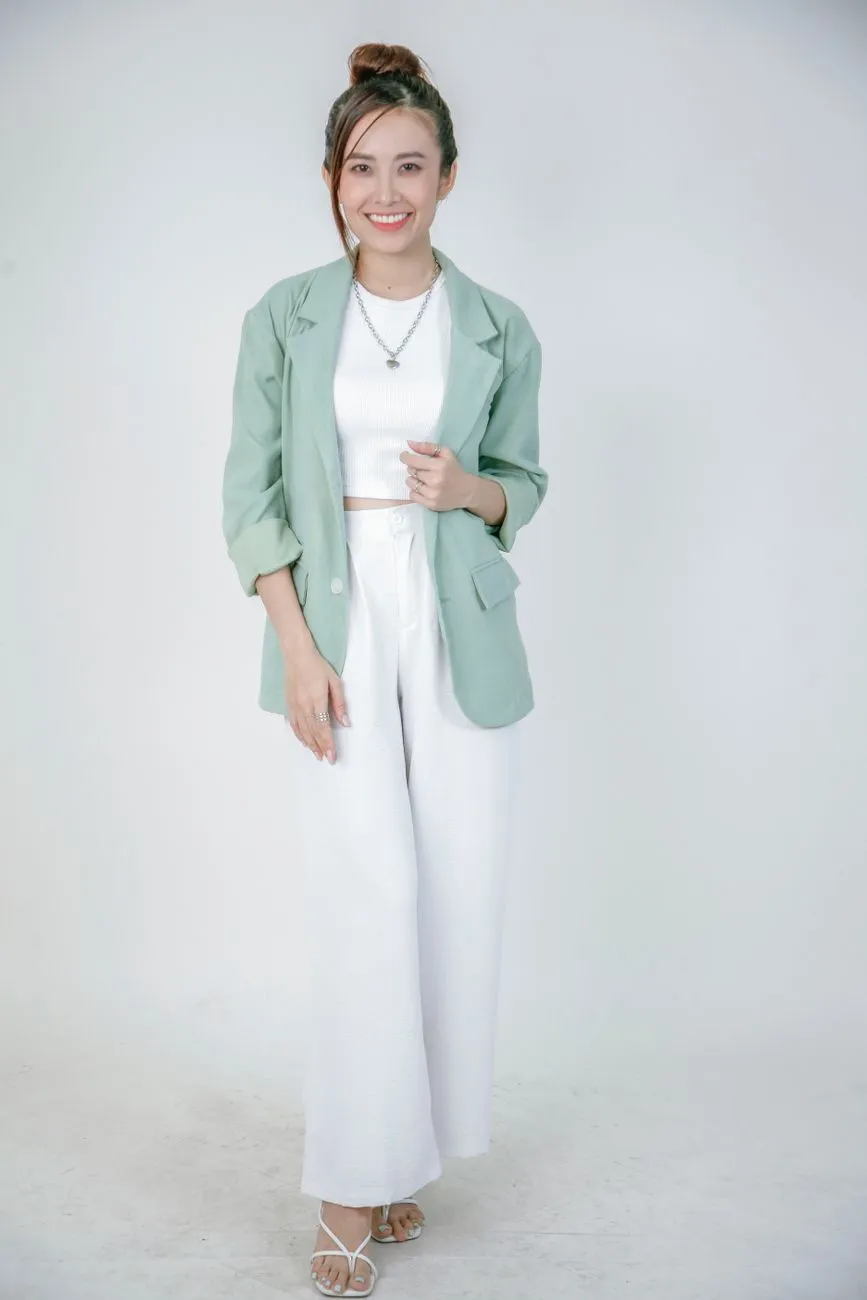
Fashion 2026 is not about throwing out everything you own. The strongest looks coming into focus are wearable, lived-in, and built on silhouette rather than gimmicks: a well-cut trouser, a sculptural neckline, a soft wrap, and colour that behaves almost like a neutral. In this guide I have grouped the trends into two lists—five silhouette ideas and five colour ideas—so you can use them as a checklist for what to try next.
The 2026 mood: fluid, soft, and personal
The common thread across 2026’s most useful trends is ease. Clothes are moving away from rigid tailoring and towards fabrics that drape, shapes that skim the body, and colours that feel like an extension of your everyday wardrobe. That does not mean oversized or shapeless. The pieces that feel most current have a clear line, but they move with you.
Three principles help make the trends work in real life:
- One interesting piece per outfit. If your trousers are wide and fluid, keep the top relatively clean. If your neckline is sculptural, let the rest be simple.
- Colour as seasoning, not paint. A butter-yellow knit, an oxblood bag, or a silver shoe can update an outfit without replacing your basics.
- Fit comes from proportion, not tightness. A tucked front, a longer coat, or a waist-defining wrap can change your silhouette more than sizing down ever will.
10 Wearable Looks: Silhouette Ideas
1. The fluid trouser and sculpted top
The most useful 2026 trouser is high-rise, wide through the leg, and cut from a fabric with drape: wool-blend, viscose, Tencel, heavy crepe, or a soft pleated cotton. It should fall to the top of your shoe or just below the ankle, not bunch heavily at the hem.
Wear it with a top that has structure at the shoulder or neckline: a fitted ribbed knit, a fine-gauge sweater, a wrap top, or a shirt with a subtle puff sleeve. Tuck the front or wear a cropped top to keep the waist visible.
Shoes: pointed flats, slim loafers, or a low heel. A sleek sneaker can work if the sole is not too heavy.
For men: pleated wide-leg trousers with a tucked long-sleeve polo or fine-knit sweater, finished with loafers or derbies.
What to avoid: an oversized top with an oversized bottom can feel heavy. If you want volume on top, keep the trousers straight rather than super wide.
2. The long-over-long column
A long coat, duster, or long cardigan over a long skirt, dress, or wide trouser in the same colour family creates a clean vertical line. This is one of the easiest 2026 looks because it works with pieces you may already own.
The key is tonal consistency. A sand coat over cream trousers, a grey duster over a slate dress, or a brown topcoat over chocolate trousers will read as intentional. Keep the coat unbuttoned so the eye travels downward.
For petite frames: choose one tone from top to bottom, avoid bulky knits underneath, and pick a coat that hits mid-calf or lower rather than ending at the hip. If you want more height cues, a pointed toe in the same colour as your bottom helps.
For men: a long wool-blend topcoat over a sweater and loose trousers in the same neutral family.
What to avoid: a short jacket that cuts at the hip can break the line. If you are not ready for a long coat, try a long cardigan first.
3. The soft waist
Waist definition returns in a gentler way for 2026. Think draped wrap tops, tie-front shirts, softly belted blazers, and dresses with a side tie or gentle ruching—not stiff corsetry or tight belts.
This is a useful trend for many body types. A soft wrap can highlight an hourglass shape without squeezing. On a rectangle shape, it suggests a waistline without adding bulk. On an apple shape, a tie placed just below the bust can create a flattering line.
How to wear it: tie a thin knit over a slip skirt, add a fabric belt to a long blazer, or choose a wrap blouse with a high-waisted trouser. Keep the lower half clean so the waist stays the focus.
What to avoid: a wide, hard belt over a stiff shirt or dress can look more 2010 than 2026. Soft fabric ties and narrow belts feel more current.
4. The polished utility set
Cargo pockets and workwear details are being cleaned up for 2026. The new utility look is less about oversized multi-pocket pants and more about structured shirt jackets, neat parachute pants, and pocket details on tailored trousers.
Stick to one utility piece per outfit. A crisp utility shirt over a white tee and dark straight trousers works for weekends. A pair of olive or stone parachute trousers with a fine knit and loafers looks polished enough for casual Fridays.
For men: a shirt jacket in cotton twill over a fine-gauge sweater and chinos or dark denim.
What to avoid: combining cargo pants with a utility jacket, a utility shirt, and heavy boots can turn into a costume. Keep the rest of the outfit minimal.
5. The sculptural neckline
Dramatic necklines—boat necks, square necks, asymmetrical cuts, and soft cowls—are a wearable way to add interest without a print. Because the detail sits near your face, it draws the eye upward.
A sculpted neckline works especially well with simple trousers or a column skirt. Choose a top in a solid colour so the shape does the talking.
How to wear it: pair a square-neck top with wide-leg trousers, or a cowl-neck knit with a slim midi skirt. Keep jewellery minimal; the neckline is the focal point.
What to avoid: a very structured shoulder detail plus a busy print plus layered necklaces can compete. Let one element win.
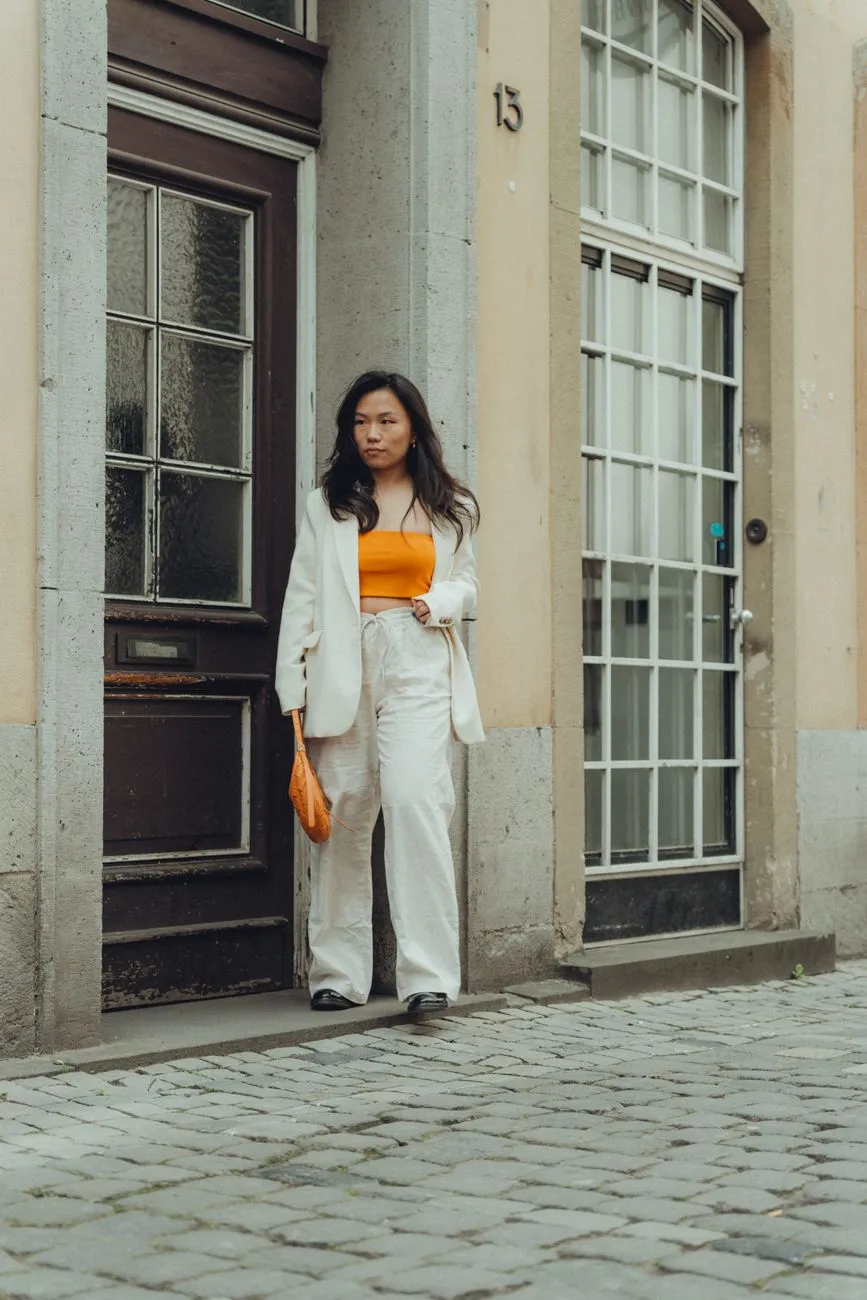 Photo: Anh Nguyen / Pexels
10 Wearable Looks: Colour Ideas
6. Butter yellow as your new neutral
Butter yellow is one of the easiest 2026 colours to wear because it behaves like a soft neutral. It pairs well with grey, chocolate, ecru, cream, and light denim. It also works as a brightening layer under a navy or camel coat.
If you are unsure about yellow near your face, start with a butter-yellow top under a grey knit, or a butter-yellow cardigan over a white tee. The colour is softer than lemon and less likely to wash you out.
For men: a butter-yellow polo under a navy overshirt, or a pale yellow knit over stone chinos.
What to avoid: pairing butter yellow with neon or very bright citrus shades. It tends to look best with muted or warm neutrals.
7. Cherry red to oxblood accents
The strongest red family for 2026 runs from clear cherry red to deep oxblood and burgundy. The easiest way to wear it is as an accent: a shoe, bag, belt, or one top. It wakes up grey, ecru, navy, denim, and all shades of brown.
If you like more colour, try an oxblood knit with chocolate trousers, or a cherry red top with washed denim. Head-to-toe red can work if you keep the fabric matte and the silhouette simple, but accenting is the lower-risk entry point.
What to avoid: bright red with bright red in different undertones can clash. If you are mixing reds, keep them in the same depth, such as all oxblood or all cherry.
8. Sea-glass green and blue
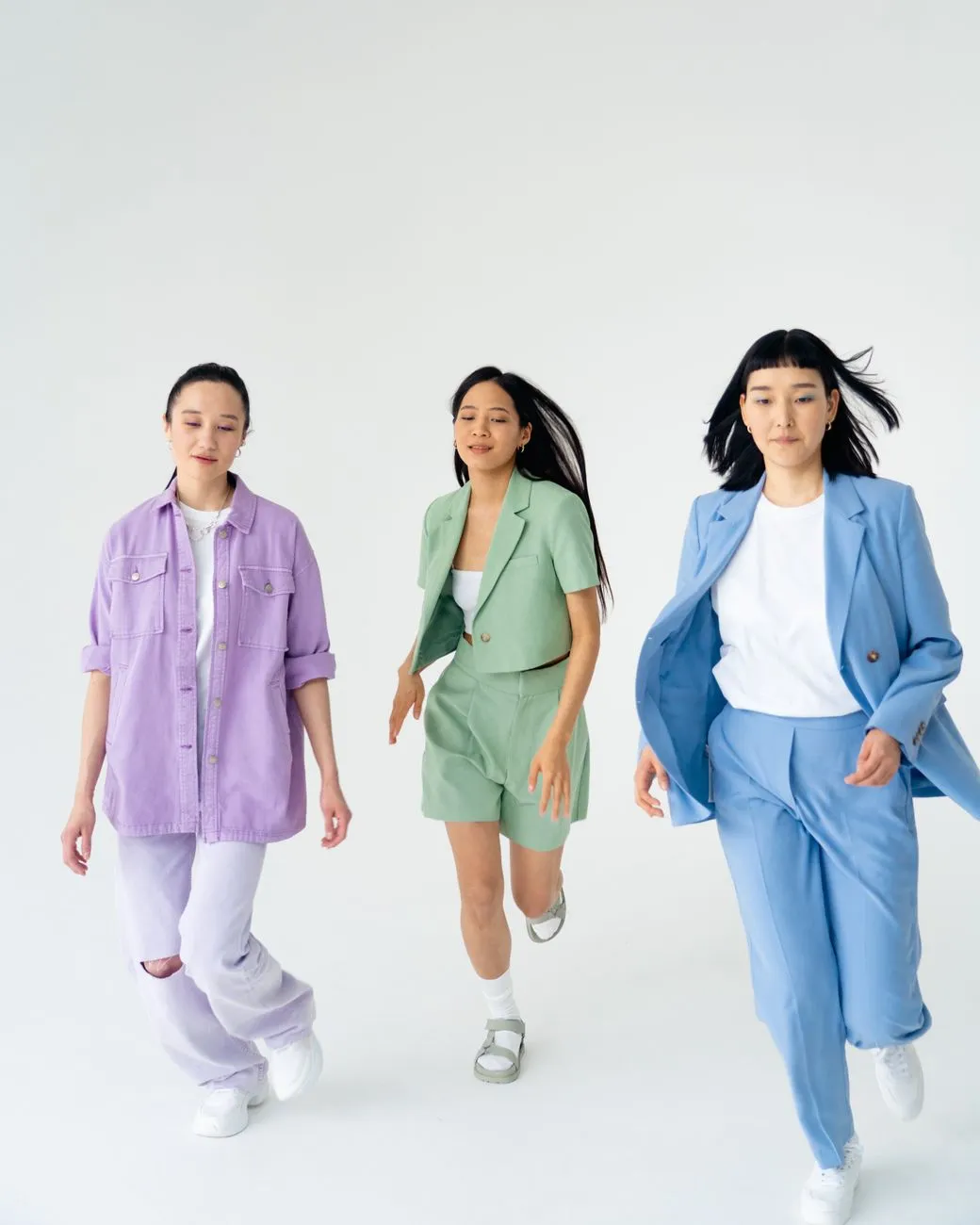
Soft blue-greens—think sea glass, sage, mineral green, and dusty aqua—are a calm alternative to last season’s louder brights. They sit well next to stone, cream, oat, and brown, and they work as an easy tonal story.
Try a sea-glass shirt with ecru trousers, a sage knit over a white slip skirt, or a dusty aqua tee under a grey blazer. These shades also translate well into menswear: a sage overshirt over a white tee and stone chinos feels current without trying too hard.
What to avoid: mixing several competing pastels in one outfit. If you are new to the shade, keep the rest of the outfit neutral.
9. Chocolate brown monochrome
Brown is no longer just an accent. For 2026, head-to-toe chocolate, coffee, and mocha tones read as polished and modern. The trick is to vary the depths and textures: a chocolate knit with darker brown trousers, a tan top under a brown suit, or a brown leather-look jacket over a fine brown knit.
If you worry brown can drain your complexion, keep the top one or two shades lighter than the bottom, or add a cream scarf or collar near your face.
What to avoid: very shiny brown pieces worn head to toe can look costumey. Matte and softly textured fabrics are easier to wear.
10. Silver and pewter for daytime
Metallics are moving out of evening-only territory. For 2026, the most wearable version is soft silver, pewter, or gunmetal in relaxed fabrics: a liquid satin skirt, a pewter bomber, a silver sneaker, or a subtle metallic knit.
Pair a silver skirt with a white tee and a black knit. Wear pewter trousers with a grey marl sweatshirt. Add a metallic shoe to an otherwise all-denim outfit. The key is to keep everything else matte and simple.
If cool silver tends to wash you out, look for pewter or a warmer metallic with a hint of gold or bronze.
What to avoid: full sequins or anything too shiny from collar to hem. The goal is daywear shine, not partywear.
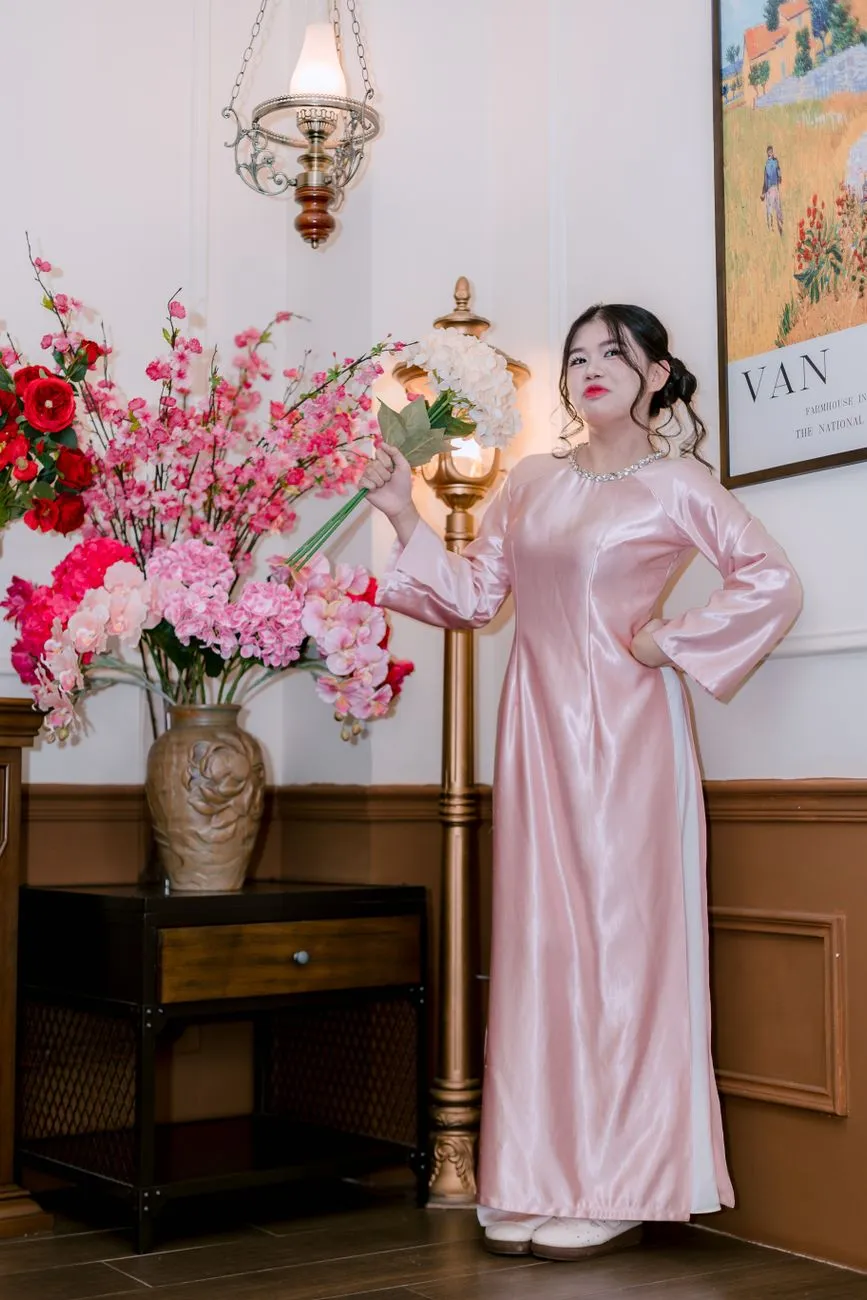 Photo: 🇻🇳🇻🇳Nguyễn Tiến Thịnh 🇻🇳🇻🇳 / Pexels
How to adapt the trends to your body and skin tone
The best trend is the one that makes you feel like yourself. Instead of forcing a look, adjust it.
- If you want to balance wider hips: use the sculpted top, soft waist, or sculptural neckline to draw the eye upward, and keep trousers and skirts in cleaner, darker or mid-tone shades. The fluid trouser still works if the top has some shape.
- If you want to add curves: try the soft waist and wrap details. A fabric tie, side ruching, or a gently tucked top can suggest a waistline without adding bulk. See How to Dress for Your Body Type for a full measuring and styling guide.
- If you are petite: the long-over-long look works best in one colour. Avoid oversized shoulders and heavy layering; keep the vertical line long and the fit slightly closer.
- If you are tall: long coats and wide trousers often look effortless, but avoid volume everywhere. One fluid piece at a time keeps the outfit from overwhelming your frame.
On colour: rather than rejecting a trend shade because it feels tricky, change the shade. Butter yellow can lean more lemony for cool undertones or more golden for warm undertones. Red can shift from blue-based cherry to orange-based brick. Green can move from mint to sage. If you are unsure, color matching clothes to skin tone explains how to test undertones and build a palette.
Try a trend before you commit
The fastest way to know if a 2026 silhouette or colour actually suits you is to preview it on your own body. Macgi works in your phone browser, with no app. You can upload or take one full-body photo, try a top, a top with trousers, or a dress, and see the result in about 15–40 seconds. The AI keeps your face, body shape, skin tone, pose, and background, changing only the clothes—no body editing.
That is especially useful for checking whether butter yellow brightens your complexion, whether a fluid trouser changes your line, or whether a long-over-long column works on your height. Your photos are used only for your own try-on images, never posted, shared, used for ads, or used for AI training, and the temporary copy sent to the AI is deleted within 24 hours. For better results, follow the advice in How to Take a Full-Body Photo for AI Try-On.
One note: try-on images are AI previews, not a promise of fit. Sizing still needs the store’s size chart.
FAQ
Which 2026 trend is easiest to wear every day?
The fluid trouser and sculpted top is the most wearable. Most people already own trousers or jeans with some fullness, and switching to a ribbed or wrap top instantly updates the silhouette. It works for work, errands, and casual dinners with a change of shoes.
Are these trends only for women?
No. Several translate directly to menswear: fluid pleated trousers, long coat over tonal layers, polished utility shirt jackets, butter-yellow knits, sage overshirts, and brown monochrome. The styling principle is the same—one interesting piece per outfit and a clean lower half.
What if a colour trend doesn’t suit my skin tone?
Try a different version of the same colour. Most shades have warmer and cooler variants. Butter yellow can lean lemon or golden, red can lean blue or orange, and green can lean mint or sage. Test the colour near your face before committing to a full piece; a top or scarf is a low-risk way to see if it works.
How do I try a 2026 look without buying a whole new wardrobe?
Start with one piece or one styling trick. Tie a thin knit over a slip skirt, add a silver shoe to an all-denim outfit, or wear a brown coat over tonal trousers. You can also use Macgi to preview combinations on your own photo before buying anything, which helps you avoid returns.
Do I need to be tall to wear the long-over-long look?
No. Keep the outfit in one tonal family, leave the outer layer open, and avoid bulky knits. For petite frames, a long cardigan or unlined coat often works better than a very heavy or oversized layer. A pointed toe in the same colour as the bottom also helps the line feel longer.