Macgi

Why “how much?” has no single answer
If you ask three clothing store owners what it cost to start, you may hear three wildly different numbers. One person starts from a spare bedroom with 20 pieces and a free Instagram page. Another signs a retail lease, buys 300 units, hires a photographer and runs paid ads from day one. Both are real clothing businesses, but their start-up costs are not comparable.
The honest answer is: the cost to start a clothing business depends on four things. First, do you sell online, offline, or both? Second, do you buy finished wholesale stock, make clothes yourself, or use print-on-demand or a local sewing workshop? Third, how much product depth and photography quality do you need to sell? Fourth, how many orders do you expect in the first three months, and how will customers find you?
Because prices for rent, shipping, packaging, fabric, wholesale lots, platform fees and ads change constantly, this guide does not pretend to give one “correct” amount in dollars or đồng. Instead, it gives you the cost categories, the order to plan them, and a clearly labelled made-up example budget so you can replace the numbers with your own real quotes.
The cost categories that decide your start-up budget
Before you spend anything, break your plan into six categories. Almost every clothing business touches all of them, even if the amounts differ.
1. Stock and samples
Stock is usually the largest start-up cost for a product-based shop. If you buy wholesale clothing, you pay per piece and often have minimum quantities per style, size or colour. If you produce your own line, you pay for fabric, cutting, sewing, labels, and often a sample or two before production.
A lean way to start is to buy fewer styles but enough sizes per style to make the product page look credible. For example, if a dress comes in S, M, L and you only have one size in stock, shoppers will notice. Having at least two or three sizes per style is more useful than having 20 styles with one size each.
For detailed sourcing options, see Where to buy wholesale clothing to resell in a small shop.
2. Product photography
Clothing sells on visual trust. Buyers cannot feel the fabric, so photos must show fit, drape, colour, detail and scale. You can reduce this cost by using the shop’s existing product photos where possible, but you still need original photos for each style.
Common photography costs include:
- A model or mannequin.
- A camera or a recent phone with good light.
- A backdrop, hangers, pins, tape and a steamer.
- Editing time or software to clean up backgrounds.
- Flat lay or ghost mannequin shots for product pages.
If you are small, start with consistent phone photos near a window, plus one well-lit full-body shot per item. Avoid editing the garment so much that the real colour or seam changes. The image must match what the shopper receives.
For a full shooting checklist, read How to photograph clothes to sell online: full checklist.
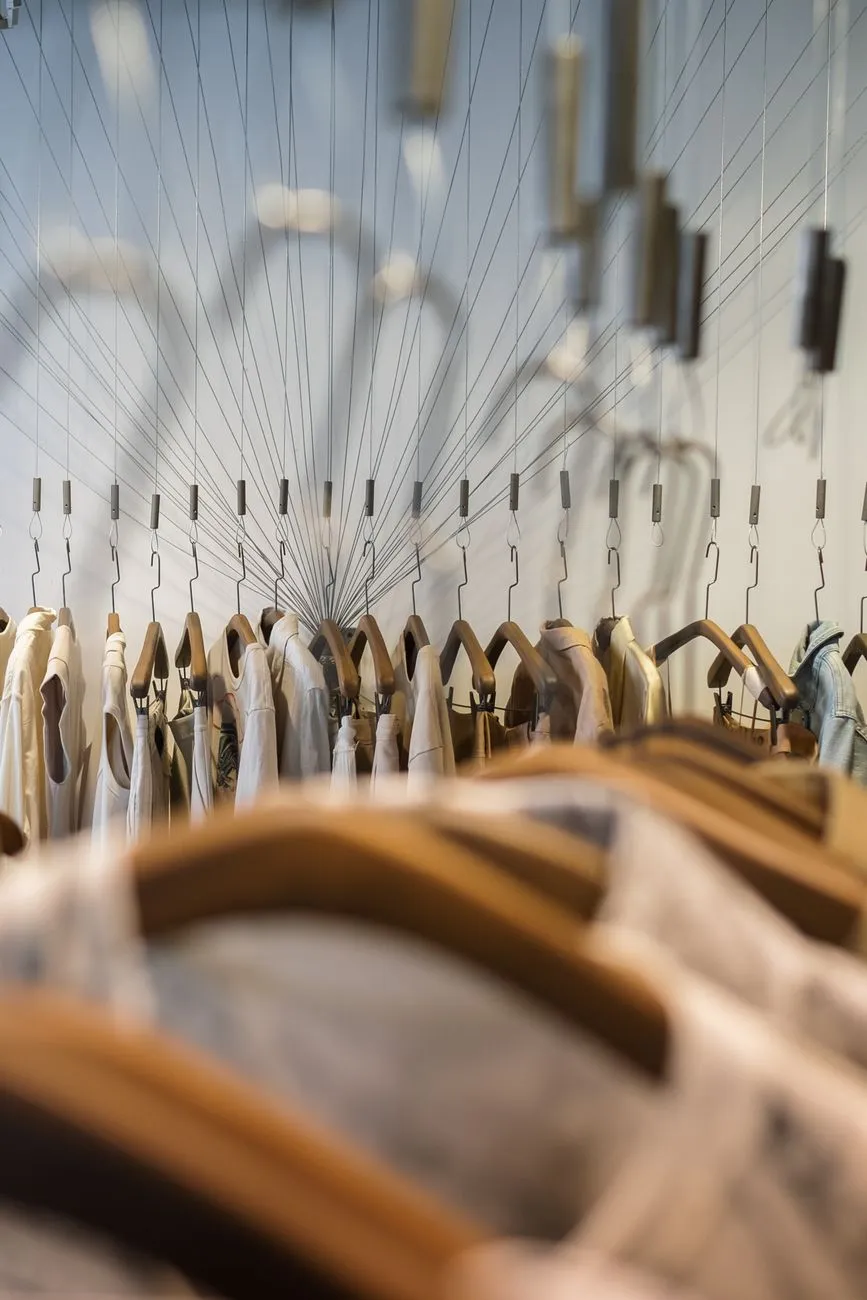 Photo: Ron Lach / Pexels
3. Website or platform fees
Online selling costs money even before you make a sale. The main options are:
- A hosted platform like Shopify or a Vietnamese platform like Haravan or Sapo, where you pay a monthly subscription and possibly a transaction fee.
- A self-hosted WooCommerce store on WordPress, where the software is free but you pay for hosting, a domain, an SSL certificate and sometimes a paid theme or plugins.
- Selling only through social channels such as Facebook, TikTok or Zalo, where you may pay only for ads and payment processing, but you have less control over your catalog and checkout.
Expect to pay a small amount every month just to keep the store online. Domain names and business email are usually separate annual costs.
4. Packaging
Packaging includes the garment bag, shipping bag or box, tape, thank-you card, return slip and any tissue paper or branded sticker. These costs add up per order, so a “cheap” order can still cost a few thousand đồng or a couple of dollars in packaging.
Start simple: one plain poly mailer, one clear garment bag, and a printed packing slip. You can upgrade to branded packaging later when order volume is stable.
5. Advertising
The old idea that you can start an online shop for free only works if you already have an audience. Most new shops need paid traffic or a lot of time on organic content. Advertising costs include:
- Product listing ads or search ads.
- Social media ads on Facebook, Instagram or TikTok.
- Influencer seeding or gifting.
- Promotions, discounts and abandoned-cart emails.
Set a small test budget for the first month and measure cost per click and cost per order, not just impressions. If you sell on a marketplace, check the platform’s current fee schedule because commission rates change.
6. Delivery and returns
Delivery is a per-order cost, but it affects your pricing and cash flow. You may use a courier, a fulfilment service, or local delivery. If you allow cash on delivery, you may pay an extra fee for the collection service, and you may face fake or refused orders.
Returns are not just a refund: you pay return shipping in many cases, and you may need to steam, repackage and inspect the item. Plan a return rate into your margin. For example, if a shop has 200 orders and 30 are returned, the return rate is 15%. That means 15% of orders produce extra handling, not extra revenue.
What online store costs look like in practice
When you compare Shopify, WooCommerce, Haravan and Sapo, the real cost difference is usually not the subscription alone. Look at the total monthly cost:
- Shopify: monthly plan, transaction fee if you do not use Shopify Payments, paid apps for things like size charts or reviews, and a paid theme if you want a specific look.
- WooCommerce: hosting, domain, SSL, backup plan, and any paid plugins for shipping, payment gateways or product options. The software itself is free, but the stack is not.
- Haravan and Sapo: Vietnamese platforms often bundle hosting and store features into a monthly plan. They are convenient for shops that sell mainly in Vietnam and want local payment and shipping integrations, but check their current plan limits and transaction fees.
In all cases, add the payment gateway fee. For Vietnamese shops, that might mean a local bank transfer gateway, a payment app, or cash on delivery. International stores often use Stripe, PayPal or a local card processor. Rates and settlement times differ, so ask for the current published fee before you commit.
Also budget for a few paid tools only after you need them. A size chart page, abandoned cart emails, or a return request form can save time, but if you install ten paid apps in your first month, you may spend more on software than on stock.
If you are still choosing a platform, this comparison of Best ecommerce platform for clothing store: 4 options compared can help you think through the trade-offs.
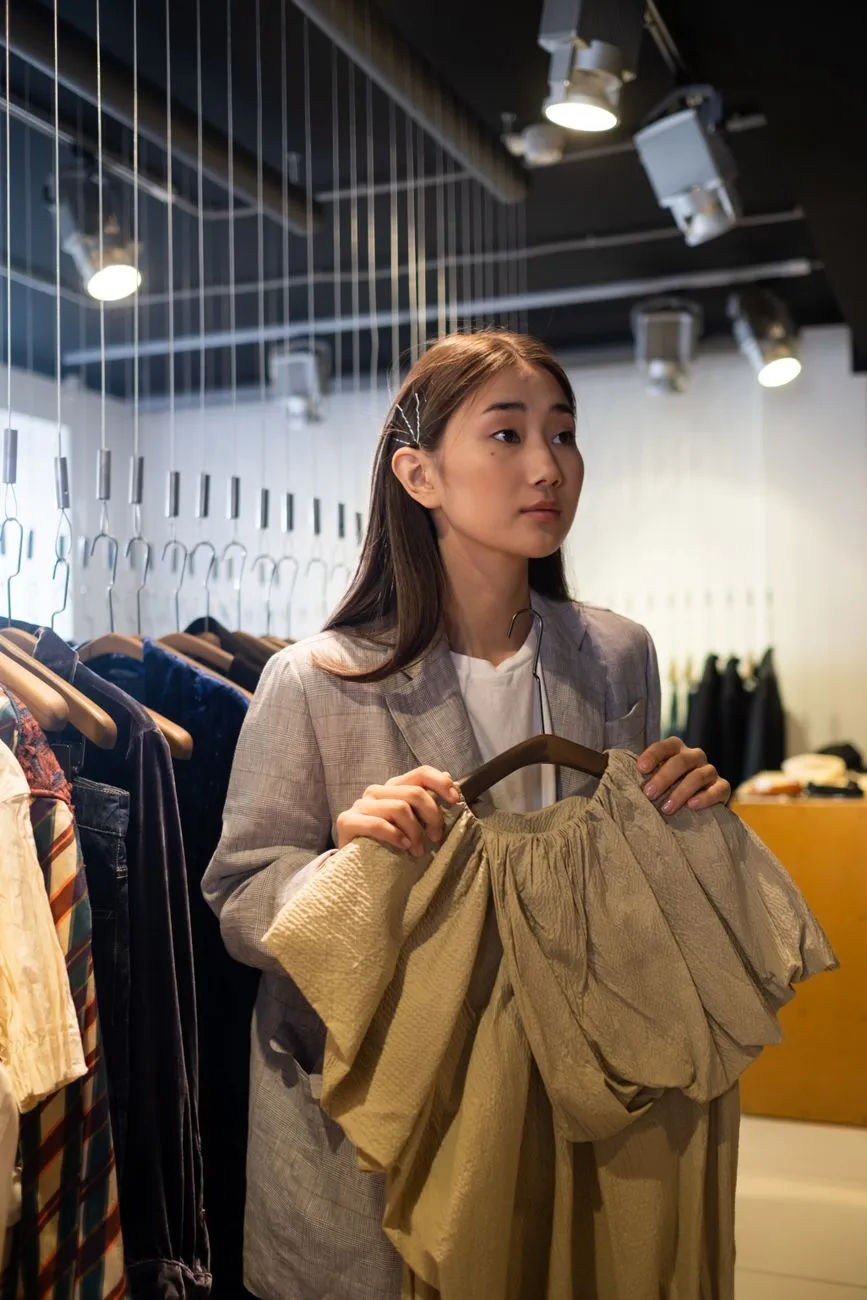 Photo: Ron Lach / Pexels
Offline costs if you plan a physical shop
A physical boutique has a different risk profile. The fixed costs come before the first sale:
- A rental deposit, often one to three months of rent depending on the landlord and local practice.
- Interior setup: racks, shelves, mirror, fitting room, counter, lighting and signage.
- Point-of-sale system or a second-hand tablet with a payment method.
- Utilities, insurance and possibly a business licence or registration fee.
- Staff wages if you cannot run the shop alone.
If you start online first, you can test which styles sell before committing to a lease. Many profitable small fashion shops operate with a stockroom at home and use a physical space only for pop-ups or weekend markets.
How to plan a lean start
A lean clothing business does not mean skipping essentials. It means paying for the things that generate the first sale and delaying the rest.
Start with a real offer, not a perfect brand
Pick one product category, one customer, and one clear style. For example: “office dresses for women who walk a lot” is more focused than “women’s clothing.” Buy or produce a small range in that category, and write product descriptions that answer fit questions.
Photograph what you have
Use the shop’s current pieces, not an imaginary catalog. Shoot every size you have, not just the sample. Put a full-body shot on the product page, because that is the image shoppers zoom into.
Test demand before scaling
List your first 10–20 products, run a small ad campaign or send a launch message to your existing contacts, and watch what happens. If one style gets many size questions or repeated views, that is a signal to order more of that style, not to buy more random stock.
Keep a “do not buy yet” list
Write down the things you want but do not need in month one: branded boxes, custom labels, a professional logo animation, a paid theme with many animations, a photoshoot with a studio, a pop-up store. Put them in a list with a trigger. For example: “Order branded poly mailers after 100 orders.”
Protect cash flow
Stock is not cash. If you spend all your money on inventory, you may not have enough for ads, packaging or a surprise return. Keep a buffer for at least one round of restocking and one month of fixed costs.
A made-up example budget: small online boutique
This is not a real quote and should not be copied as a target. It is a worked example so you can see how the categories interact. Replace each line with your own currency and a current quote from your supplier, platform and courier.
Let’s imagine a small online boutique starting with 12 styles, 3 sizes per style, 2 pieces per size, for a total of 72 pieces. The owner sells on Shopify and uses local delivery. I’ll use US dollars here, but the same structure works in đồng, euros, pounds or any other currency.
| Category | Example assumption | Example amount |
|---|---|---|
| Stock | 72 pieces at $12 average cost | $864 |
| Samples or one-off test pieces | 3 samples at $15 | $45 |
| Photography | Phone, backdrop, steamer, hangers | $80 |
| Website | Shopify monthly plan + domain + email | $39 |
| Packaging | Poly mailers, garment bags, stickers | $50 |
| Advertising | First month test budget | $150 |
| Delivery buffer | Couriers, return handling | $100 |
| Total | $1,328 |
If the shop also needs a rental deposit, a business registration fee or a sewing workshop deposit, add that separately. The point of the example is not the total; it is that stock is only one line among several. A shop that spends $864 on stock but has no photography or ad budget may have beautiful clothes nobody sees.
A small step that can reduce the “does it fit?” risk
One hidden start-up cost is the cost of wrong-size purchases and the returns they create. When a shopper cannot judge how a dress or shirt will look on their own body, they may buy two sizes, return one, or avoid buying at all. Adding a virtual try-on button next to “Add to cart” on your product pages lets shoppers see themselves wearing your existing product photos before they pay. That can help a lean shop sell with more confidence without paying for a studio model shoot for every item.
If you are building or improving a clothing store, you can try Macgi’s AI virtual try-on widget in the free beta. It installs with one script tag and a button attribute, works on Shopify, WooCommerce, Haravan, Sapo or a custom site, and uses your current product photos. You can test it with your own catalog before you commit. Try Macgi’s free beta here.
FAQ
How much money do I really need to start a clothing business?
There is no universal number. A very small online reselling business can start with a few million đồng or a few hundred dollars if you already have a phone, a place to store stock and a social media audience. A full boutique with a lease, more stock and paid ads needs much more. Plan by category, not by a single figure.
What is the cheapest way to start a clothing shop?
Start online, use a platform you already know, buy a small amount of wholesale stock, photograph it consistently with a phone, and sell to your existing contacts before spending heavily on ads. Avoid a physical lease until you have repeat demand.
Should I buy stock first or build a website first?
Build the offer and the product list first, but do not buy a large amount of stock until you know where you will sell. In practice, you need both: a live product page with real photos and at least enough size depth to fulfil the first orders. For many small shops, the sequence is: choose a niche, source samples, photograph them, launch the site, then order more of what sells.
Are Haravan or Sapo cheaper than Shopify or WooCommerce?
It depends on the plan, payment fees, apps and your sales volume. Haravan and Sapo often bundle local Vietnamese payment and shipping features, which can save time. Shopify and WooCommerce give you more international flexibility but may require more setup or paid plugins. Check the current published fees from each provider before comparing.
How do I calculate my clothing business budget if I sell both online and offline?
Separate fixed one-time costs from monthly costs. Fixed costs include deposits, fixtures, first stock and photography setup. Monthly costs include rent, platform fees, packaging, ads, delivery and staff. Then add a per-order variable cost for packaging, payment and delivery. Build a simple spreadsheet with these three layers.
Do I need to register a business before I start selling clothes?
Registration rules depend on your country and local tax authority. In Vietnam, you may need to check the current rules for business households or companies, and tax obligations can change. For any country, consult the current official government source or a local accountant before you register or start trading under a business name.
Should I spend money on a virtual try-on tool at the start?
It depends on your product mix and your return pattern. If you sell fitted clothing like dresses, skirts or tops, and shoppers often ask “how will this look on me?”, a virtual try-on tool may reduce the uncertainty that stops a purchase. You can test a free beta, like Macgi’s, before deciding whether to include it in your long-term tool budget.