Macgi

Returns are one of the most expensive parts of selling fashion on TikTok Shop. A shopper buys quickly after a short video, the item arrives, and the fit is wrong, the fabric feels different, or the color does not match the clip. This guide explains how TikTok Shop returns and refunds generally work for sellers, how to reduce avoidable returns through better listings and size information, and how to handle disputes with evidence.
This is not legal advice. Return windows, accepted reasons, who pays for return shipping, and appeal steps change by country, local consumer law, and TikTok Shop seller terms. Always confirm the current official TikTok Shop seller policy for your account and market before taking action.
How TikTok Shop returns generally work for sellers
TikTok Shop has a structured returns and refunds flow inside Seller Center. In most markets, a buyer can open a return or refund request for reasons such as “item not as described,” “damaged item,” “wrong item sent,” “missing item,” or sometimes a buyer change-of-mind reason where local policy allows it.
The typical flow looks like this:
- The buyer submits a return or refund request in the TikTok Shop app.
- The seller sees the request in Seller Center and is given a deadline to respond.
- The seller can accept the return, offer a partial solution, or refuse and submit evidence.
- If the return is approved, the buyer sends the item back using the platform-approved or seller-provided method.
- The seller inspects the returned item.
- The refund is released after the item is accepted, or after the platform’s review period.
Responsibility for return shipping usually depends on the reason. In many markets, seller-fault cases such as damaged, defective, wrong item, or not-as-described mean the seller covers return shipping and the refund. Buyer-fault cases, such as ordering the wrong size or changing their mind, may put the return cost on the buyer or may not be returnable at all. Do not assume one rule applies everywhere. Check your TikTok Shop Seller Center and the official policy for your region.
A practical habit: review the return reasons in your order dashboard weekly. If “not as described” appears often on the same product, that is not just a dispute problem; it is a listing problem.
Why fashion orders get returned
Fashion returns usually fall into a few repeatable groups:
- Size and fit: too small, too big, too short, too tight in the chest or waist.
- Color mismatch: the item looks brighter, darker, or warmer on screen than in person.
- Fabric and quality: the material feels thinner, rougher, or cheaper than expected.
- Style mismatch: the garment does not look the same on the buyer as on the model.
- Damage in transit: seams pulled, buttons broken, or fabric soiled because of poor packaging.
- Buyer impulse: the ordering was quick, and the buyer changes their mind after arrival.
On TikTok Shop, the gap between a video and the real product can make these issues worse. If a video uses strong lighting or a filter, the buyer may expect a different color or fabric. The listing then has to work harder to reset expectations before purchase.
 Photo: cottonbro studio / Pexels
Make product listings match what the buyer receives
The most effective return reduction starts before the order is placed. A listing that tells the truth reduces “not as described” disputes and improves buyer confidence.
Use product photos that show the real garment
Every fashion listing should include enough views for a shopper to understand the item without touching it. Useful shots include:
- Front, back, and side views on a real body or mannequin.
- Close-ups of the fabric, stitching, buttons, zipper, hem, and lining.
- A flat lay or ghost mannequin shot that shows the true shape.
- At least one photo in soft, natural light without heavy color filters.
- A video of the garment moving on a person, not just a heavily edited clip.
Avoid using only a single styled photo from the supplier. That is one of the fastest ways to create a return: the buyer receives a garment that looks different from the only image they saw.
For a fuller listing checklist, see Product page best practices for fashion: a checklist.
Describe the fabric and construction honestly
Weak descriptions say “high quality” or “soft fabric.” Strong descriptions tell the buyer what they will actually receive.
Good example: “95% cotton, 5% elastane. Medium stretch. Unlined. Slightly sheer in white. Zip closure at the back. Model wears size S.”
Bad example: “Amazing quality dress, very comfortable.”
If the fabric is thin, say it is thin. If the item has no pockets, say it has no pockets. Shoppers do not return honest listings because they were surprised; they return listings that overpromised.
Treat color as a known risk
Color is one of the most common fashion return triggers because screens vary. You can reduce this by:
- Naming colors with real-world comparisons: “chocolate brown,” not “brown 02.”
- Photographing each color separately instead of listing multiple colors from one product image.
- Noting undertones: “warm beige, slightly darker than the model photo.”
- Adding a short sentence when a color may vary: “Color may look slightly different depending on your screen and lighting.”
Do not overcorrect the photo. A more saturated image may get more clicks, but it can also create a return the shopper feels is your fault.
Give shoppers better size and fit information
Fit is one of the most common reasons clothing shoppers give for returning an item. On TikTok Shop, where shoppers may not know your brand’s sizing, you need to give them a reliable way to choose a size in seconds.
Add real measurements, not just “S, M, L”
A size label tells the buyer almost nothing. Include garment measurements in the description or as a size chart image. Useful measurements are chest width, waist, hip, length, shoulder, sleeve, and inseam.
For guidance on measuring a garment flat, see How to Measure Clothes for a Size Chart: Flat Garment Guide.
A good size block looks like this:
- Model: 168 cm tall, bust 84 cm, waist 65 cm, hip 92 cm
- Wearing: size S
- Garment measured flat: chest 49 cm across, length 84 cm, sleeve 58 cm
- Fit: slim cut; if between sizes, size up
- Fabric: medium stretch, unlined
A weak size block looks like this:
- “True to size”
- “Model wears S”
- “Runs normal”
“True to size” is not helpful unless the buyer already knows your brand. It assumes a standard that does not exist across fashion brands.
Add fit guidance by style
Different styles fit differently even in the same labeled size. A cropped jacket, a fitted ribbed top, and an oversized t-shirt all need different guidance. Write one short sentence per product:
- “Fitted through the bust and waist. Choose one size up if you prefer a looser fit.”
- “Oversized cut. The model wears size M for a relaxed look; choose your usual size for the intended fit.”
- “High-rise with no stretch. Measure your natural waist and compare with the size chart.”
Use comparison measurements
Ask shoppers to measure a similar item they already own and compare it with your flat garment measurements. This is more reliable than asking for body measurements alone for many shoppers. It also makes the buyer part of the sizing decision, which can reduce the “this does not fit me” return.
Handle disputes and evidence like a paper trail
When a TikTok Shop return request arrives, the goal is not always to win the dispute. The goal is to resolve it quickly, protect your money when the claim is wrong, and learn whether the listing needs to be fixed.
First, read the reason and policy
Before responding, open the request and check:
- Which reason the buyer selected.
- What evidence the buyer uploaded.
- What response deadline you have.
- Who pays return shipping under the current policy for that reason.
If the buyer’s claim is valid, accept the return. Fighting a clear seller-fault case wastes time and often leads to a worse outcome.
Collect evidence before dispatch
Sellers who win disputes usually have evidence. Build a simple pre-dispatch routine for higher-risk orders:
- Photograph the item front, back, label, and any areas the buyer may later call damaged.
- Photograph the packaging before sealing, especially for delicate garments.
- Keep the order ID, SKU, weight, and tracking number in one place.
- Screenshot the listing description and size chart as it appeared when the item was sold.
If a buyer claims the item arrived damaged, the packaging photo and pre-shipment condition can help you show whether the damage happened later or in transit.
Respond within the deadline
TikTok Shop gives sellers a limited time to respond. Missing the deadline can mean automatic approval of the buyer’s request. Check Seller Center daily, not just when a dispute appears.
When you respond:
- Use plain, factual language.
- Do not call the buyer a liar or get emotional.
- Reference the listing description, size chart, photos, and order details.
- Upload screenshots rather than long explanations alone.
For example, if a buyer claims the dress is not as described because the length is shorter than expected, point to the listing’s measured length and model height. That works better than saying “we said it was mini length.”
Build a return process that protects your margin
Returns will still happen. A clean internal process keeps a small fashion shop from turning returns into lost inventory and missed refund deadlines.
Inspect every returned item
Have one person open and inspect returns under good light. Check:
- Tags still attached?
- Stains, marks, perfume, or washing?
- Damage that was not present before?
- Repackaged neatly or worn?
Decide whether the item can go back into sellable inventory, needs repair, or must be written off. Do not restock damaged goods just to avoid the loss; it creates another return later.
Track return reasons by SKU, size, and color
Use a simple spreadsheet or order management tool. For each return, record:
- Order ID
- Product SKU
- Size and color
- Buyer’s reason
- Inspection result
- Refund amount
For example, if a shop has 200 orders and 30 are returned, the return rate is 15%. But the more useful number is behind that: if 12 of those returns are size S and the reason is “too small,” the size chart or fit wording needs attention.
For a step-by-step return workflow, see Returns management process for online stores: 9 steps.
Keep platform data consistent
If you also sell through Shopify, WooCommerce, Haravan, Sapo, or a custom website, use the same SKU, variant names, and style names across TikTok Shop and your own store. Vietnamese merchants on Haravan or Sapo often run TikTok Shop as a separate channel; when product names and sizes do not match, returns become harder to trace and restock correctly.
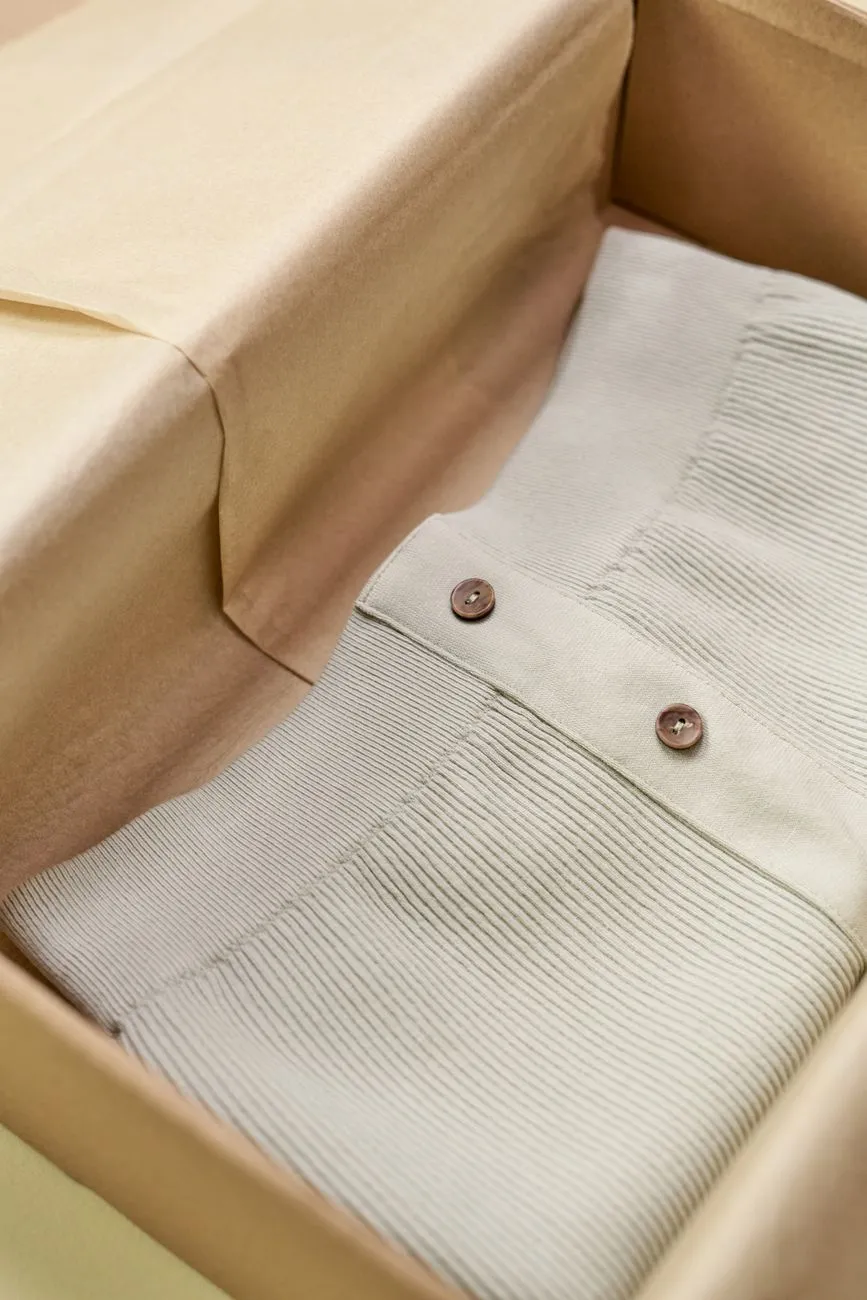 Photo: Ron Lach / Pexels
Reduce “will this look good on me?” returns before checkout
Even with accurate photos and size charts, some shoppers still cannot picture how a top, dress, or skirt will look on their own body. That uncertainty creates avoidable returns, especially on your own Shopify or WooCommerce store.
Macgi makes an AI virtual try-on widget for online clothing stores. It is installed with one script tag plus a button attribute on the product page, works on any site where you can add HTML, and the button sits next to “Add to cart.” The widget uses your shop’s existing product photos. Shoppers take or upload one full-body photo and see themselves wearing the product in about 15–40 seconds. If you run TikTok Shop alongside your own website, this can help web shoppers judge the look before buying. You can try Macgi’s widget in the free beta here.
FAQ
What should I do first when a buyer opens a return on TikTok Shop?
Read the return reason, the buyer’s evidence, and your response deadline in Seller Center. Check the current TikTok Shop policy for your market to understand whether the reason is seller-fault or buyer-fault, then accept or respond with factual evidence before the deadline.
Who pays for return shipping?
It depends on the market and the reason. In many cases, seller-fault returns such as damaged, defective, or not-as-described items are paid by the seller, while buyer-change-of-mind returns may be paid by the buyer or may not be accepted. Check the official policy for your region and account category.
Can I set my own return policy on TikTok Shop?
TikTok Shop sets platform-level return and refund rules, and local consumer law may add requirements. Sellers can define some operational details, such as return address and restocking steps, within what the platform allows. Do not assume your website’s return policy automatically applies to TikTok Shop orders.
How can I win a “not as described” dispute?
Keep a record of the listing description, size chart, product photos, order ID, SKU, and pre-dispatch packaging images. Respond politely with screenshots that show the item matched the listing. If the listing was unclear or the item was different, accept the return and fix the listing immediately.
How do I know if my biggest return problem is size?
Track returns by SKU, size, color, and reason for at least one month. If the same size or style returns repeatedly for “too small” or “too big,” the size chart, fit wording, or product photos need to be updated.