Macgi
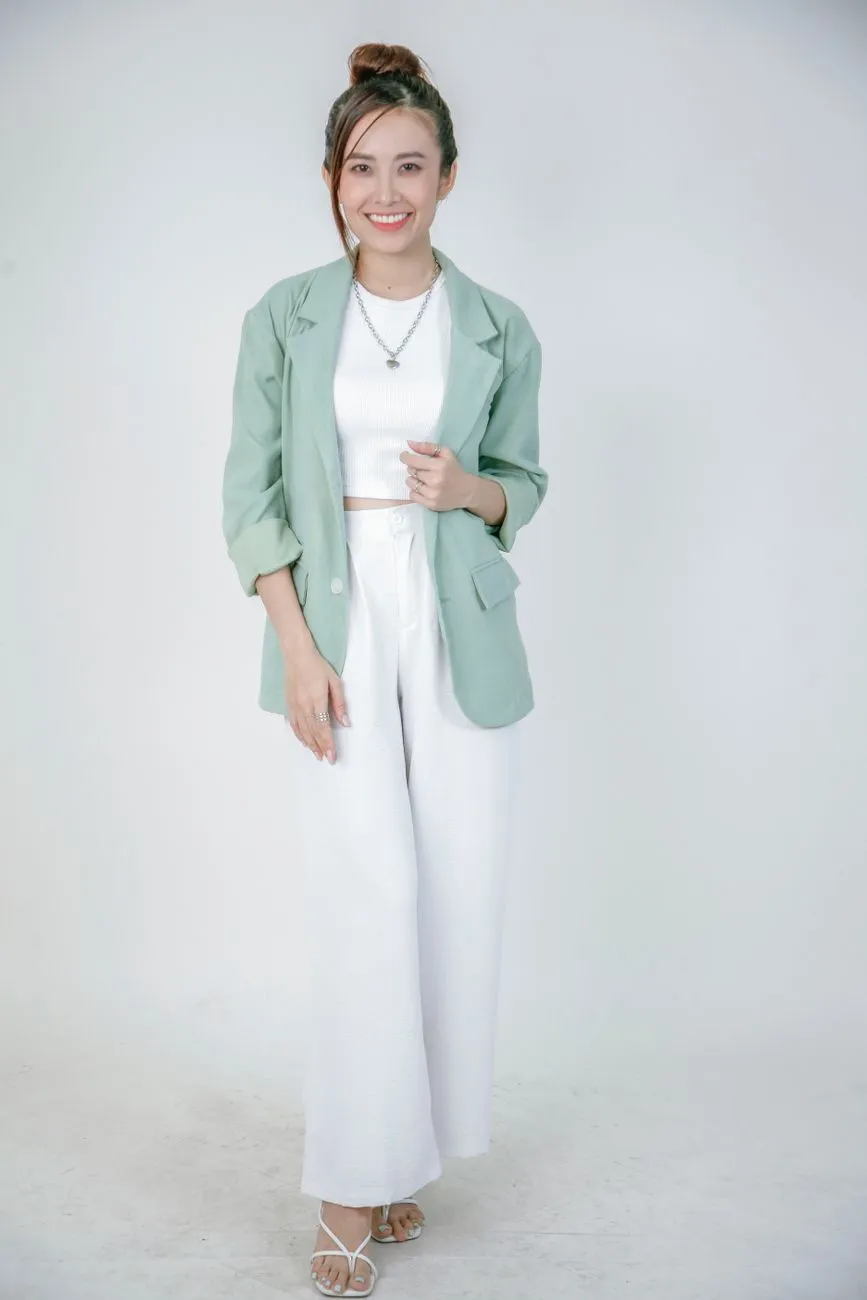
Old money style is not about looking rich; it is about looking considered. The look leans on natural fabrics, neutral colours, and clothes that fit well. You can build a version of it from a modest wardrobe if you pay attention to materials, proportions, grooming, and the small details.
What “old money” style actually means
Old money dressing borrows from country clubs, old universities, sailing towns, and European summer houses. It is quiet, consistent, and a little conservative. The visual language is less about trends and more about ease: a pressed shirt, a good pair of trousers, a wool blazer, clean leather shoes.
That means several things in practice:
- No visible logos or loud branding. The clothing itself is the signal, not the label.
- Clothes are maintained. Buttons are secure, hems are intact, knits are de-pilled, shoes are brushed.
- Colours repeat. The wardrobe is built around a small number of neutrals rather than new seasonal brights.
- Fit is intentional but not tight. The clothes follow the body without squeezing it or hiding it.
The same logic applies to men and women. The pieces differ, but the principles do not.
The neutral palette and how to build it
Start with a base of cream, ivory, navy, camel, tan, chocolate, grey, and olive. These colours mix easily and look more expensive when they are tone-on-tone or low-contrast. Burgundy, forest green, and dusty blue work as quiet accents.
Useful combinations:
- Cream + navy + tan
- White or ivory + khaki
- Camel + chocolate
- Grey + burgundy
- Olive + navy
- Navy + grey + white
If you want a more precise system, the 60-30-10 rule helps: roughly 60% one dominant neutral, 30% a second neutral, and 10% a small accent. For old money style, keep the 10% accent muted rather than bright. More on that approach in How to Color Match Clothes: Color Wheel, Neutrals, 60-30-10.
Navy often replaces black as the default dark neutral. It softens the contrast and feels less severe, especially in daylight. Black can work, but use it sparingly; too much black can shift the look from “quiet” to “sharp” or “city formal.”
Fabrics and fit: the real status signals
Fabric matters more than price. Natural fibres look better over a long day because they breathe, hold shape, and age gracefully.
- Cotton poplin, oxford cloth, and pique for shirts and polos.
- Merino wool and cashmere for fine knits.
- Wool flannel, hopsack, tweed, and gabardine for trousers and blazers.
- Linen and seersucker for warm weather, even if they crease; the relaxed creasing is part of the look.
- Silk for blouses, scarves, and ties in small doses.
Fit should be comfortable and precise. For a blazer or jacket, the shoulder seam should sit at the end of your shoulder, not down your arm. Trousers should skim the hip and fall cleanly without pulling across the thigh. If you want a longer line, choose a higher rise and a fuller, straight leg rather than a tight taper. Hem trousers with a slight break or no break at the shoe, not a deep pool of fabric.
Body-positive note: old money style is not reserved for one body type. If you want to define your waist, look for a structured shoulder and a gentle taper. If you want to elongate, keep the top and bottom close in tone. Fit means working with your proportions, not forcing yourself into a smaller size.
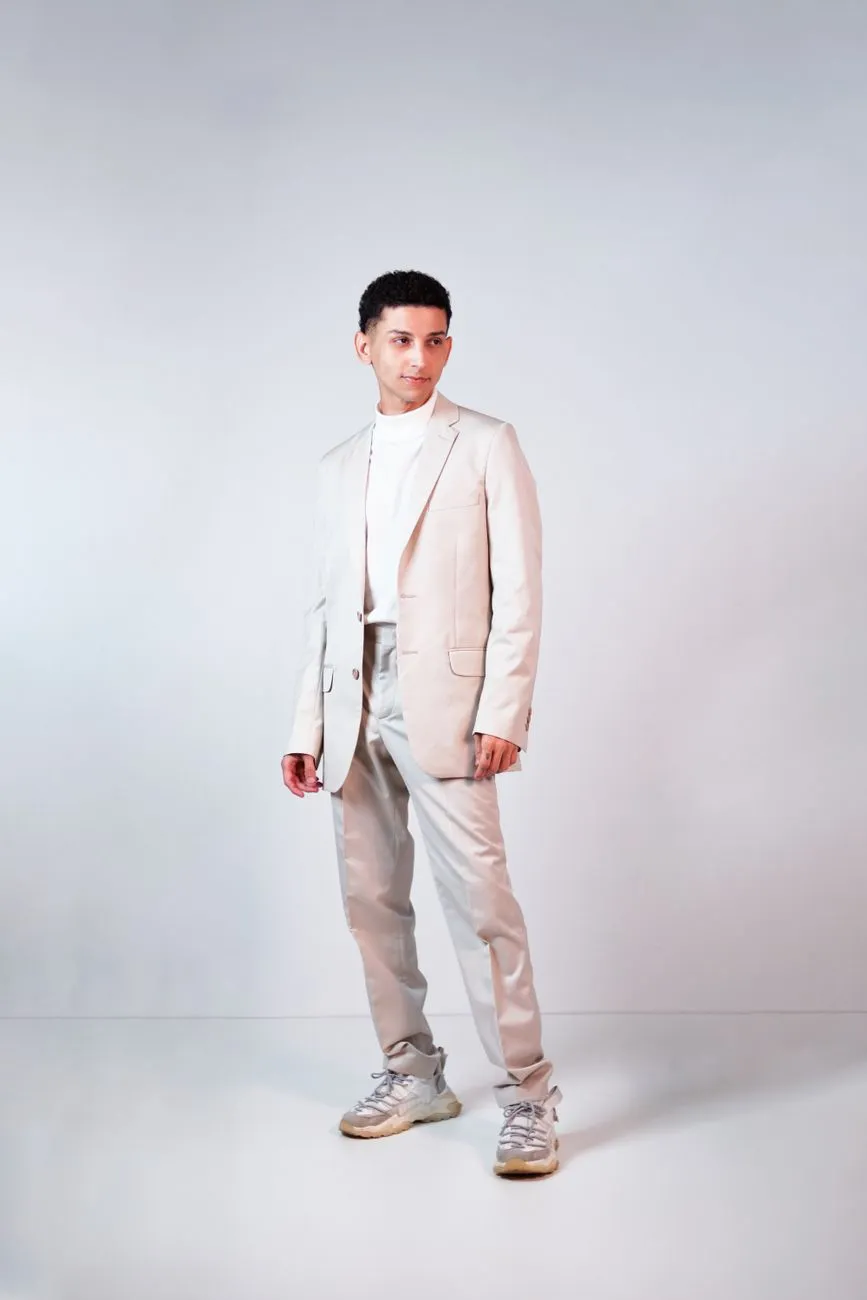 Photo: Bruno Casttro / Pexels
Key pieces for women
Tops and knitwear
- A cotton or silk button-down shirt in white, ivory, or light blue.
- A fine merino or cashmere crewneck in navy, camel, or cream.
- A cardigan in a neutral that you can wear open over a shirt or buttoned as a top.
- A polo or long-sleeve striped top in navy and cream.
- A cable knit or simple wool sweater for cooler days.
Layer the shirt under a crewneck with the collar and cuffs visible. Tuck it into tailored trousers or a midi skirt. Avoid sheer fabrics, cutouts, and large logos. The goal is a clean line from shoulder to hem, with quiet texture doing the work.
Trousers, skirts and dresses
- Tailored trousers in wool, heavy cotton, or a linen blend. A straight or wide leg reads more old money than a tight crop.
- An A-line or pleated midi skirt in khaki, navy, or a muted check.
- A shirt dress, sheath dress, or wrap dress in a solid neutral or small, low-contrast print.
- Dark straight denim if you want jeans; no rips, heavy fading, or raw hems.
If you want a taller line, keep the hem around the mid-calf or just above the ankle, and wear a shoe that does not cut across the ankle too heavily.
Shoes and accessories
Loafers, ballet flats, low block heels, and minimal leather sneakers all fit. Keep bags structured or softly slouchy but unlogoed. A silk scarf tied at the neck or onto a bag adds polish. Small earrings and a simple watch are usually enough.
Key pieces for men
Shirts and knits
- An oxford cloth button-down in white, blue, or university stripes.
- A poplin or broadcloth shirt in white or light blue for drier, sharper occasions.
- A polo in pique cotton, worn untucked only if the hem is short enough.
- A merino or cotton crewneck in navy, grey, camel, or forest.
- A cricket-style vest or cardigan over a shirt for a layered, collegiate feel.
Keep collars flat and structured. Avoid shiny dress shirts, tight fits, and anything with a large chest print.
Trousers
- Flat-front chinos in stone, navy, or olive.
- Wool flannel or tropical wool trousers with a crease.
- Tailored shorts just above the knee for warm weather.
- Dark straight denim without distressing or heavy stacking at the hem.
If you want to balance a slim build, choose trousers with a straight or slightly fuller leg rather than a skinny cut. If you prefer a cleaner look, keep the rise comfortably high and the waistband sitting where it naturally should.
Shoes and accessories
Penny loafers, suede loafers, derby shoes, oxfords, and chukka boots all work. A minimal white leather sneaker can work for off-duty outfits, but it should be clean. Match the leather of your belt to your shoes when possible. A simple watch reads more old money than a large or ornate one.
 Photo: N-C-H / Pexels
Grooming and finishing details
Old money style is carried as much by grooming as by clothing.
- Keep hair neat but not stiff. Natural texture is fine if it looks intentional.
- Clean nails, clean skin, and a simple skincare routine matter more than any accessory.
- Press or steam shirts and trousers. A wrinkled collar undoes an otherwise good outfit.
- Polish or brush leather shoes. Scuffed shoes make an outfit look tired.
- Choose a restrained fragrance if you wear one; one or two sprays at most.
- Stand tall. Posture changes the way clothes hang.
These details are free or inexpensive, and they elevate basics more than adding extra pieces.
How to fake the look affordably
You do not need a huge budget. The old money look is mostly about editing and care.
- Shop your own closet first. Double-check your existing neutrals before buying new pieces. A navy crewneck, white shirt, and khaki trousers may already be there. This is the same logic behind How to Build a Capsule Wardrobe on a Budget From Your Closet.
- Buy fewer, better things. Choose natural fibres over synthetic shine, and simple shapes over trendy details. A well-cut cotton shirt will outlast several fast-fashion versions.
- Use a tailor for small changes. Hemming trousers, taking in a waistband, or shortening sleeves can make an inexpensive piece look custom.
- Prioritise care. A garment steamer, a fabric shaver, a shoe brush, and a sewing kit prevent the worn-out look that breaks the illusion.
- Test silhouettes before committing. Old money style depends on proportion. A wide-leg trouser can read relaxed or sloppy depending on your frame, and an oversized blazer can look elegant or too big. One way to check without buying is to use an AI try-on like Macgi. You can upload one full-body photo and try a top, a top with trousers, or a dress. The result arrives in about 15–40 seconds. Macgi keeps your face, body shape, skin tone, pose, and background, changing only the clothes—there is no body editing. Your photos are used only for your own try-on images, never posted, shared, used for ads, or used for AI training, and the temporary copy sent to the AI is deleted within 24 hours. It works in your phone browser, no app. Just remember that try-on images are AI previews, so final sizing still depends on the store’s size chart. For a step-by-step approach, see Try On Clothes Online Before Buying: 5 Steps to Fewer Returns.
FAQ
Is old money style the same as quiet luxury?
They overlap, but they are not identical. Quiet luxury is a broader term for expensive-looking clothes with no visible branding. Old money style is a specific version of that: it is more collegiate, outdoorsy, and traditional, with a stronger connection to sportswear and country-club pieces like polos, blazers, and loafers.
Can I wear old money style if I’m plus-size, petite, or tall?
Yes. Fit and proportion matter more than size. If you want more length, use a closer tone between top and bottom and avoid cutting the line at the ankle. If you want more definition, look for structured shoulders and a waist that sits where you want it. Choose fabrics with some body, like cotton twill or wool, rather than clingy knits.
What should I avoid if I want the old money look?
Avoid visible logos, heavy distressing, neon colours, very shiny synthetics, and clothes that are too tight or too oversized. One or two of these can be fine in a personal style, but together they move the outfit away from the old money register.
Do I need expensive clothes?
No. The price is less important than the fibre, cut, and condition. A well-fitting cotton shirt from any price point will look more old money than a poor-fitting designer piece with a loud logo.
How can I test an old money outfit without buying everything?
Use your existing clothes plus an AI try-on tool like Macgi. Because it keeps your body shape, pose, and background while changing only the clothes, it helps you judge whether a silhouette and colour combination genuinely work on you before you spend.