Macgi
A capsule wardrobe on a budget is not about owning exactly 30 pieces or buying a whole new beige wardrobe in one weekend. It is about giving yourself fewer decisions, more outfits, and a closet where almost everything works together. The cheapest way to get there is to start with what you already own. This guide shows how to audit your closet, build a small starter capsule from pieces you already have, use outfit formulas to make it feel larger, and add missing pieces slowly over months.
Start with a closet audit, not a shopping list
Take everything out of your wardrobe and put it on the bed or a rail. Group by type: tops, bottoms, dresses, outerwear, shoes. It feels messy for an hour, but you cannot audit what you cannot see.
Use the keep, alter, release test
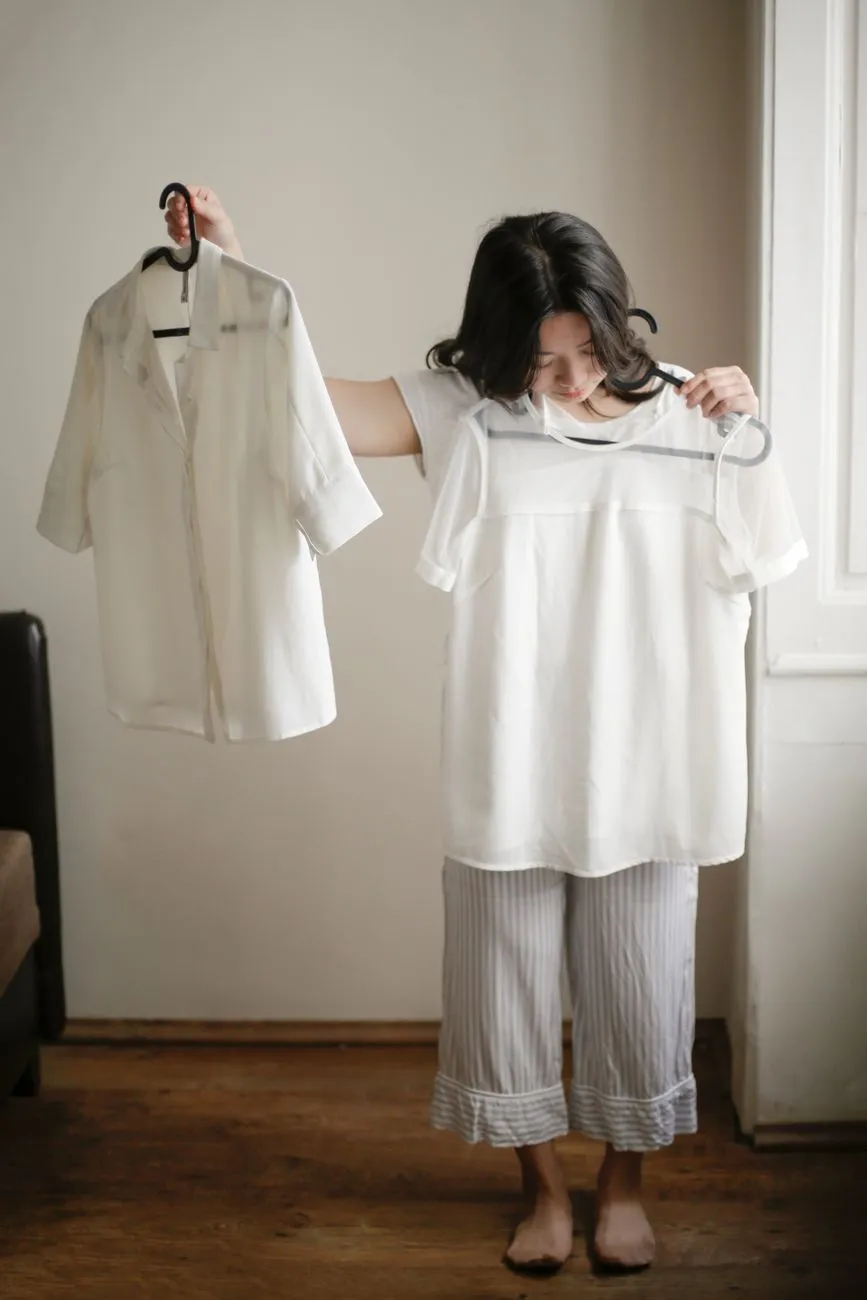
Try on the pieces you are unsure about. Use a full-length mirror in daylight, and take a straight-on photo of each outfit. A photo often reveals the overall proportion in a way a mirror does not. If you need a simple method, read How to Take a Full-Body Photo for AI Try-On.
Then decide:
- Keep if it fits your current body, works with at least two or three other pieces, and suits your actual week.
- Alter if the fabric is good but the length, waist, or shoulder line is off. A small hem or waist adjustment can make a secondhand piece look expensive.
- Release if it is damaged beyond easy repair, itchy, uncomfortable, or kept only out of guilt.
Do not keep clothes that are two sizes too small as motivation. Clothes should fit the body you have today. If a piece makes you feel bad every time you see it, release it. You will not build a calmer wardrobe by keeping stress in it.
Choose a base palette before you remove anything
Most capsule advice jumps to black and white. Those work if they suit your skin and your daily life. If you dislike black, do not force it. The point is a limited color set where most tops, bottoms, and layers can be mixed without thought.
Pick two bottom neutrals and three top neutrals
Women often choose dark neutrals for bottoms such as black, navy, dark denim, brown, or charcoal, then lighter top neutrals such as white, cream, light grey, soft blue, or oatmeal. Men often use navy, grey, olive, dark denim, white, and light blue. If your wardrobe is already mostly denim, treat denim blue as one of your neutrals instead of ignoring it.
If you want help balancing a pop of color, read How to Color Match Clothes: Color Wheel, Neutrals, 60-30-10.
Add one accent color, not five
A small capsule needs at most one or two accent colors such as burnt orange, forest green, burgundy, or cobalt. Keep accents to tops, knits, or a bag. If every piece is a different bright color, the wardrobe will not mix. Once your neutral base works, you can add another accent intentionally.
Avoid buying a whole new color scheme in one afternoon. Your eye is more reliable when you try things over several days.
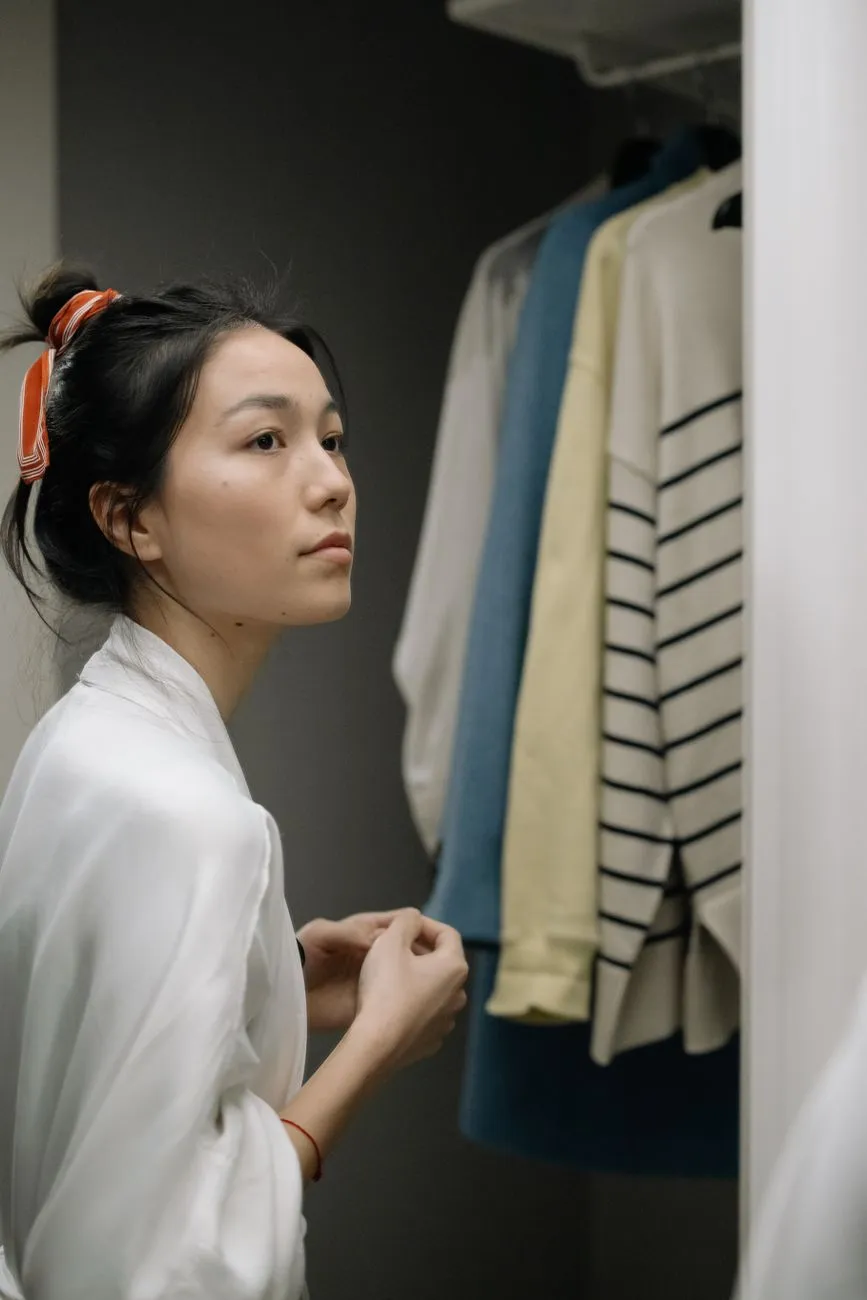 Photo: cottonbro studio / Pexels
Build a five-piece starter capsule from what you already own
Start with five pieces. Five is small enough to be achievable and large enough to show how mixing works. Use these as thought starters, not a required list.
Women’s five-piece starter
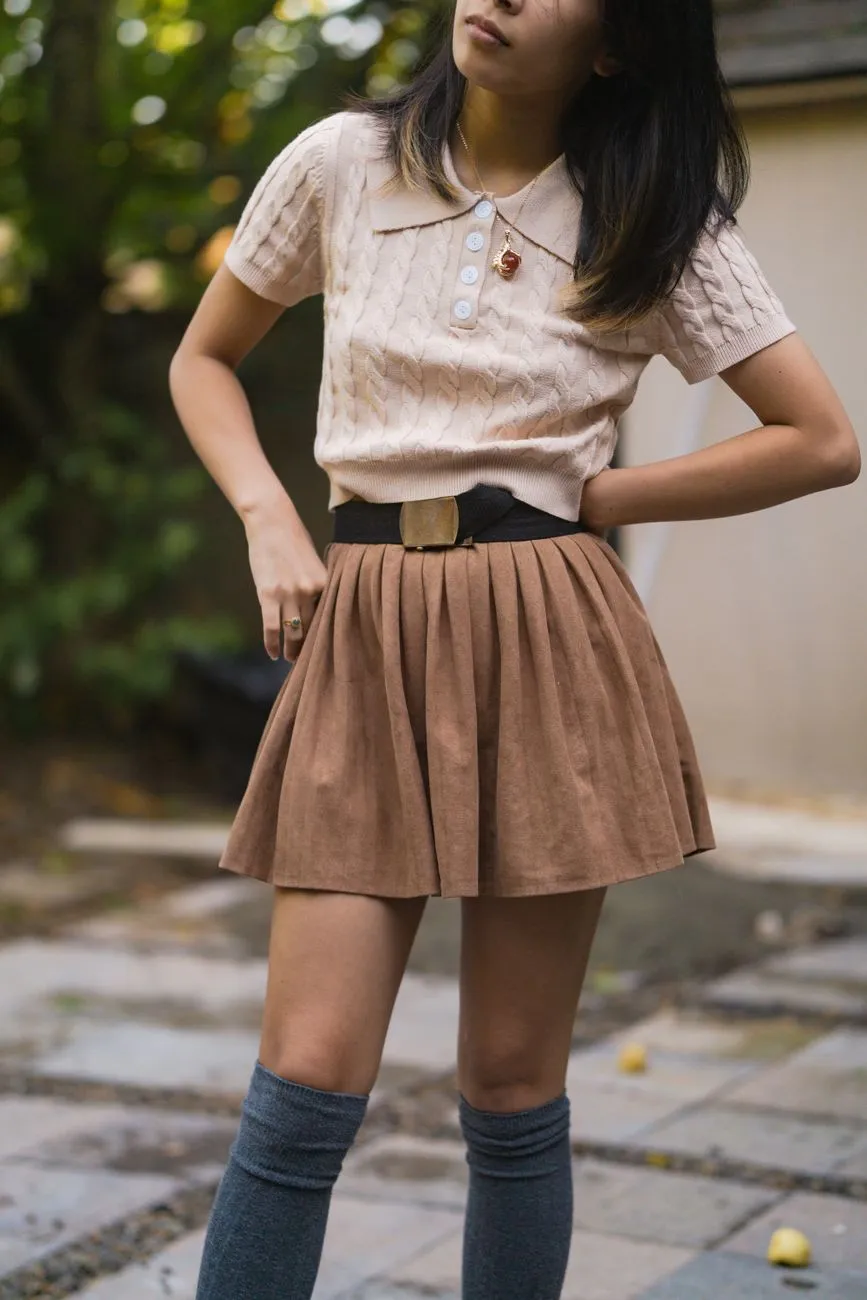
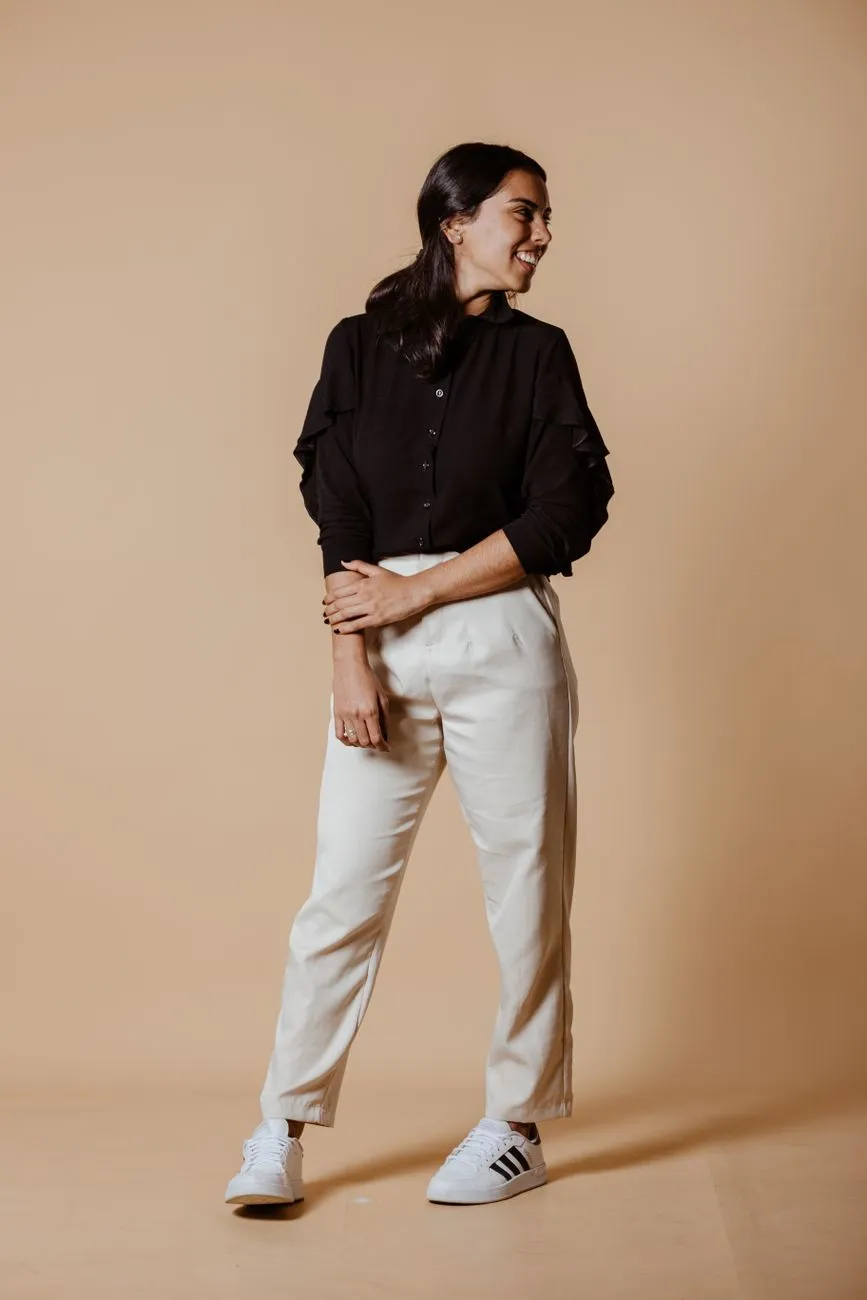
- One dark neutral bottom: straight, wide-leg, or tailored trousers in black or navy, or clean dark jeans.
- One light neutral top: a white or cream tee, shirt, or fine knit.
- One second top: a neutral or low-contrast stripe, or your chosen accent color.
- One structured layer: a denim jacket, blazer, cardigan, or chore coat in a neutral.
- One dress in a plain neutral or small, simple print that can go day to night.
Outfits: white tee + dark trousers + layer; accent top + dark trousers alone; dress alone; dress with the layer; white tee under the dress if it works as a slip style.
Men’s five-piece starter
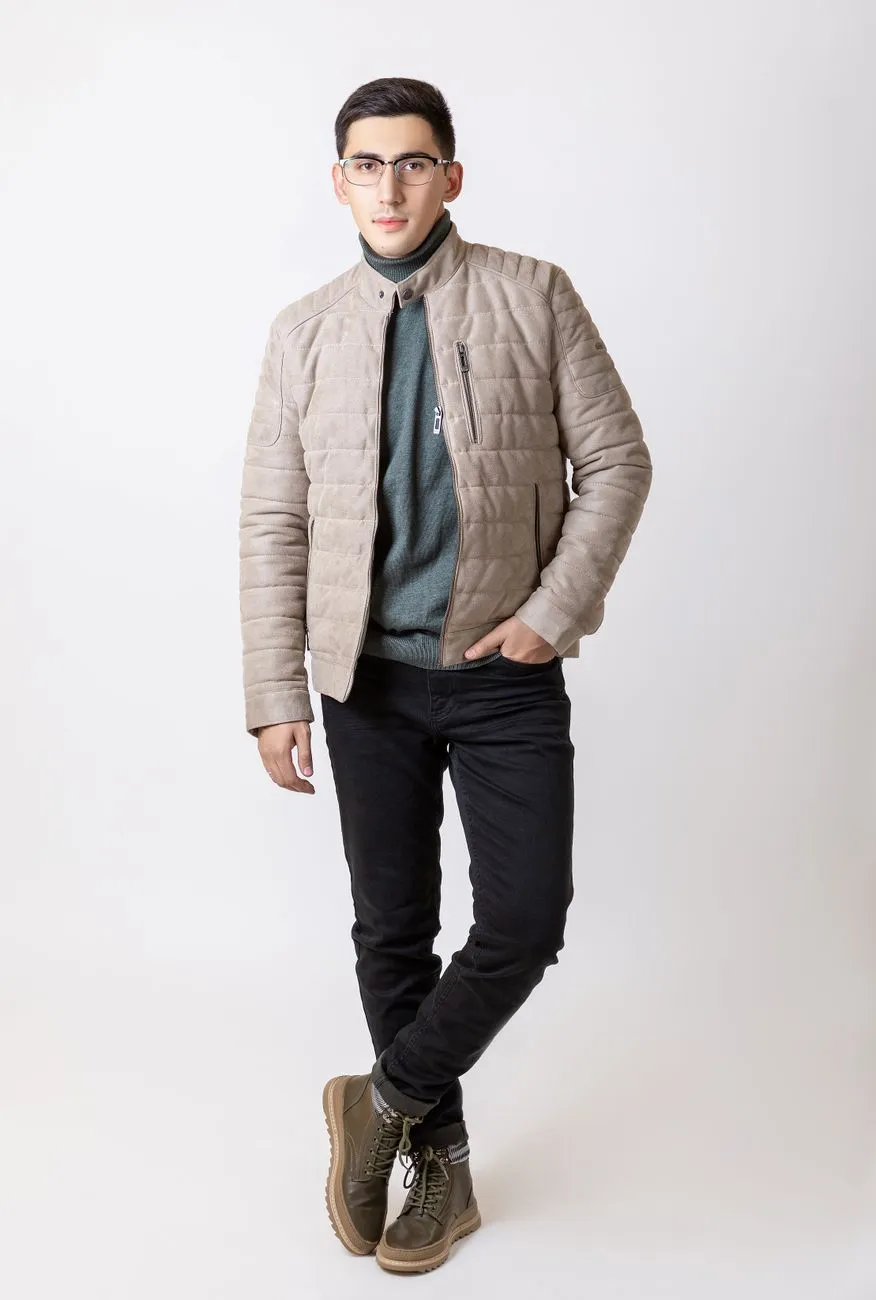
- Dark jeans or navy chinos.
- Grey or white crew-neck T-shirt.
- A collared shirt in white or light blue.
- A knit or overshirt in olive, navy, or grey.
- A second bottom in a different neutral, or tailored trousers.
Outfits: collared shirt + chinos; tee + dark jeans + overshirt; tee + chinos; collared shirt + dark jeans; overshirt over the collared shirt.
This is an exercise, not a law
The point is to prove that five pieces can make at least seven to ten outfits. Once you see that, you stop feeling that you need a separate item for every occasion. If a missing piece shows up repeatedly, write it on a gap list. Do not buy it yet.
Use outfit formulas to make a small wardrobe feel larger
Capsules feel dull when you repeat the same combinations every time. Formulas help you rearrange the same pieces.
For women
- Top + bottom + layer: tee, trousers, and a blazer or denim jacket.
- Dress + layer: the same dress changes with sneakers, loafers, or flat sandals.
- Tuck or half-tuck: changing the tuck changes the outfit. If you want to define your waist, tuck. If you want a relaxed look, leave it loose or knot it.
- Roll or push up sleeves: showing the wrists and forearms changes the proportion of any long-sleeve top or jacket.
For men
- Collared shirt open over a tee + chinos or dark jeans.
- Tee + overshirt with rolled cuffs.
- Knit over a shirt collar + tailored trousers.
- Monochrome base plus one accent in the top, socks, or a cap.
Shoes as part of the outfit, not an afterthought
A pair of low white leather or clean canvas sneakers, one dark shoe or boot, and one pair of loafers or flat sandals cover most outfits. For women, ankle boots can work with dresses and trousers. Avoid buying a new shoe for each color; neutral shoes make mixed outfits feel intentional.
Add pieces slowly and spend where it counts
Keep a gap list for two weeks
Wear the starter capsule. Each time you think “this outfit would work if I had X,” write it down. After two weeks, the repeated gaps are your real shopping list. Often the list is shorter than expected.
Buy one piece per month
This is not a punishment. It gives you time to research fabric, compare with your existing wardrobe, and save up. A slow buying plan also prevents the “capsule starter pack” shopping spree that replaces your closet instead of curating it.
Spend more on carry pieces, less on trend pieces
Carry pieces are the items you wear every week: the trousers, dark denim, white tee, light knit, plain dress. Look for natural fibers such as cotton, linen, lyocell, or wool blends that hold their shape. Check that seams are straight, buttons are secure, zips move cleanly, and the fabric is not see-through under normal light. A weak seam or cheap zip often fails before the fabric does.
If you want to preview a potential gap piece with clothes you already own, a phone-browser tool like Macgi can help. Upload one full-body photo, try a top, a top with trousers, or a dress, and get an AI preview in about 15–40 seconds. The AI keeps your face, body shape, skin tone, pose, and background and changes only the clothes. The photo is used only for your own try-on, never posted or used for ads or AI training, and the temporary copy sent to the AI is deleted within 24 hours. The preview is still an AI image, so check the store’s size chart before ordering. For a fuller process, read Try On Clothes Online Before Buying: 5 Steps to Fewer Returns.
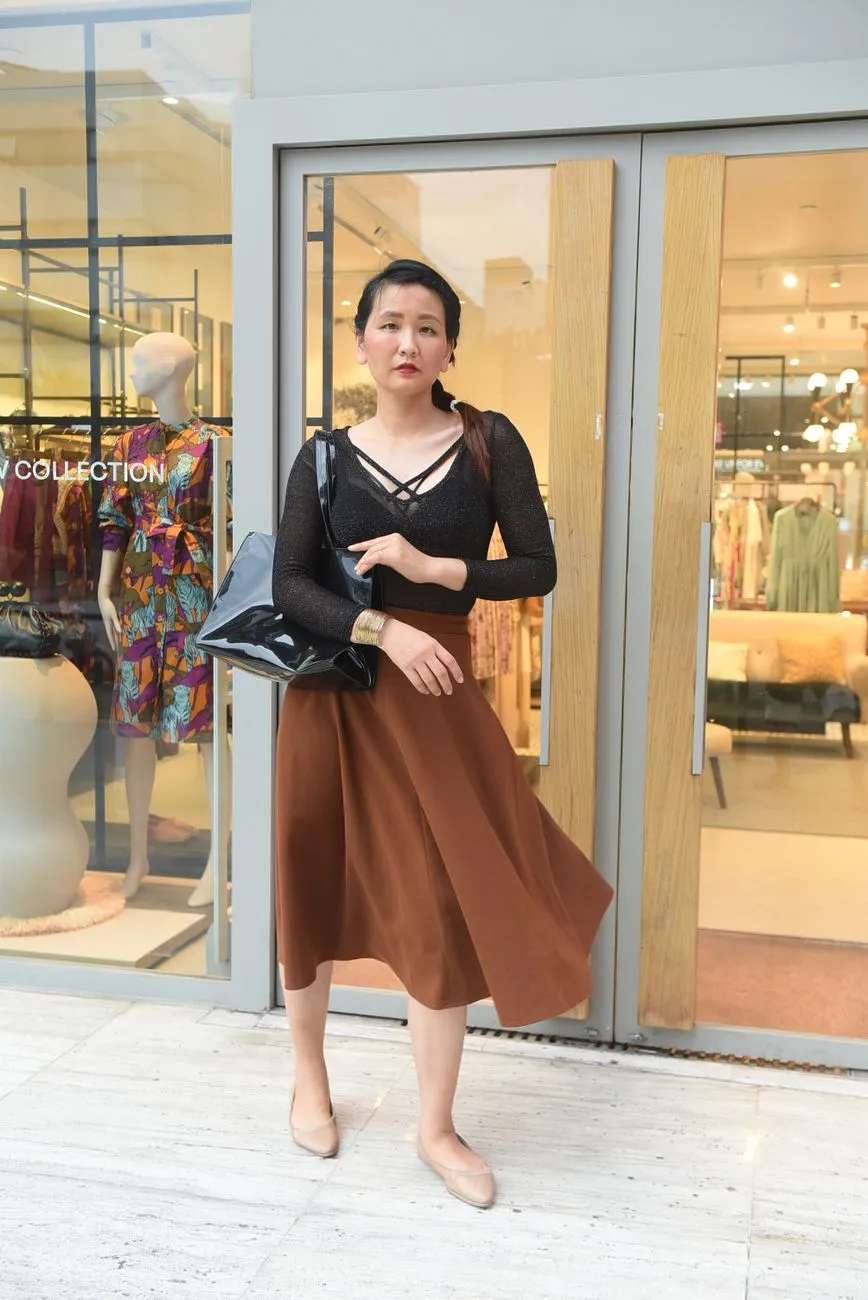 Photo: Felix Young / Pexels
Mistakes to avoid when building a capsule on a budget
Buying a full capsule in one day
A set of clothes that all arrive together often looks coordinated in the package but not on you. Fit, fabric, and how the colors sit against your skin need time. One piece per month is usually enough.
Keeping expensive pieces you never wear
Cost per wear matters more than the original price. If a piece was expensive but does not fit or work in your life, keeping it does not bring the money back. Sell or donate it and use the space for something that works.
Adding trends before the base works
A bold trend piece is not the enemy, but it works best when your neutral base is already reliable. If you cannot build seven outfits without the trend, wait.
Ignoring alteration costs
A cheap secondhand blazer is only a bargain if the shoulders fit. Shoulder adjustments are usually expensive and risky. If the shoulders are wrong, leave it.
Taking AI try-on images as size guarantees
A preview can show whether an outfit idea looks coherent, but it does not replace measuring yourself and reading the store’s size chart. Sizing still needs real measurements.
FAQ
Do I need exactly 30 pieces for a capsule wardrobe?
No. The number is less important than how the pieces mix. Start with five or ten. Add only when a gap repeats.
What if my closet is mostly bright colors and no neutrals?
Use the brightest pieces as your accents, and keep them if they flatter you. Build your base around the neutral items you do have: denim, white shirts, black trousers. You do not need to throw everything away and buy beige.
How many shoes should a budget capsule include?
For most people, three pairs cover a lot: clean low sneakers, one dark shoe or boot, and one warm-weather shoe such as loafers or flat sandals. If you exercise, add a dedicated pair for workouts.
Can I build a capsule if my size changes?
Yes. Choose pieces with some ease, such as skirts with elastic or adjustable waistbands, wrap styles, and knits that are not too tight. Focus on fit today, and allow room for comfort rather than buying smaller sizes as a goal.
Should I use AI try-on before buying a new piece?
It can help you see whether a top, dress, or trousers coordinate with what you own. A tool like Macgi works in the phone browser, no app, and shows the clothes on your actual photo in about 15–40 seconds. Remember it changes only the clothes, not your body, but it is still a preview, not a size guarantee.