Macgi

Colour matching can feel like a set of rules you missed out on. In practice, it is less about memorising strict combinations and more about understanding a few visual relationships. Once you know the colour wheel, how to use neutrals as anchors, and how to apply the 60-30-10 rule, you can open your wardrobe and see outfits instead of separate pieces.
This guide walks through each idea, with outfit formulas for women and men, common mistakes, and a short FAQ.
How to use the colour wheel
The colour wheel shows the relationship between hues: red, orange, yellow, green, blue, purple, and everything between them. In clothing, pure hues are less common than their everyday versions: rust, mustard, olive, navy, burgundy, blush, and so on. You can use the same three colour relationships regardless of whether a shade is soft or saturated.
Complementary: high contrast, high impact
Complementary colours sit opposite each other on the wheel: blue and orange, red and green, yellow and purple. That can sound bright, but in clothing it works when you soften one or both shades.
Useful complementary pairings include:
- Navy blazer with a rust or caramel top
- Olive trousers with a burgundy or dusty pink top
- Lavender top with a mustard cardigan
The trick is not to split an outfit 50/50 between two strong opposites. Use one colour as the dominant area and the other as a small accent. A modest dose of the opposite colour adds energy without looking like a costume.
Analogous: easy, low-risk harmony
Analogous colours sit next to each other on the wheel: blue, teal and green; red, orange and yellow; purple, blue and pink. Because these colours share a base hue, they tend to feel calm and cohesive.
Some examples:
- Dusty blue shirt with light blue-grey trousers and navy loafers
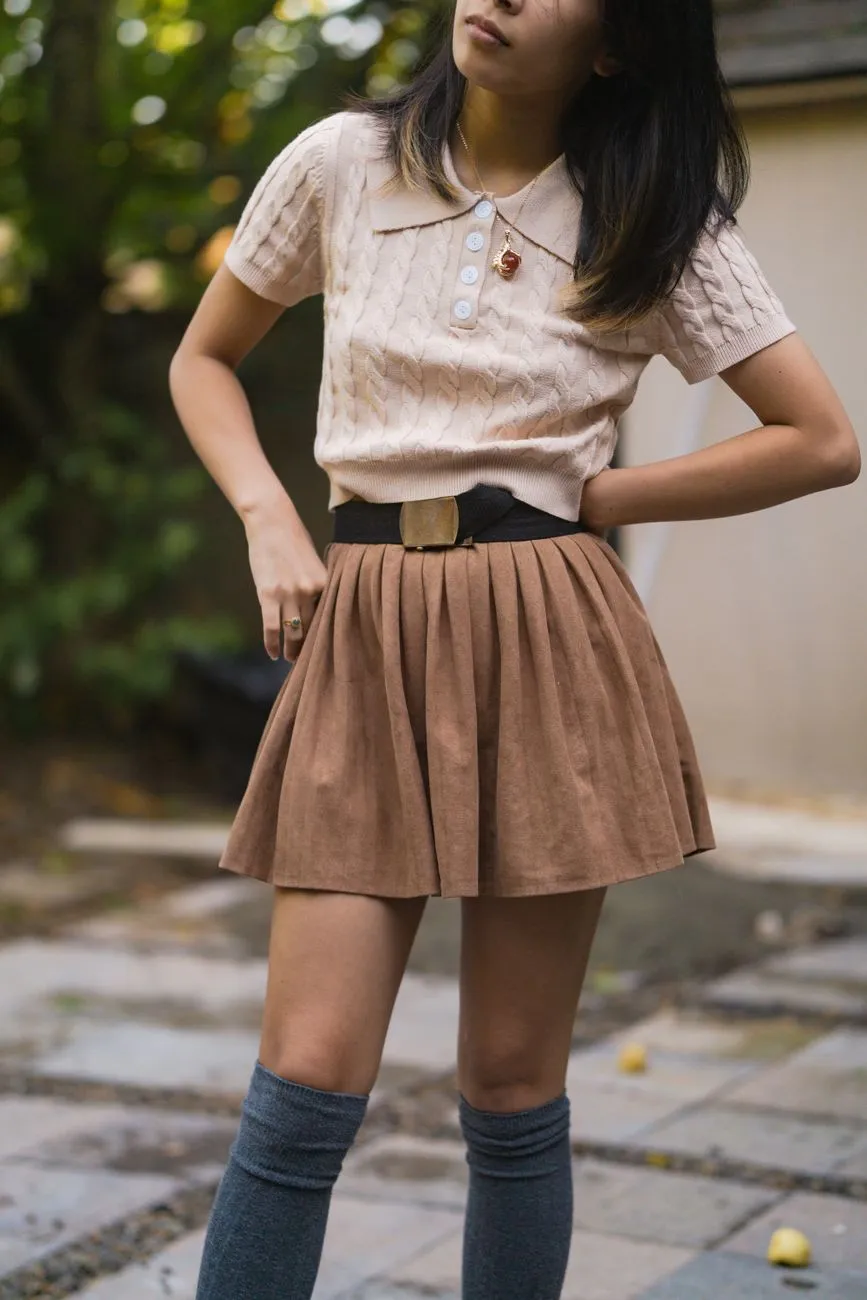
- Terracotta top with brown trousers and a cream scarf
- Sage green top with olive chinos and tan sandals
Analogous dressing is a good starting point if you are unsure about colour. Choose one colour family and vary the lightness or depth between pieces.
Monochrome: one hue, different depths
A monochrome outfit uses a single colour family in different shades, tints or tones. It can create a clean, unbroken vertical line if that is a goal for you.
Examples include:
- Cream, beige, camel and light brown
- Light blue, mid-blue and navy
- Dove grey, charcoal and black
Texture matters here because the colour range is narrow. Mix knitwear with denim, leather or suede, matte with slight sheen, and thicker fabrics with thinner ones so the outfit does not look flat.
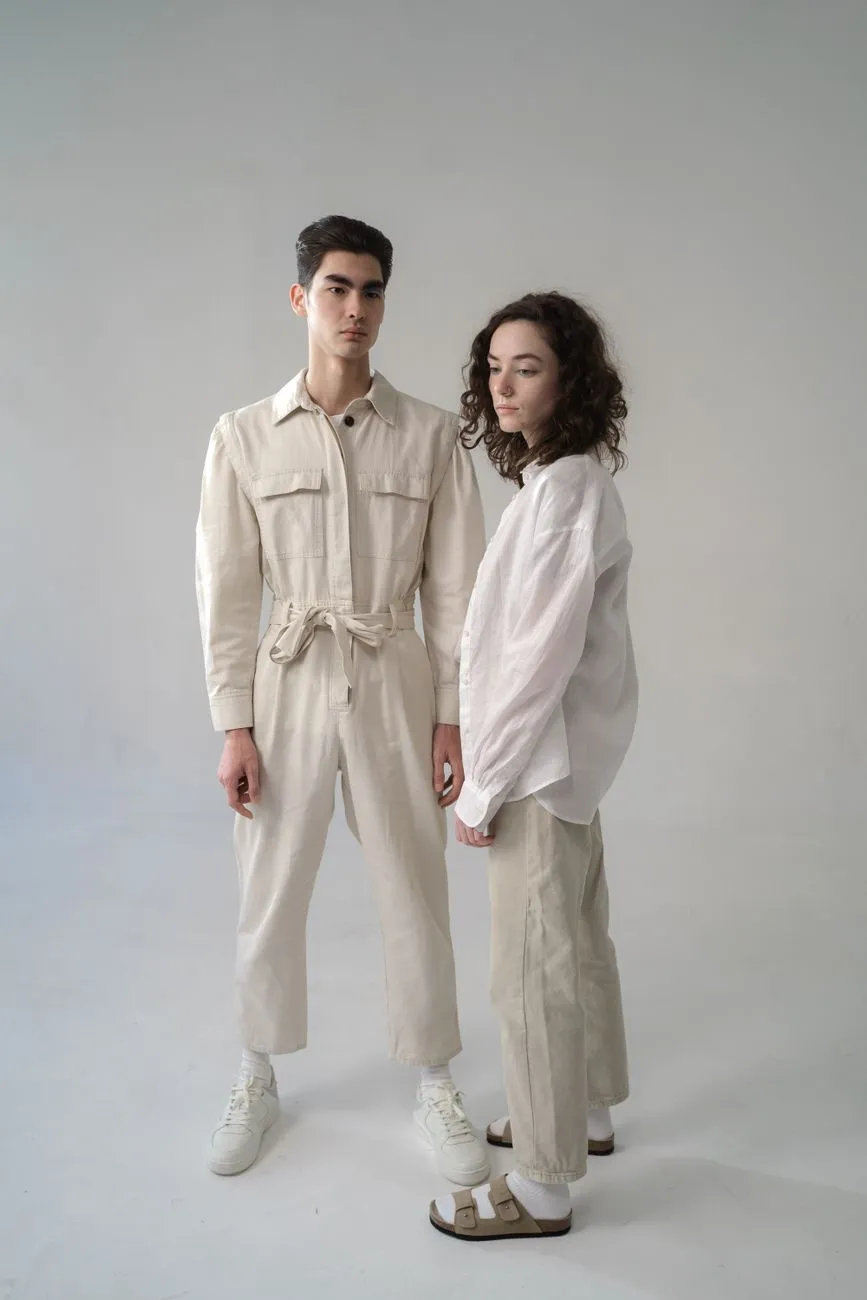 Photo: Ron Lach / Pexels
Neutrals as anchors
Neutrals are the easiest way to make colour matching reliable. They give the eye a place to rest and let one or two colourful pieces stand out. Useful neutrals in clothing include black, white, grey, navy, charcoal, cream, beige, camel, taupe and brown. Some deep, muted colours such as olive and burgundy behave almost like neutrals in a wardrobe.
A practical way to build around neutrals:
- Keep your most versatile pieces neutral: trousers, jeans, blazer, coat, plain shoes, everyday bag.
- Add colour in smaller areas: a top, shirt, knitwear, scarf, socks, bag or jewellery.
- When an outfit feels busy, swap one coloured piece for a neutral. That often fixes it immediately.
You do not need a professional colour analysis to judge whether a colour suits you. A simple test is to hold the garment near your face in natural light and notice whether your face looks brighter and more awake, or tired and washed out. Your own eye is enough for most everyday choices.
If you are also working through silhouette and fit, colour should support those choices rather than compete with them. For a deeper guide on proportion and shape, see How to Dress for Your Body Type.
The 60-30-10 rule
The 60-30-10 rule is a common styling guideline that divides an outfit into three visual proportions:
- 60% dominant colour: the largest area, usually a coat, dress, suit, trousers or skirt.
- 30% secondary colour: the next largest area, such as a top, shirt, blazer or bag.
- 10% accent colour: the smallest area, such as shoes, belt, earrings, scarf, watch strap or socks.
The numbers are a starting point, not a law. If your outfit has only two big elements, you can use 70/30 or 80/20. The point is to avoid equal blocks of competing colour and to give the eye a clear order.
How to apply it:
- Start with a neutral base as the 60 percent: navy trousers, black dress, ecru skirt or grey suit.
- Choose a secondary colour that harmonises or contrasts gently: cream, olive, blush or light blue.
- Choose a small accent that adds life: burgundy shoes, a mustard scarf, a silver watch, red lipstick or colourful socks.
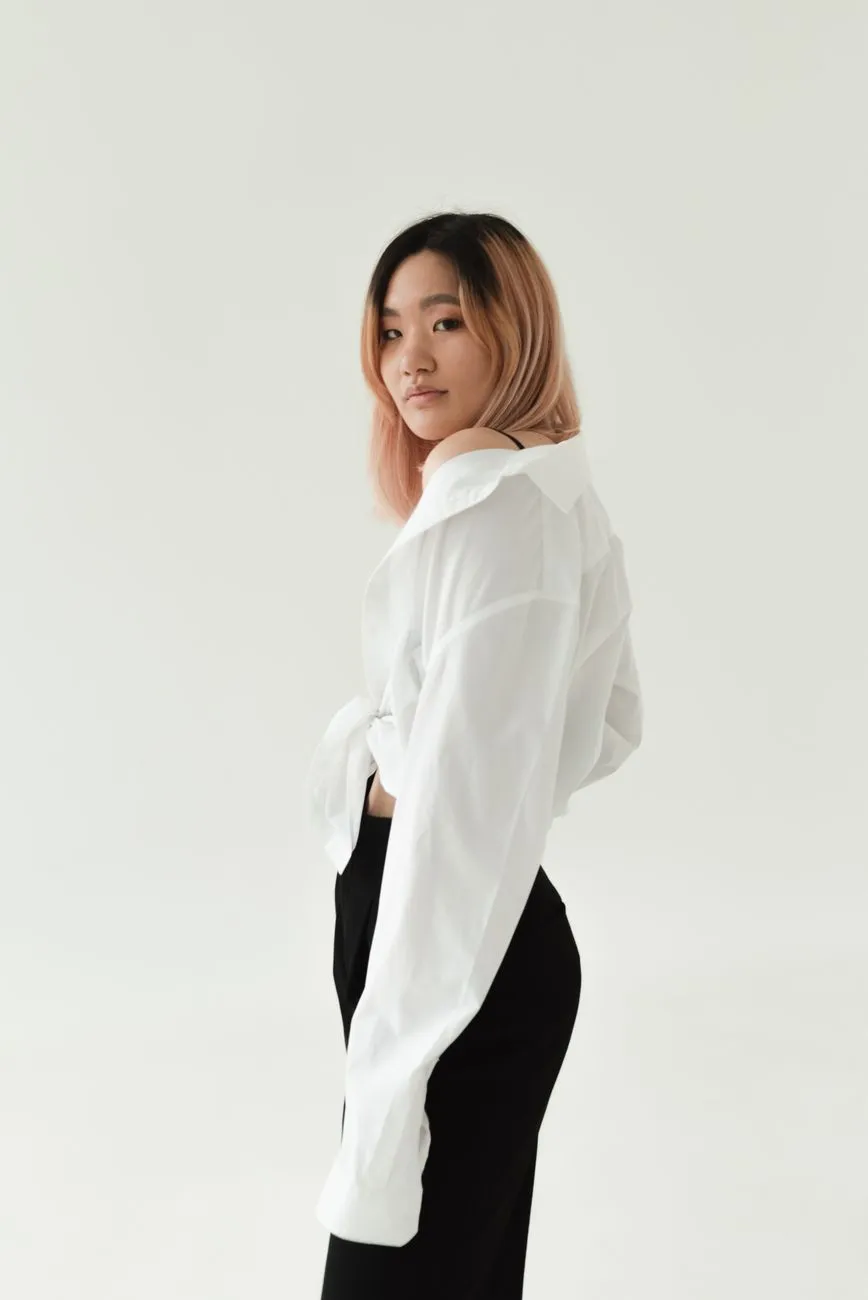 Photo: Arina Krasnikova / Pexels
Real outfit examples
These formulas show the colour wheel and 60-30-10 working together. Adjust them to what you already own.
Women
- Casual, analogous: 60% light blue high-waisted jeans, 30% sage green knit top, 10% cream sneakers and a small gold necklace. Soft and easy.
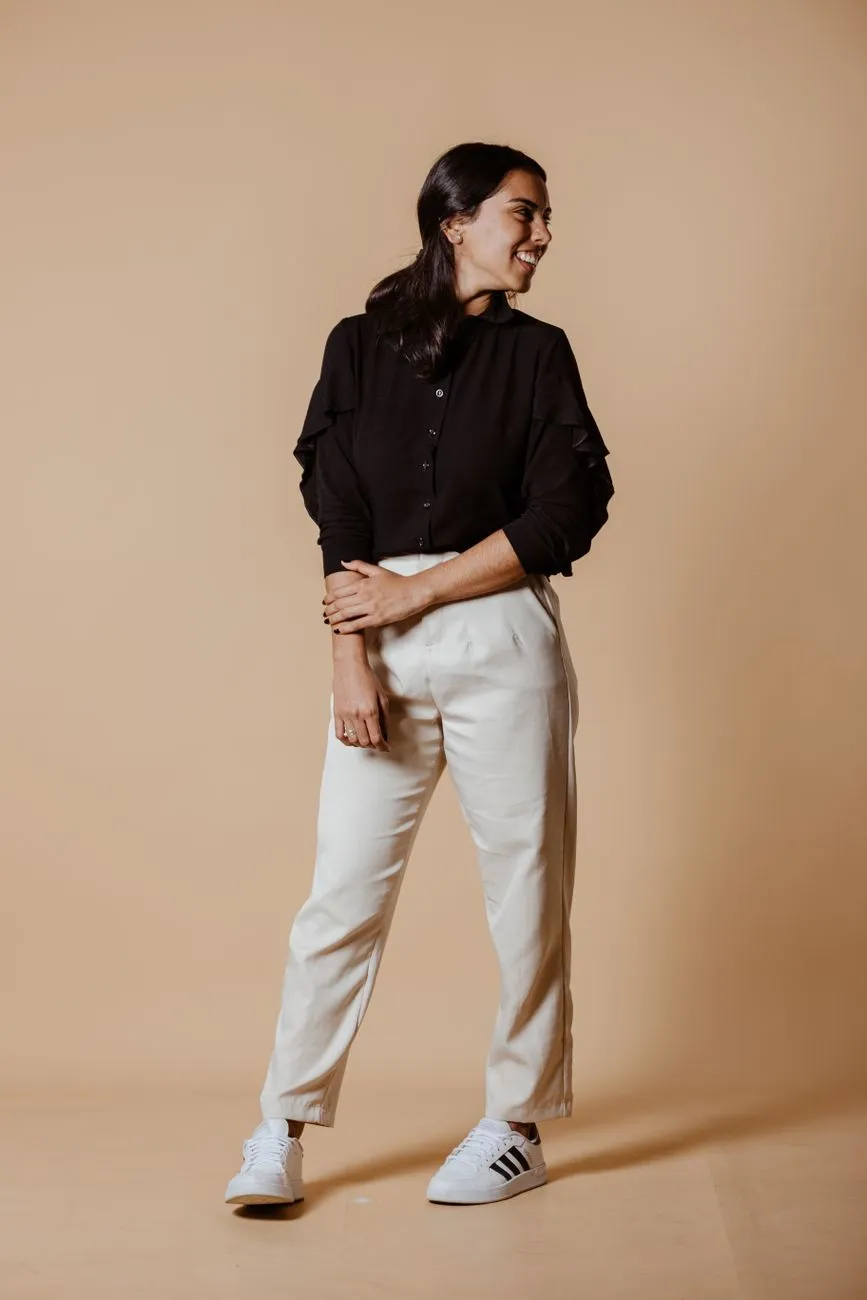
- Office, complementary: 60% navy trousers, 30% rust silk or cotton blouse, 10% tan loafers and a dark brown belt. The rust gives navy life without being loud.
- Monochrome neutral: 60% camel wide-leg trousers, 30% cream cotton or cashmere crewneck, 10% dark brown leather belt and matching loafers. Vary the textures so it feels rich rather than flat.
Men
- Smart casual, 60-30-10: 60% navy chinos, 30% white oxford shirt, 10% rust leather belt or burgundy sneakers. A simple white shirt anchors the accent.
- Analogous weekend: 60% olive chinos, 30% mustard or ochre crewneck, 10% tan canvas shoes. Olive and mustard sit close enough on the wheel to feel relaxed.
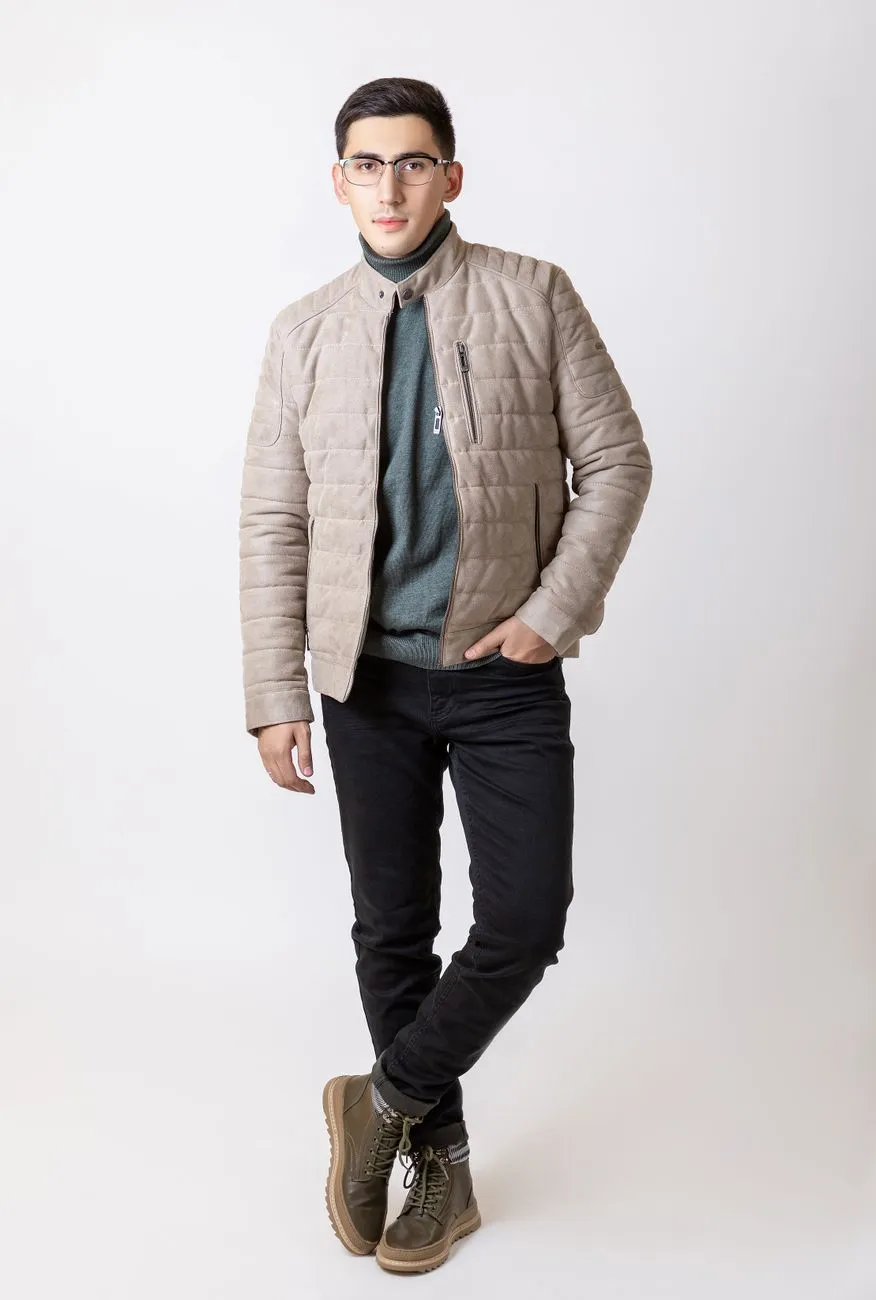
- Monochrome grey: 60% charcoal wool trousers, 30% light grey knit, 10% black leather shoes and a dark watch strap. Mix textures: wool, cotton, leather.
For more denim-based combinations, What to Wear with Jeans has ideas by wash and cut.
Common mistakes and how to fix them
Too many bright colours at once. If several pieces are strongly saturated, nothing gets attention. Fix: keep one bright piece and neutralise the rest.
Equal blocks of two strong colours. A bright red top with bright green trousers can feel lopsided. Fix: make one side dominant, soften one colour, or add a neutral layer to break it up.
Forgetting texture in monochrome. All-grey can look flat without contrast. Fix: mix matte knitwear with smooth leather or structured cotton.
Over-matching every accessory. Shoes, bag, belt and hat in the exact same shade can look rigid. Fix: let accessories be the 10 percent accent, not a matching set.
Relying on black as the only neutral. Black works, but navy, cream, camel or grey can open up more combinations, especially in daylight. Fix: build one alternative neutral into your wardrobe and test it with your usual pieces.
A practical way to test a new colour combination is to see it on your own body rather than just on a hanger. Macgi works in the phone browser with no app: upload or take one full-body photo on your phone, try a top, a top with trousers, or a dress, and get a preview in about 15–40 seconds. It changes only the clothes, so your face, body shape, skin tone, pose and background stay the same. That makes it easier to judge whether a colour pair actually suits you before buying.
FAQ
What is the easiest colour combination for beginners?
Start with one neutral anchor and one colour. For example: navy, white and tan; grey, white and olive; or cream, camel and black. In 60-30-10 terms, that often means 60 percent neutral, 30 percent secondary neutral, and 10 percent accent colour.
Does skin tone matter when colour matching?
It can affect how a colour looks near your face, but it does not have to be complicated. Hold a top up in natural light. If the colour makes your face look brighter, it is working for you. If it makes you look tired or washed out, try a softer or deeper version of the same hue.
Can I wear colours that are not on the colour wheel together?
Yes. Neutrals, near-neutrals and muted shades often work outside a strict wheel relationship. Fabric, proportions and confidence matter as much as hue. The wheel is a tool, not a scorecard.
Can I mix patterns with the 60-30-10 rule?
Yes. Treat the pattern as one colour slot. If a patterned shirt contains navy, white and rust, let one of those colours repeat somewhere else as an accent, and keep the rest of the outfit neutral.
Can AI try-on help me colour match before buying?
It can help you preview a combination on your own photo. Macgi changes only the clothes, leaving your face, body shape, skin tone, pose and background unchanged. Your photos are used only for your own try-on images; they are never posted, shared, used for ads, or used for AI training. The temporary copy sent to the AI is deleted within 24 hours. Remember that try-on images are AI previews, so sizing still needs the store’s size chart. For a step-by-step approach, read Try On Clothes Online Before Buying.