Macgi
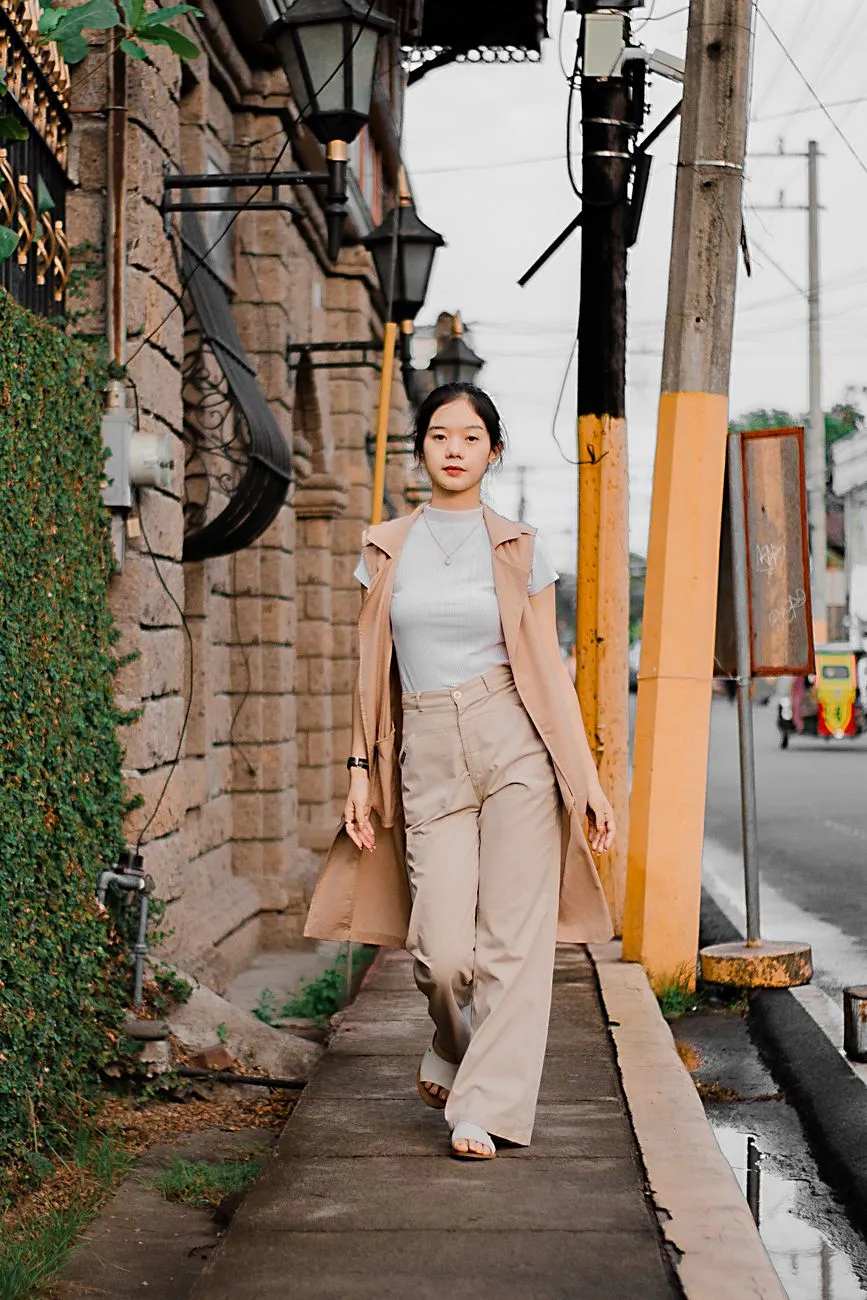
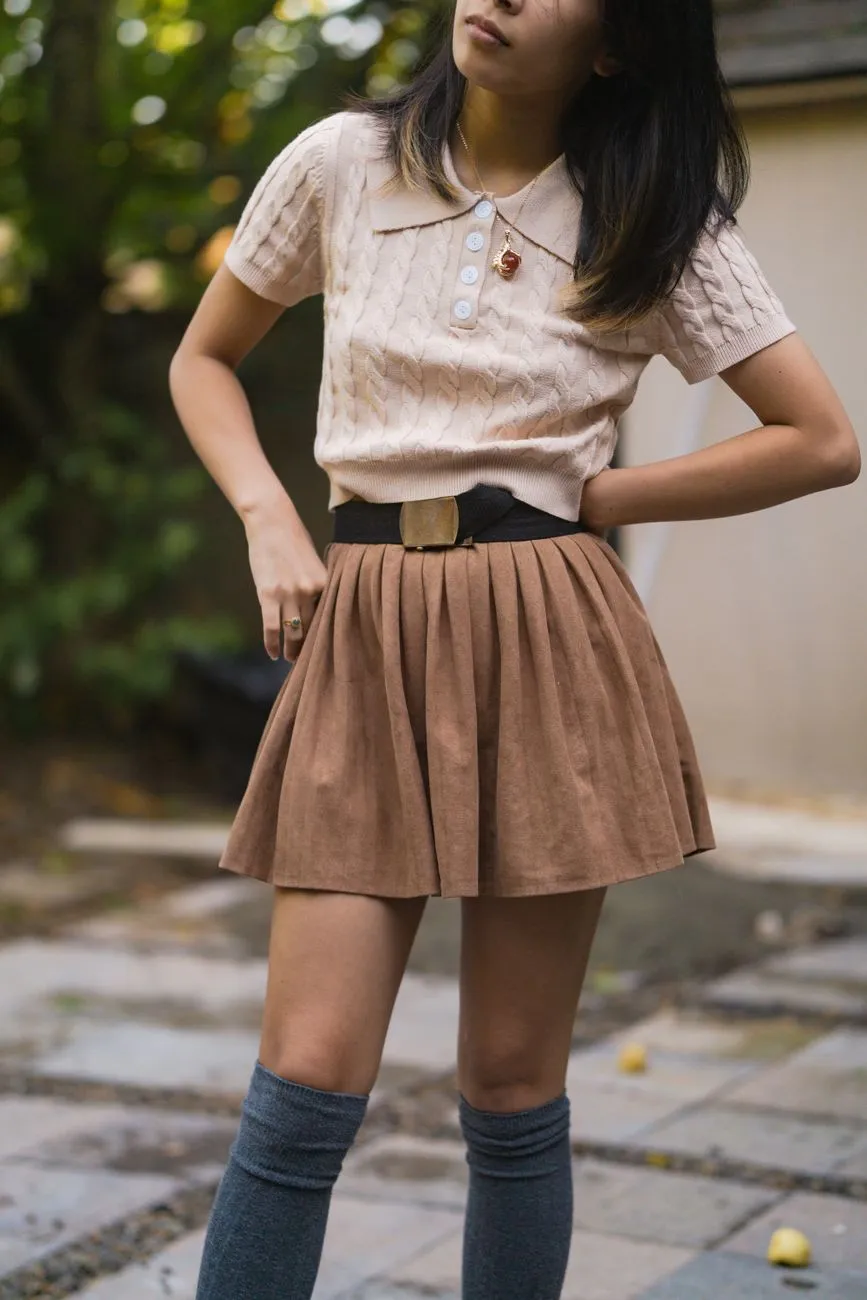
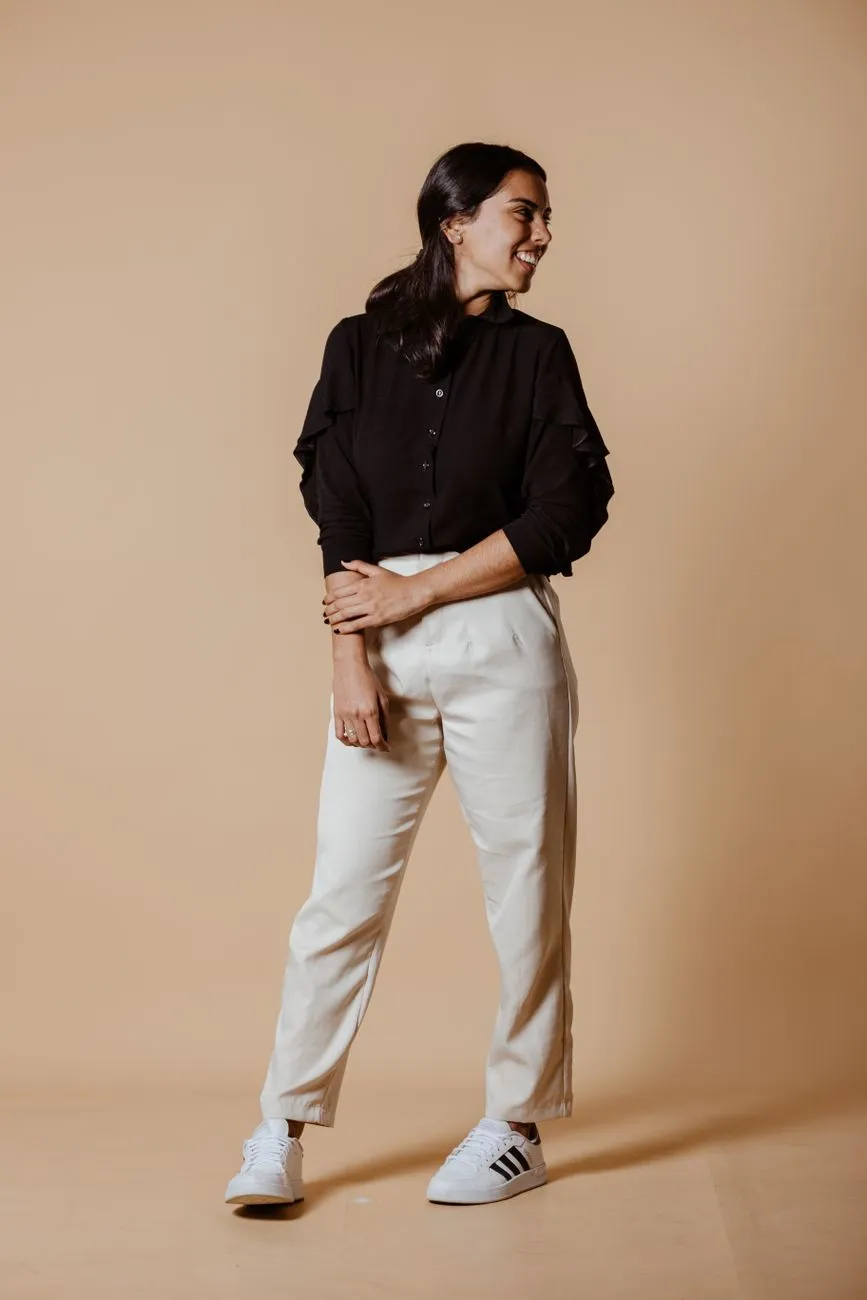
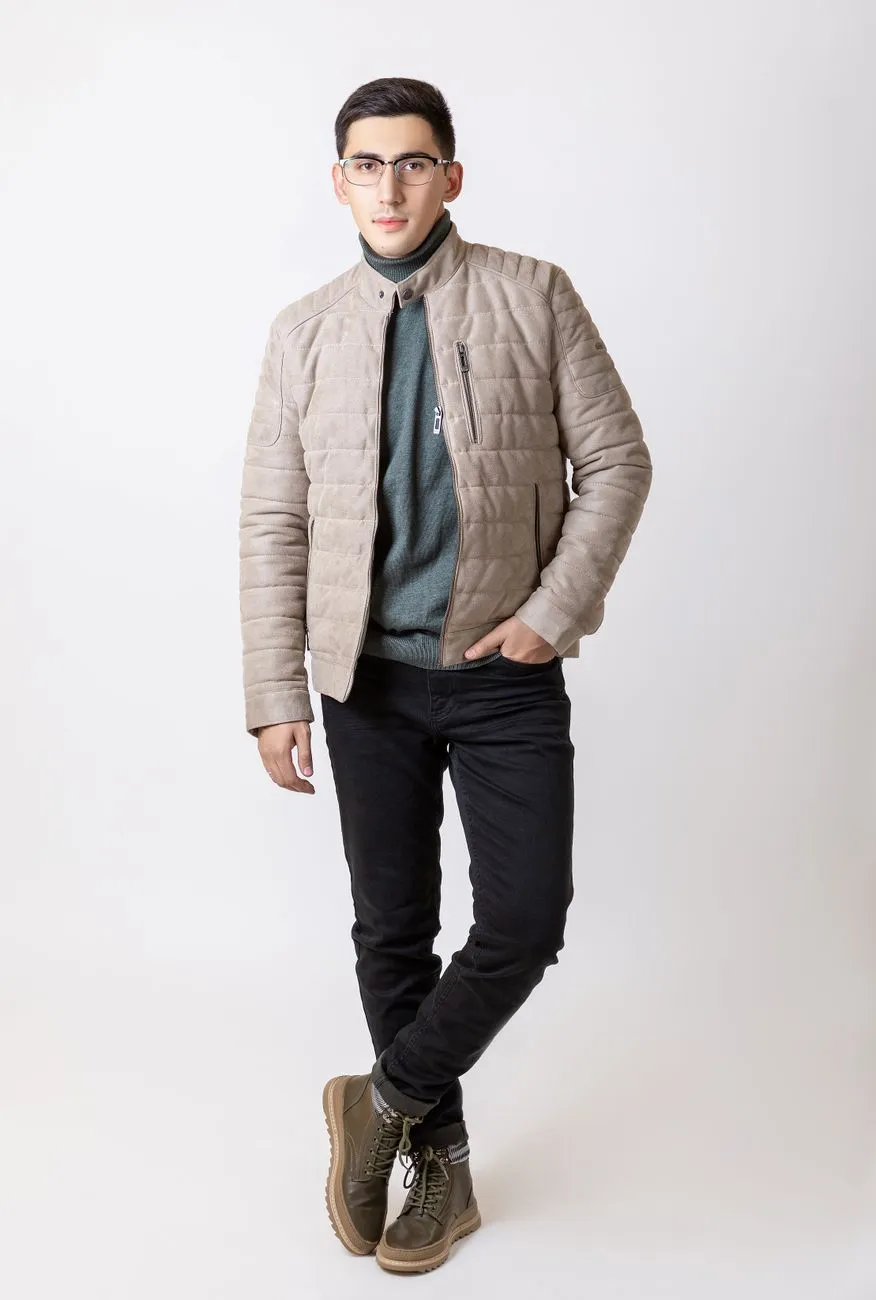
A travel capsule is not about wearing the same bland outfit every day. It is about giving yourself 10–15 pieces that all work together, so you can pack light and still dress for weather, walking, dinners and photos. The most useful travel capsules follow one rule: every top should go with at least two bottoms, every bottom should go with at least two tops, and every layer should work over almost everything.
This guide walks through a 10–15 piece base, what to pack for different climates, a day-by-day outfit grid, and how to test the looks before you go.
Why a 10–15 piece capsule works
Too few pieces get repetitive. Too many pieces make your bag heavy, your hotel bed messy and your outfit decisions slower. A 10–15 piece core gives you enough variety without too much noise.
The key is coordination, not just limitation. If every piece shares a similar colour family and cut direction, a 12-piece capsule can cover a week of travel without feeling like a uniform. You still get variety through different combinations, accessories and layering.
If you have never built a capsule before, start with a simple base rather than buying everything at once. The method in this step-by-step capsule wardrobe guide works just as well for travel as it does for your everyday wardrobe.
The 12-piece core formula
This is a practical skeleton. Underwear, socks, sleepwear, swimwear and accessories are not counted in the 10–15 pieces.
Tops: 4 pieces
A balanced top row looks like this:
- One plain short-sleeve tee or linen top in a light neutral: white, cream, ecru or oat.
- One long-sleeve striped or subtly patterned top. Horizontal stripes are easy to dress up and down.
- One lightweight knit or fine merino crewneck. It layers under a jacket and works on cool evenings.
- One button-up shirt or relaxed overshirt. It can be worn open over a tee, tucked into trousers, or tied at the waist for a different silhouette.
Bottoms: 3 pieces
- One dark trouser in a straight, tapered or wide-leg cut. Black, navy, chocolate or dark olive all work.
- One pair of dark or mid-wash jeans. Choose a cut you can walk in comfortably all day.
- One warm-weather bottom: tailored shorts, a midi skirt, or linen-blend trousers depending on your style and destination.
If you prefer skirts or dresses, swap the shorts for a midi skirt. For men, tailored shorts are the easiest third bottom. For women, a midi skirt or wide-leg linen trouser adds more evening options.
Layers: 2 pieces
- One structured layer: a denim jacket, chore coat, cardigan or light blazer.
- One packable weather layer: a thin rain shell, windbreaker or quilted vest.
For cold trips, the structured layer can be a thicker wool or fleece jacket, but keep at least one layer thin enough to fold small.
Shoes: 2 pairs
- One clean, comfortable walking shoe: a minimal sneaker, trail sneaker or supportive loafer.
- One lighter or dressier option: a leather sandal, ballet flat, loafers or espadrilles depending on the climate.
Shoes are the heaviest items in most bags. Two pairs is the sweet spot for a trip under two weeks. If you need a third, choose something packable.
One season-specific piece
This is your flex slot. In a hot climate it could be a linen dress or camp-collar shirt. In a cold climate it could be a thermal base layer. In a mixed climate it could be a swimsuit or a smarter top for evening.
Total: 4 tops + 3 bottoms + 2 layers + 2 shoes + 1 season piece = 12 pieces. Add up to three extra pieces only if they serve a clear purpose, such as a second knit for cold weather, a dress you will wear twice, or a spare pair of trousers for a formal event.
Packing list by climate
The core pieces stay similar, but the fabrics and weights change.
Warm or tropical
Pick breathable fabrics: cotton, linen, Tencel, lyocell and lightweight viscose. Avoid thick denim, synthetic knits that trap heat, and very dark black clothing that absorbs sunlight.
A 12-piece warm-weather list may look like:
- Linen short-sleeve shirt or tee
- Lightweight striped top
- Fine cotton knit or cardigan for air-conditioned rooms
- Camp-collar or relaxed button-up
- Linen or cotton shorts
- Wide-leg linen trousers
- Light midi skirt or dress
- Denim jacket or thin cardigan
- Packable rain shell
- Minimal sneaker
- Flat sandal
- One smarter evening piece
Cool or temperate
Layering matters more than any single heavy item. Use a merino or cotton-blend knit as your mid-layer and a water-resistant jacket as your outer layer.
- Long-sleeve tee
- Thin merino crewneck
- Button-up or overshirt
- Second knit or cardigan
- Dark jeans
- Tapered wool-blend trousers
- Midi skirt or tailored shorts depending on your preference
- Denim jacket or light blazer
- Packable rain shell or windbreaker
- Clean sneaker
- Loafers or ankle boots
Cold or alpine
Cold packing is harder within 15 pieces because jackets and boots take up space. Prioritise layers, not bulk: a thermal base layer, a mid-layer, and an outer shell will keep you warmer than a single heavy item. For more on choosing an outer layer, see this guide to winter jacket types and what they are best for.
A 15-piece cold list:
- Two long-sleeve base layers
- Two knits or one knit plus one fleece
- Button-up shirt
- Dark jeans
- Wool-blend or thick cotton trousers
- Thermal leggings for layering
- Insulated jacket or puffer
- Waterproof shell
- Warm scarf
- Wool beanie
- Waterproof walking boots
- Clean sneaker or dressier shoe
- One warm dress or smart trousers for indoor evenings
- One spare base layer
 Photo: Ondosan Sinaga / Pexels
A 5-day outfit grid from one 12-piece capsule
Here is an example using one neutral palette: white, navy, beige and a soft accent like sage or rust.
| Day | Outfit | Why it works |
|---|---|---|
| Day 1 | White tee + dark wide-leg trousers + denim jacket + sneakers | Comfortable for travel day; layers handle airport air-con |
| Day 2 | Striped long-sleeve top + dark jeans + cardigan + loafers | Relaxed but neat enough for sightseeing and dinner |
| Day 3 | Midi dress + denim jacket + sneakers | Easy to walk in; jacket adds structure if evening cools |
| Day 4 | Button-up shirt open over white tee + tailored shorts + sandals | Breezy but polished; works for brunch or a museum |
| Day 5 | Light knit + dark trousers + rain shell + sneakers | Good for changing weather and long transfer days |
The trick is not to think of each day as a new outfit from scratch. You are rebuilding the same pieces in different combinations. A white tee worn on day one can reappear under a cardigan on day four. A pair of dark trousers can shift from day to evening with a change of shoes.
How to choose pieces that actually travel well
Stick to two neutrals and one accent
A simple colour palette prevents the “nothing matches” problem. Start with two neutrals that look good together, such as cream and navy, black and beige, or olive and grey. Add one accent colour or one print for personality. Neutral bottoms are the easiest to re-wear without people noticing repeats.
For more on building a palette that works, this guide on colour matching with neutrals and the 60-30-10 rule is a good place to start.
Choose fabrics that recover and dry
Wrinkles are part of travel, but some fabrics handle them better. Linen wrinkles easily but looks intentional and dries fast. Blends with Tencel, lyocell or a small amount of elastane travel better than 100% stiff cotton. Avoid fabrics that hold odour or take two days to dry unless you have laundry access.
Avoid pieces that only work in one context
A swimsuit is fine, but a cover-up that cannot double as a skirt or shirt is maybe less useful. Tailored shorts that work for both a beach town and a city lunch earn their place. A dress that needs only one specific pair of shoes may be harder to style on a trip.
Consider your actual body and comfort
Travel involves walking, sitting on trains, and eating more than usual. If you feel more comfortable in a looser waistband, choose an elasticated or drawstring trouser in a structured fabric. If you want a longer leg line, keep bottoms and shoes in a similar tone. If you prefer a defined waist, a tucked or half-tucked top does the work without extra pieces. Choose what makes you feel comfortable in long stretches, not just what looks good in a mirror.
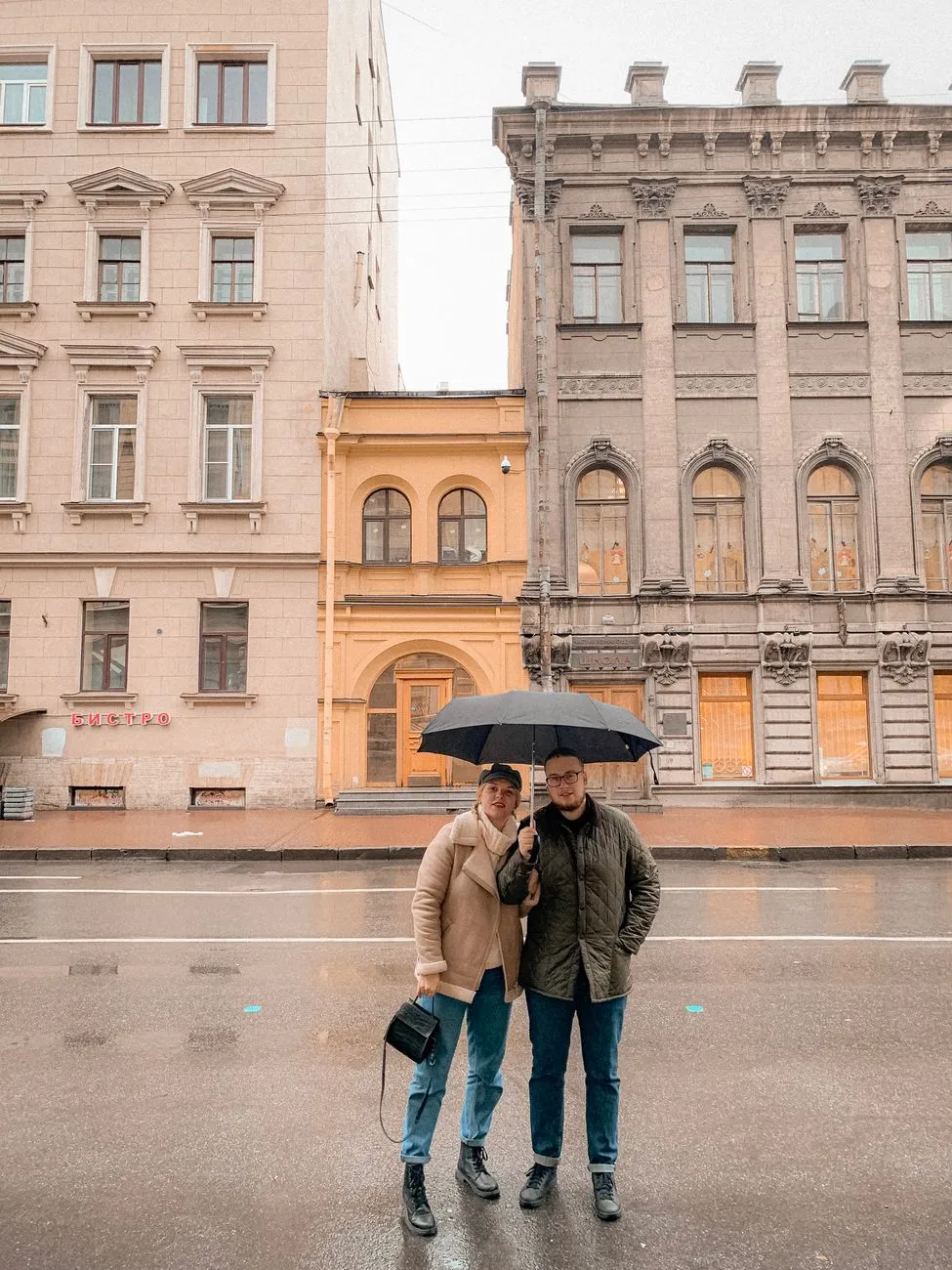 Photo: Анна Галашева / Pexels
Try your travel capsule before you pack
Instead of spreading everything on the bed and guessing, you can test how a top, a dress, or a top-and-trousers combination looks on your actual body. This is where Macgi is useful.
Take or upload one full-body photo in your phone browser, choose a piece to try, and the AI shows the result in about 15–40 seconds. Macgi keeps your face, body shape, skin tone, pose and background, and changes only the clothes. It does not edit your body. Your photo is used only for your own try-on images—never posted, shared, used for ads or AI training—and the temporary copy sent to the AI is deleted within 24 hours.
The result is a useful preview, not a guarantee of exact fit. Sizing still needs the store’s size chart. But for a travel capsule, it helps you see whether that new linen overshirt will actually work with the trousers already in your bag. If you want a longer breakdown of how to test pieces before buying, this guide on trying on clothes online before buying covers the process step by step.
FAQ
How many shoes should I pack in a travel capsule?
Two pairs is the most useful default. One should be comfortable enough for long walks, and the other should cover sandals, loafers or a dressier evening option. If you are hiking or going somewhere very wet, add a third only if you can justify it.
Should I count outerwear in the 10–15 pieces?
Yes. Jackets, coats, overshirts and cardigans take up space and affect your combinations. Count them honestly so your capsule stays realistic.
Can I use a travel capsule for a work trip?
Yes. Swap the denim jacket for a blazer or dark cardigan, choose one smart trouser instead of shorts, and keep colours neutral. A button-up shirt, knit, blazer, dark trousers and clean sneakers or loafers can cover most smart-casual work settings.
What if my trip has both warm and cold cities?
Pack in layers rather than extreme pieces. A thin thermal base layer, a light knit, and a packable rain shell or quilted jacket can handle a wide range. Wear the bulkiest items on travel days so they do not take up bag space.
Do I need to buy a whole new capsule?
No. Most people already own 60–70% of a travel capsule. Start with one dark neutral bottom, two plain tops, one layer and one pair of comfortable shoes. Build outward only as you find gaps.