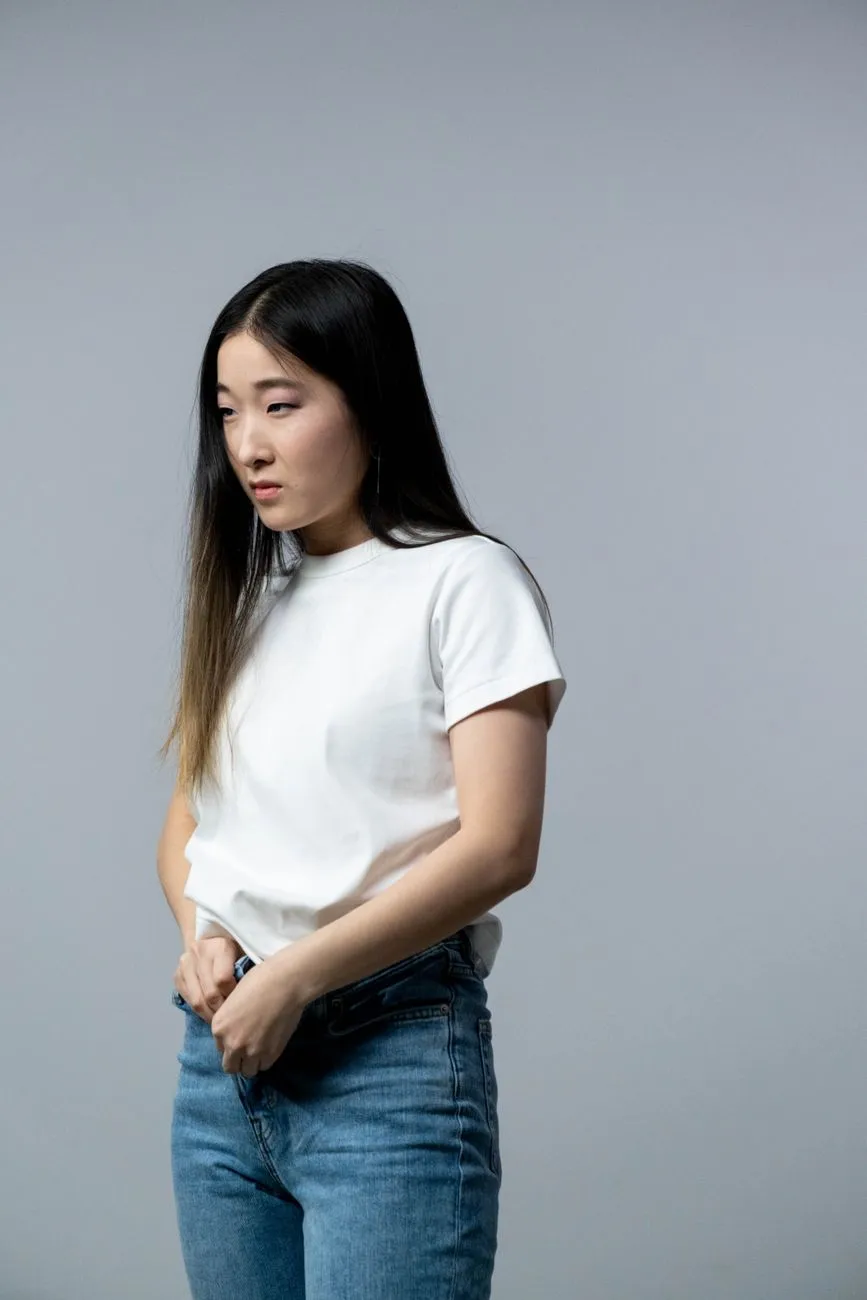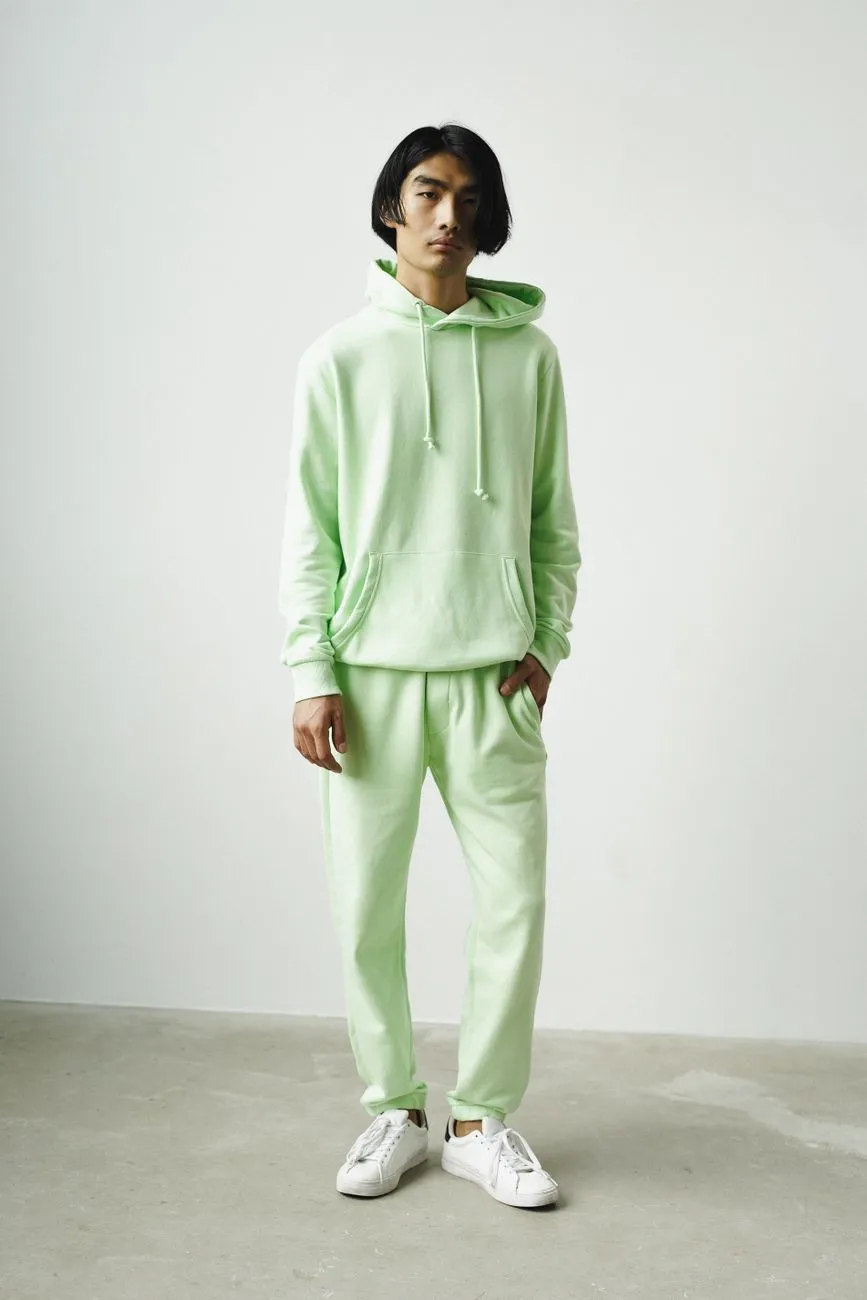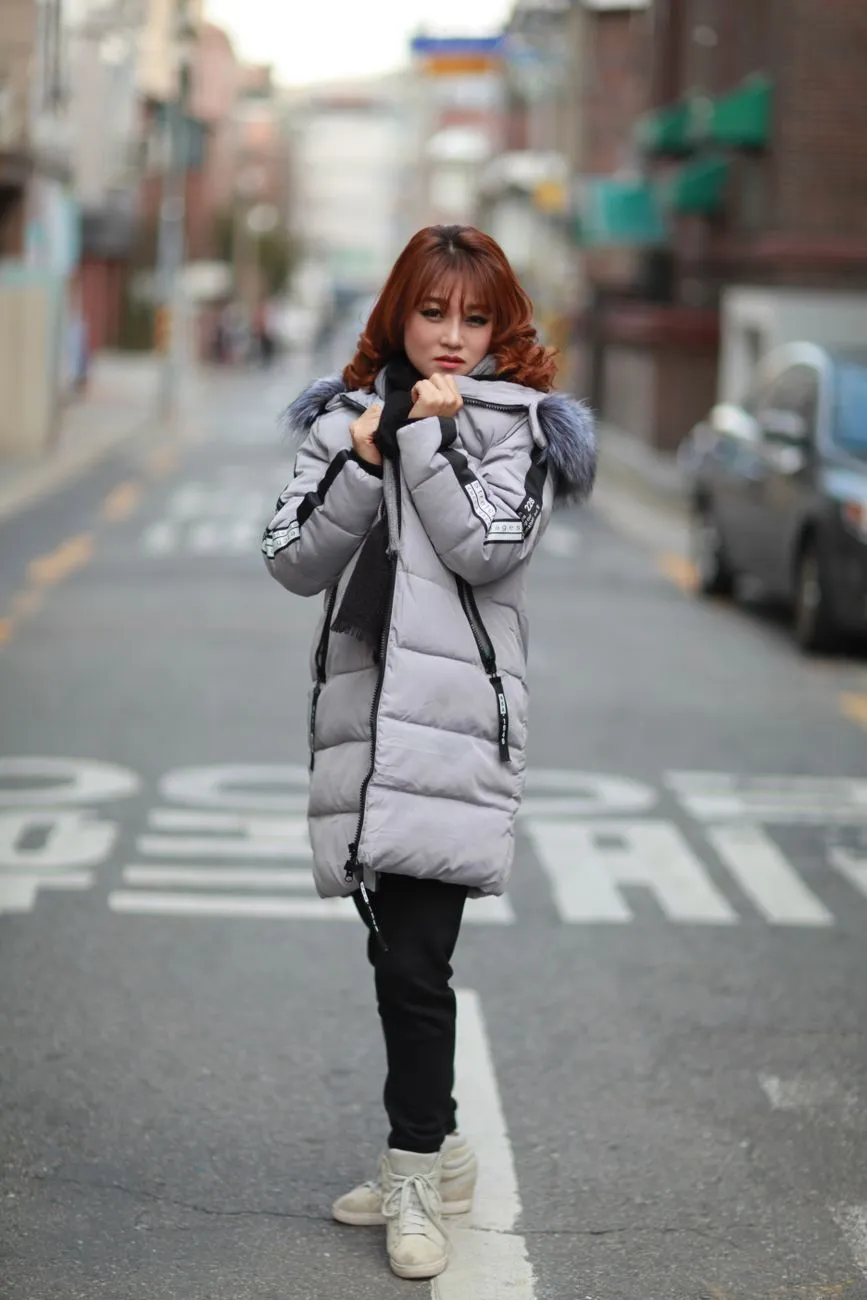
“Winter” means very different things depending on where you live. Some cities see damp, windy cold that drops below 10°C for weeks, with drizzle that soaks into everything. Mountain towns can get far colder. Other places only have a few chilly mornings at the end of the year. That is why the question “which jacket is warmest?” matters less than “which jacket suits where I live, how I get around and what I wear underneath?” This guide compares the four most common winter jacket types for men and women, with styling ideas, sizing advice and care tips.
Before you choose: three questions to ask yourself
- How do you get around? If you ride a bike or scooter every day, blocking the wind is your top priority, because wind chill on the move makes you feel much colder than the thermometer says. If you walk, take public transport or drive, insulation and looks matter more.
- How long are you outside? Ten minutes from your door to the office is very different from standing at a bus stop or spending a morning at an outdoor market.
- What do you wear underneath? Offices and classrooms are usually heated. If you take your jacket off indoors, the layer underneath needs to look good on its own.
Once you have answered these, you will often find you need one main jacket and one versatile mid-layer, not a whole rack of coats.
Four common winter jacket types
Each type has its strengths. Here they are compared on warmth, packability, who they suit and how to style them.
Windbreaker
- Warmth: low for a single-layer shell; it mainly blocks wind and light drizzle. Versions lined with fleece or faux shearling are much warmer.
- Packability: excellent. Light enough to fold into a bag or under a scooter seat.
- Best for: daily riders, chilly but not freezing days, transitional seasons, and people in warm climates who need something for early mornings.
- Styling: over a tee or hoodie, with joggers, jeans or chinos. Women can wear a cropped windbreaker with a long skirt and sneakers for a sporty look.
When choosing one, check for a drawstring hood, elastic or Velcro cuffs and a drawstring hem. Those three details decide whether it actually keeps the wind out when you are moving.
Puffer jacket
- Warmth: the highest of the four, excellent in hard cold. Down is lighter and warmer than synthetic fill at the same thickness, but synthetic fill copes better with damp and is easier to wash.
- Packability: bulkier. Hip-length puffers are easier to live with, especially on a bike; knee-length ones are warmest but awkward to sit in.
- Best for: genuinely cold winters, long walks outdoors, trips to the mountains.
- Styling: a short puffer with straight-leg trousers or a long skirt to balance the volume; a long puffer with slim trousers, thick leggings and tall boots.
A tip for body shape: if you are petite, choose a puffer that is short or mid-thigh length, with narrow baffles and a solid colour. Wide baffles and shiny fabric make the body look bigger. Tall, slim people, on the other hand, carry a chunky puffer very well.
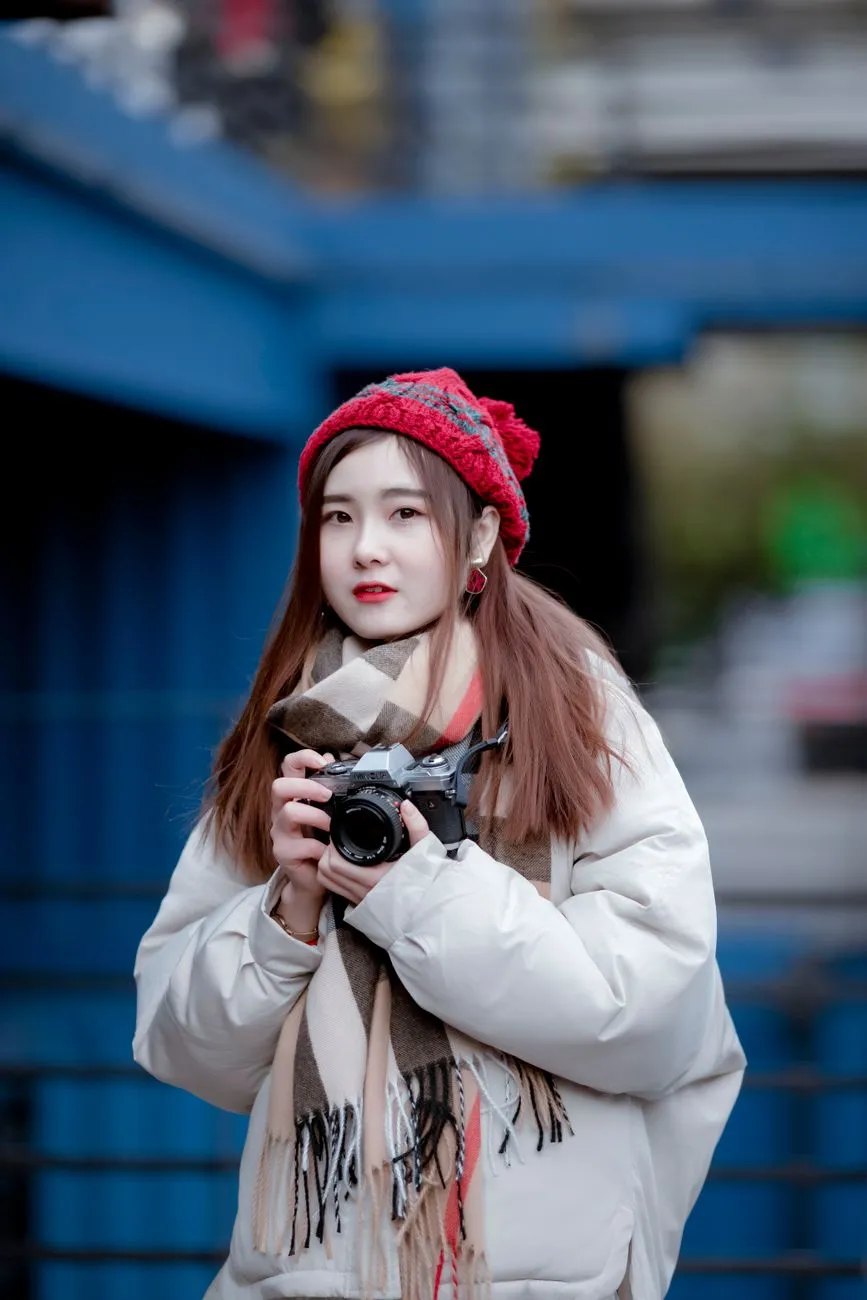 Photo: Huy Hoàng Tran / Pexels
Fleece, hoodie and knitwear
- Warmth: moderate, and much warmer when worn as a mid-layer.
- Packability: moderate; easy to wash and dry.
- Best for: school, the office, mildly cold days; as a mid-layer under a windbreaker or puffer when it is properly cold.
- Styling: a hoodie with joggers for a sporty look; a sweater or crew-neck knit with a long skirt and boots for a softer look; a roll-neck under a blazer for work, for men and women alike.
Sweatshirt fabric comes in two common types: brushed fleece-back (fuzzy inside, warmer) and French terry (looped inside, more breathable). Brushed fleece suits the coldest weeks; French terry suits the start and end of the season.
Wool coat
- Warmth: good, especially with a high wool content and a lining. A thin wool coat blocks wind less well than a windbreaker or puffer.
- Packability: heavier and does not fold small.
- Best for: office days, end-of-year parties, walking around the city; anyone who wants to look polished in the cold.
- Styling: a long coat with tailored trousers and leather shoes, or with a roll-neck and a long skirt. Men can wear a hip-length wool jacket with a shirt, a fine knit and chinos.
A wool coat is not ideal if you ride long distances every day: the long hem catches the wind and dirt, and wool soaks up drizzle. If you love wool, throw a thin windbreaker over it for the ride and take it off when you arrive.
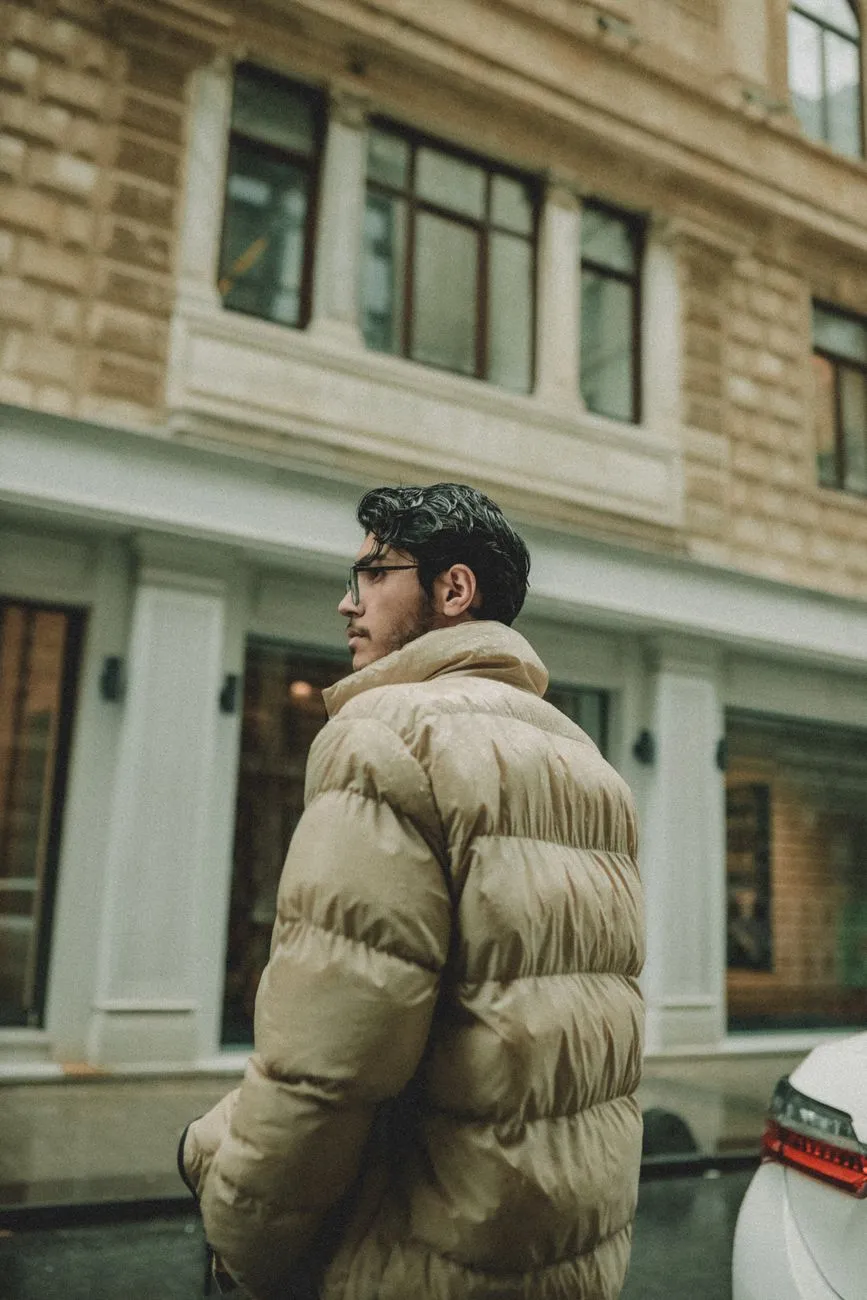 Photo: Furknsaglam / Pexels
Quick guide by need
| You need | Choose |
|---|---|
| Daily bike or scooter commute, chilly weather | Lined windbreaker |
| Hard cold, lots of walking | Puffer jacket |
| Something to wear indoors at school or work | Fleece, hoodie or knitwear |
| A polished look for the office | Wool coat or a heavy blazer with a knit |
| A few days in the mountains | Short puffer + thin knit underneath |
| One jacket for every kind of weather | Windbreaker outside + hoodie inside |
How to layer
Several thin layers are warmer and more flexible than one very thick layer, because the air between them traps heat and you can remove one when you go indoors.
- Base layer: a thermal top or a fitted long-sleeve tee that wicks moisture.
- Mid-layer: a sweater, fleece or thin puffer vest.
- Outer layer: a windbreaker, puffer or wool coat, depending on how cold it is.
Do not forget a scarf, gloves and thick socks. Your neck, hands and feet lose heat fastest, especially when you are riding.
Choosing size and length
- Go a little roomier than your usual tops. A jacket needs space for what goes underneath. If you plan to wear a hoodie or thick knit inside, size up once or choose a style labelled relaxed fit.
- Check the shoulders and sleeves. The shoulder seam should sit on or slightly below your shoulder bone; sleeves should reach your wrist bone with your arms straight and not ride up when you hold handlebars.
- Raise your arms and sit down. The jacket should not pull across the back or expose your stomach when you reach forward.
- Match length to height: shorter people suit hip-length or mid-thigh jackets; below-the-knee coats work best with boots or shoes with some height.
- Measure a jacket you already own. Comparing its chest, length and sleeve measurements with the store’s size chart is more accurate than comparing S, M or L between brands.
If you have a rectangle body shape and worry that a puffer makes you look boxy, rectangle body shape outfits has tips for creating a waist with belts and jacket length.
Caring for your jacket through the season
- Puffers: read the care label first. Most should be washed gently in cold water with a mild detergent and no strong softener. Dry flat or in the shade, patting the fill to loosen it as it dries.
- Wool coats: brush off dust with a soft brush after wearing and hang on a wide, shaped hanger to keep the shoulders in shape; dry-clean if the label says so.
- Fleeces and knits: turn inside out to wash, do not wring hard, and dry flat so they do not stretch.
- Storing at the end of winter: wash, dry completely, store in a breathable cotton bag with a moisture absorber. In humid climates a jacket put away even slightly damp can go mouldy.
FAQ
Do I need a puffer if I live somewhere warm?
Usually not, unless you travel to colder places. A thin windbreaker or a denim jacket is enough for chilly mornings and air-conditioned rooms.
Is a long or short puffer better for women?
There is no single answer. Short puffers are easier on a bike and suit petite frames; long ones are warmer when walking and standing outside. If you only buy one, mid-thigh length is a good compromise.
What colour winter jacket should men choose?
Black, navy, olive, beige and charcoal are easy to pair with jeans, chinos and tailored trousers, and they hide dirt well. If you already own a dark jacket, a beige or cream one will brighten a winter wardrobe.
How can I tell whether a jacket suits my shape before buying?
The volume of a puffer and the length of a wool coat are hard to judge from a model photo. With Macgi, you upload one full-body photo and choose the jacket you are looking at, and in about 15 to 40 seconds you see yourself wearing it, right in your phone browser. The try-on image is an AI-generated preview for checking cut and colour; for sizing, you still need the store’s size chart. If you are wondering how close the preview is to reality, read is AI try-on accurate?.