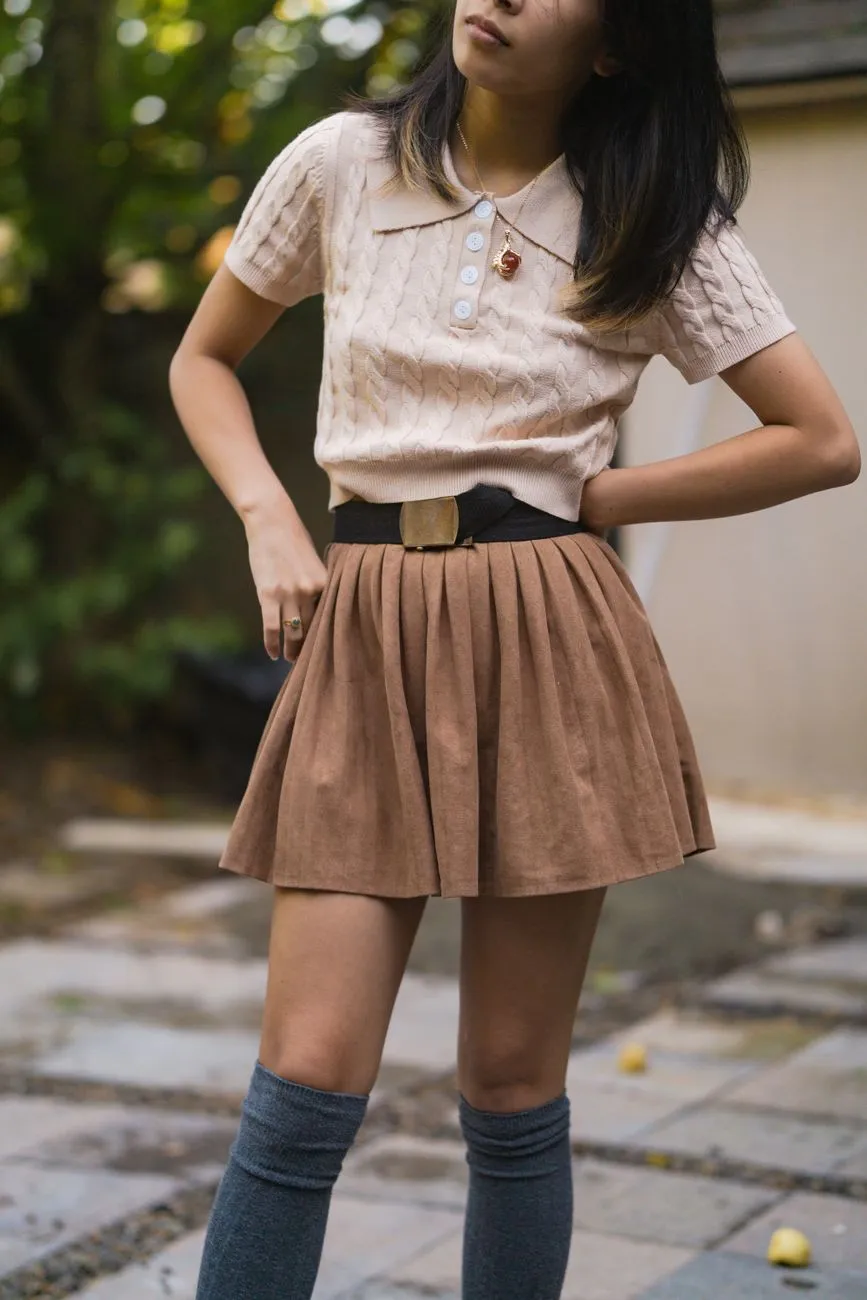
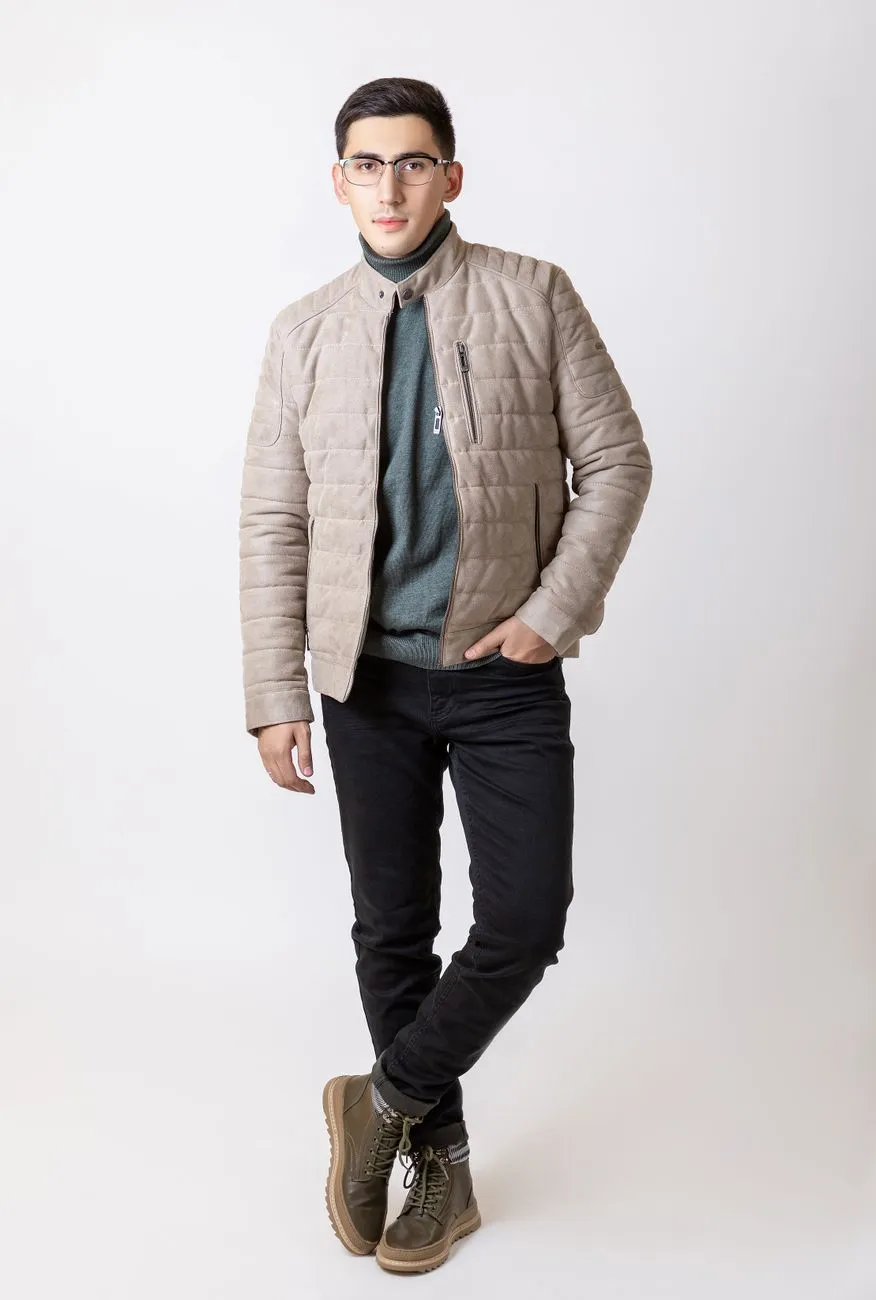
Macgi

A capsule wardrobe is often sold as a strict list of 20 or 30 pieces. Strict lists rarely survive contact with real life, because your day might start with a school run, include a video call, and end at dinner with friends. The better question is not only “How many items?” but “How do I make everything in my wardrobe work together?”
This guide walks through building a capsule step by step: defining your actual routine, choosing a colour palette, mapping core pieces, settling on a realistic item count, and testing outfit combinations before you commit.
What a capsule wardrobe is (and what it isn’t)
A capsule wardrobe is a small, coordinated collection of clothes and shoes selected for a specific period, such as one season or one work cycle. The point is that most pieces can be mixed and matched, so you spend less time choosing and more time wearing.
It is not a uniform. It does not have to be all beige, all black or all minimalist. It is also not a fixed number that works for everyone. Some people thrive with 25 pieces, others with 40.
The real benefit is practical: a smaller wardrobe means fewer decisions, less laundry pressure and a clearer sense of what actually suits you. It can also make packing much easier, because you already know which pieces go together.
Step 1: Define your real life, not an imagined one
Count your actual weeks
Before adding or removing anything, spend one to two weeks noticing what you actually wear and why. Divide your time into rough categories: paid work, commuting, home, errands, exercise, social plans and formal events.
For example, if you work from home four days a week, your capsule needs fewer stiff formal shirts and more soft structured knit tops. If you attend a wedding or big event only once or twice a year, one dressy outfit is usually enough. This is not about restricting yourself. It is about matching your wardrobe to the life you already have.
Set a weather window
Decide whether your capsule is for one season, a hot-humid period, a rainy spell, or a year-round temperate climate. This changes your outerwear and fabrics.
In a tropical or very hot setting, layering may mean a light cardigan for air-conditioned rooms rather than a wool coat. In a four-season climate, you may build two capsules or choose lightweight knits that can layer under a heavier coat. If your weather changes within the same week, plan for that rather than pretending it will be consistently cold or warm.
Be honest about fabrics and care
If you do not iron often or avoid dry cleaning, choose wash-and-wear pieces. That is not a style failure. It is a wardrobe that fits your routine.
Look for easy-care fabrics such as cotton, cotton blends, linen, soft jersey and some knit structures. Avoid delicate materials that need special handling unless you genuinely enjoy caring for them. A beautiful shirt you never wear because it needs ironing is not a capsule piece.
Step 2: Choose a colour palette that works for you
Start with neutrals
Choose three or four neutrals that look good near your face and that already appear in your most-worn clothes. Common bases include black, white, off-white, navy, grey, camel, brown and olive.
You do not need to pick the same neutrals as anyone else. If you have a warm skin tone, brown, camel, cream and olive may feel easier. If you lean cool, navy, grey, black and white may feel more natural. These are starting points, not rigid rules.
Add one or two accent colours
Choose accent colours you actually reach for in real life, not colours you only admire on other people. This could be rust, soft blue, green, burgundy, mustard, pink or anything else.
One or two accents are enough. You can carry them through tops, a scarf, one pair of shoes or a bag. Keeping the accent count small makes outfits feel intentional.
Use the 60-30-10 rule
A useful formula is to keep around 60% of your clothes in base neutrals, 30% in secondary colours that bridge neutrals and accents, and 10% in stronger accent pieces. This is a flexible device, not a law.
For example: navy trousers, a white T-shirt, a camel cardigan and a red bag. Neutral, soft bridge, then one clear accent. If you want more detail on combining colours, see How to Color Match Clothes: Color Wheel, Neutrals, 60-30-10.
Pattern discipline
Allow one or two patterned items in the capsule, and choose patterns whose background matches your neutrals. Stripes, small checks and tonal florals tend to mix easily. Avoid several loud prints unless that is genuinely part of your style. If it is, keep the rest of the outfit simpler so the print can stand out.
 Photo: Alena Darmel / Pexels
Step 3: Map your core pieces (the engine of the capsule)
Before settling on a strict number, list pieces by category. The aim is that each top pairs with at least three bottoms, and each layer works with at least two outfits.
Tops
For a month-long capsule, six to eight tops is a workable starting range:
- Two or three base tees or tank tops in neutrals.
- One or two button-front shirts: one relaxed, one tidier.
- One or two knits or soft sweaters for cool days.
- One top with detail, such as a stripe, a slight texture or an interesting neckline.
If you need more polish at work, add one blouse. Keep activewear separate, because it serves a different function and can muddy the count.
Bottoms
Three to five bottoms usually covers most routines:
- One pair of dark jeans or tailored trousers.
- One pair of lighter or more relaxed trousers or chinos.
- One skirt or shorts, depending on climate and comfort.
- One special bottom, such as wide-leg trousers, an A-line skirt or cargo trousers.
Bottoms are the hardest working part of a capsule. Choose mostly solid colours here. For men, this list may be two pairs of jeans or chinos, one tailored trouser and one casual pair. For women who wear dresses, one versatile midi or knee-length dress can replace one top-and-bottom combination.
Layers
Two to four layers are usually enough:
- One structured blazer or collared jacket for formal or office moments.
- One casual jacket, such as denim, utility or chore coat.
- One soft cardigan or open knit for temperature shifts.
- One weather-specific layer: a rain shell, linen overshirt or padded coat depending on climate.
Shoes
Three to six pairs covers most needs:
- One everyday sneaker or flat you can walk in comfortably.
- One loafer or simple polished shoe.
- One dressier shoe, such as a clean heel, polished boot or minimal smart shoe.
- One weather option: sandals, boots or rain-friendly shoes.
Every shoe should work with at least two bottoms. If a pair only goes with one outfit, it is not earning its place.
Step 4: Decide how many items you actually need
Now add up the categories. A practical range for many people is roughly 20 to 40 wearable items, excluding underwear, loungewear, gym clothes and accessories. But the right number follows your laundry cycle and climate, not someone else’s list.
If you wash weekly
You can manage with fewer pieces: about six to eight tops, three to four bottoms, two to three layers and three to four shoes. That lands around 14 to 19 items. If you want a little more variety or weather flexibility, aim for 20 to 25.
If you wash every two weeks or have variable weather
Aim closer to 25 to 40 items. You will need more tops and bottoms so you are not repeating before laundry day, and more layers to handle temperature swings.
How to avoid the “just one more” trap
Once you have an initial list, write it down. Before adding anything, ask whether it creates at least three new outfits and matches your chosen palette. If it does neither, leave it. This one question does more work than any fixed number.
Step 5: Build outfit combinations before you buy
The three-outfit rule
Every new piece should work with at least three items already in your capsule. A white button-front shirt may go with dark jeans, tailored trousers and under a knit vest. A bright skirt that only matches one top is not a capsule piece unless you already own that top and genuinely love the pairing.
Lay out or photograph your clothes
Take photos of individual pieces and keep them in a note app, or physically lay them on a bed. Build combinations around one bottom and two tops, then switch the outer layer. Ask:
- Can I wear this top with three different bottoms?
- Can these trousers go with casual shoes and smarter shoes?
- Does this layer work over both a T-shirt and a shirt?
This process usually reveals gaps faster than shopping does.
Try combinations visually before buying or reshaping your wardrobe
If you are considering a new piece, see it on you first. Macgi lets you do this in your phone browser, with no app. Upload one full-body photo, then try a top, a top with trousers, or a dress. The AI preview arrives in about 15–40 seconds and keeps your face, body shape, skin tone, pose and background while changing only the clothes. It is not body editing.
The photos are used only for your own try-on images, never posted, shared, used for ads or AI training. The temporary copy sent to the AI is deleted within 24 hours.
This is useful when you want to check whether a new colour or silhouette actually flatters your proportions before spending money. Just remember: the result is an AI preview, not a substitute for the store’s size chart. Sizing still needs the brand’s measurements. For a fuller breakdown, see Try On Clothes Online Before Buying: 5 Steps to Fewer Returns.
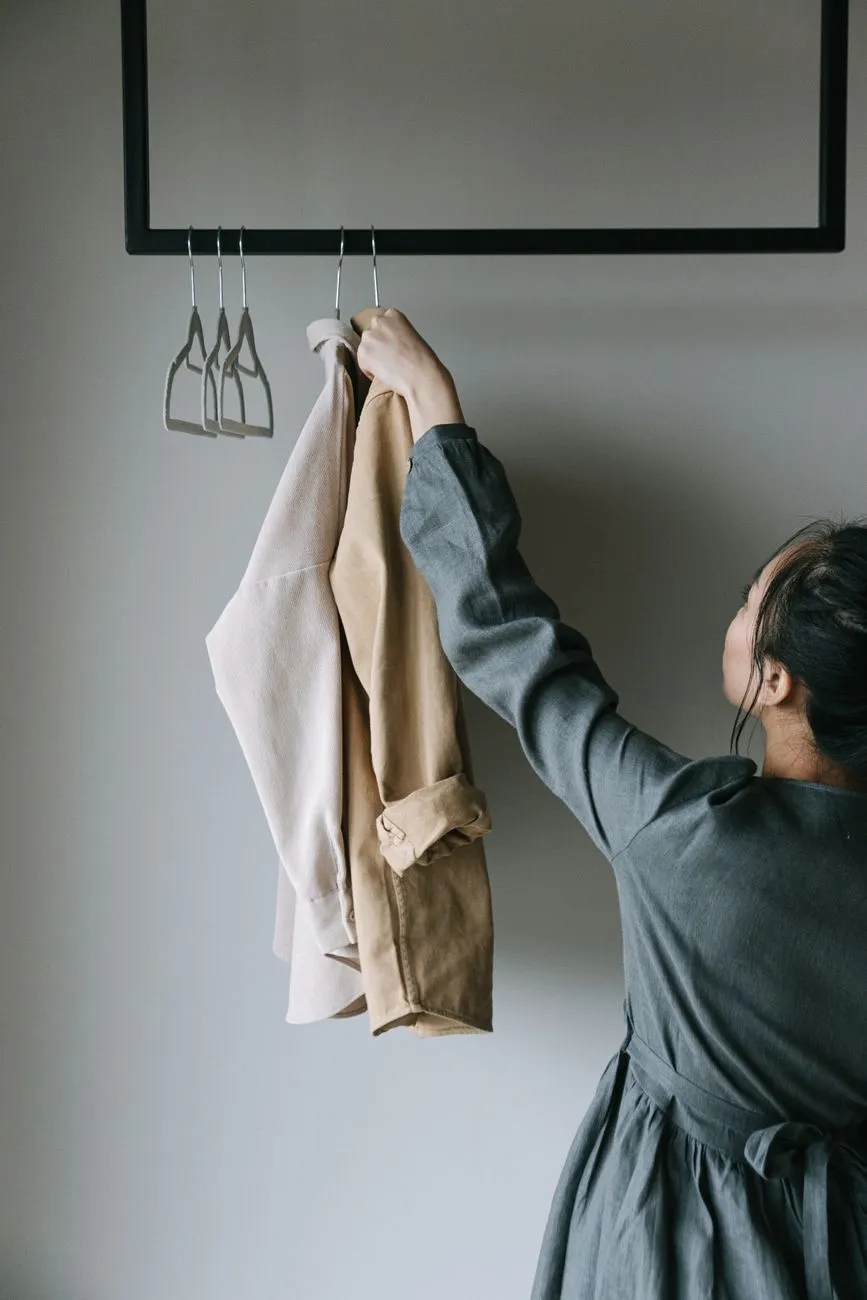 Photo: Ivan S / Pexels
Step 6: Maintain your capsule without drifting
Do a mini-review at the end of each season
Take everything out. Note what you wore and what you avoided. Remove pieces that no longer fit your current life, are damaged beyond repair, or no longer match your palette. Put off-season items in a box so they are not adding visual noise.
Use the one-in-one-out rule
When you bring in a new top, let go of one that served the same function. This keeps the capsule stable without turning it into a rigid numbers game.
Care for what you keep
A smaller wardrobe means each piece gets more wear, so care matters. Follow care labels, mend small issues early, and store knits folded rather than hung. This keeps your most-used pieces looking better for longer.
Common mistakes to avoid
- Building for a fantasy life instead of the one you actually have.
- Choosing only neutrals, which can feel boring after a few weeks.
- Buying multiple colours of the same item before testing whether the style truly works.
- Ignoring proportion when testing combinations. A top that only pairs with one bottom does not earn its place.
- Treating the capsule as static. Your routine changes, and your wardrobe should change with it.
FAQ
How many pieces should a capsule wardrobe have?
A flexible range is 20 to 40 pieces, excluding undergarments, activewear and accessories. The right number depends on laundry frequency, climate and lifestyle. Focus on combination potential rather than hitting a magic number.
Can I build a capsule wardrobe from clothes I already own?
Yes. Start with a closet audit and build from the pieces you already wear most. You may not need to buy anything new. For a step-by-step method, see How to Build a Capsule Wardrobe on a Budget From Your Closet.
Does a capsule wardrobe have to be neutral?
No. Neutrals make mixing easier, but a capsule can be built around colours you love. Keep them coordinated with a small palette and use the 60-30-10 idea from How to Color Match Clothes: Color Wheel, Neutrals, 60-30-10.
How do I know if an item fits my capsule?
Check if it matches your chosen palette, suits at least three existing outfits, and fits your current routine. If you hesitate, try wearing it in three different combinations before deciding.
How often should I update my capsule?
At least once per season, or whenever your lifestyle changes significantly. A capsule is a tool, not a final exam.