Macgi
Most men do not need a radical style overhaul to dress well. They need a better fit, a calmer color palette, and the right proportions. Those three skills solve more outfits than any trend. This guide covers the basics: how to check fit, choose colors that work together, balance your shape, build a small wardrobe of dependable pieces, and put together quick outfits every day. For a wider step-by-step approach, see How to Dress Better: Fit, Color, Shoes and 7 Steps to Style.
Fit First: The Quickest Way to Look More Put Together
Fit changes how a garment falls, how it moves, and how your frame reads. A simple white tee that fits well looks sharper than an expensive shirt that does not.
Shoulders: the anchor point
For shirts, jackets, and knitwear, the shoulder seam should sit at the edge of your shoulder bone, not halfway down your arm. If the seam drops past your shoulder, the piece will look oversized even if the rest fits. If it sits too far inside, the chest and back will pull across.
Lengths to check
- Shirts: the hem should end around mid-fly or just below the belt, long enough to tuck but not so long it creates a skirt.
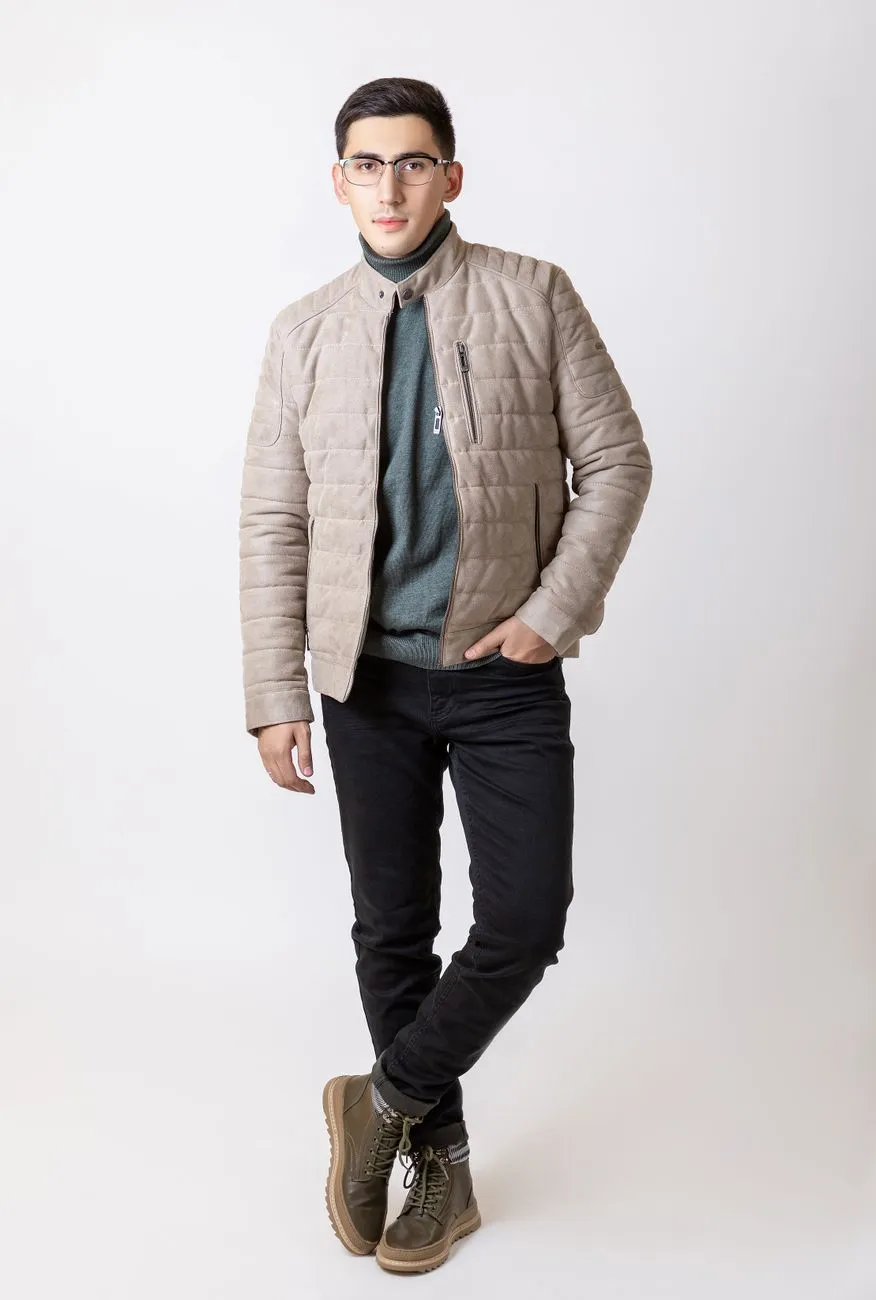
- Jackets: the body should cover your waistband but not your whole seat; the sleeves should end just at the wrist bone, showing a sliver of shirt cuff.
- Trousers: the hem should touch the top of the shoe with a small break. A full break puddling over the laces makes legs look shorter; a cropped hem can work, but only if intentional.
Fabric and drape
Stiff fabrics hold their own shape; soft fabrics follow the body. If you want a cleaner line over the midsection, choose a fabric with some structure, like oxford cotton or a mid-weight knit. If you want a relaxed, breathable feel, choose linen or a soft cotton, and accept that it may wrinkle and drape more casually.
The “almost right” rule
If a piece is close but not perfect, a tailor can adjust sleeve length, trouser hem, or waist. That is not a luxury step; it is the difference between clothes that look bought and clothes that look styled.
Color Basics: A Calm Palette That Always Works
Men’s style often improves when the color count goes down. You do not need many colors; you need colors that repeat.
Start with a neutral base
Three or four neutrals will do most of the work: white, navy, grey, black, olive, beige, khaki, and brown. Pick two light neutrals and two dark neutrals. Neutrals allow any accent color to make sense.
Use one accent color
A safe formula is 60% neutral, 30% second neutral, 10% one accent. For example: navy trousers, a white shirt, and a forest green knit. If you add a second accent, it competes.
Colors that work together
- Navy + white + tan or brown
- Grey + black + white
- Olive + white + brown
- Beige + navy + white
- Charcoal + burgundy + white
For more shirt-pant-shoe combos, see Color Combinations for Men Clothes: 10 Shirt-Pant-Shoe Combos.
Skin tone and contrast
You do not need to memorise color seasons. If you want a quick check, hold a plain shirt under your chin in daylight. If the color makes your face look dull or grey, it may not be your strongest shade. Warmer skin tones often suit olive, brown, rust, and cream; cooler skin tones often suit navy, grey, burgundy, and true white. But personal taste and confidence matter more than strict rules.
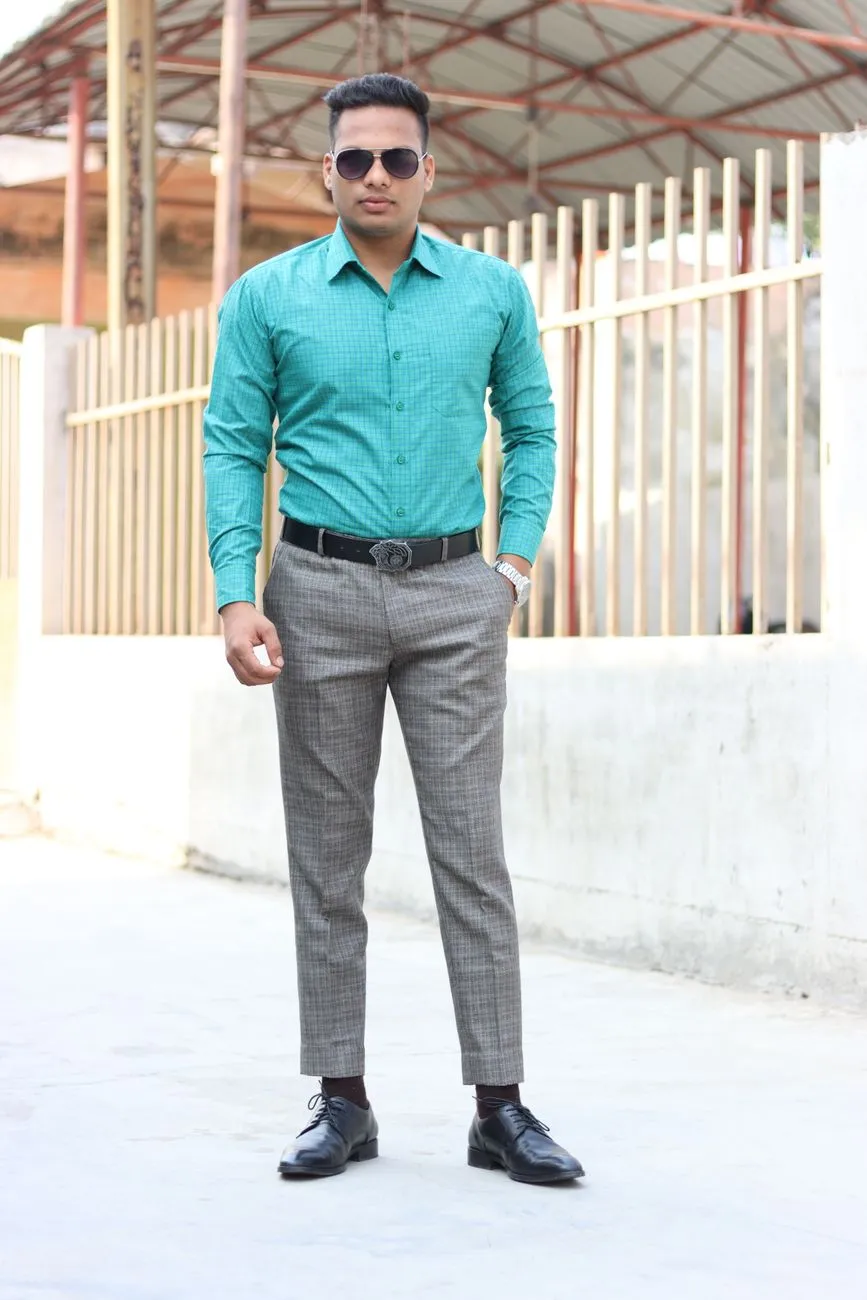 Photo: Abhinav Kumar Sharma / Pexels
Proportion: Build the Shape You Want
Proportion is how the top and bottom halves relate to each other. Small changes can make your legs look longer, your shoulders look broader, or your waist look cleaner without changing your body.
Create a clear waistline
Tuck in your shirt or tee, or choose a jacket that ends at the hip bone. A visible waistline breaks the body into thirds and makes an outfit look intentional. If you do not like a full tuck, try a front tuck or a knit with a ribbed hem.
Balance top and bottom volume
If you wear a loose, boxy top, pair it with slimmer or straight trousers. If you wear wide-leg trousers, keep the top slightly fitted or tucked. Too much volume on both halves can swallow your frame; too little on both can look flat.
Use vertical lines
A long outer layer, a shirt worn open over a tee, or a tonal outfit in one color all create a continuous vertical line. If you want to look taller, keep the trousers and shoes in a similar tone so the eye does not stop at the ankle.
Shoes and hem length
The shoe is part of the proportion. A slim sneaker or low-profile leather shoe works with tapered trousers; a chunky sole can shorten the leg if the hem pools around it. Match the formality and visual weight of the shoe to the trouser width.
Essential Wardrobe Pieces That Do Most of the Work
A small set of well-fitting pieces can form dozens of outfits. These are the core.
Tops
- White and grey crew-neck tees: plain, no giant graphic. They work under jackets, with chinos, or alone.
- Oxford shirt in white or light blue: can be dressed up or down. Roll the sleeves once or twice for a more relaxed look.
- Knit polo or fine-gauge crew neck: adds texture without needing a collar. Good for smart casual and cooler evenings.
Bottoms
- Dark denim jeans: straight or slim-straight with minimal distressing. Dark indigo is the most versatile.
- Chinos in khaki, navy, or olive: a step above jeans, a step below tailoring. See What to Wear with Khaki Pants: 15 Shirt, Polo & Shoe Pairings.
- Tailored wool trousers in grey or navy: for office, weddings, or any time jeans feel too casual.
Outerwear
- A clean unstructured blazer or chore jacket: adds structure over tees and polos.
- A light jacket: denim, bomber, or field jacket depending on your climate.
Shoes
- Minimal white leather sneakers: go with nearly everything; keep them clean.
- Loafers or derby shoes in brown, suede, or black: for smart-casual and formal looks.
- One pair of sandals or boat shoes if you live in a hot climate.
Accessories
- A simple leather belt matched to your main shoe color.
- A plain watch or a simple bracelet if you want a detail point.
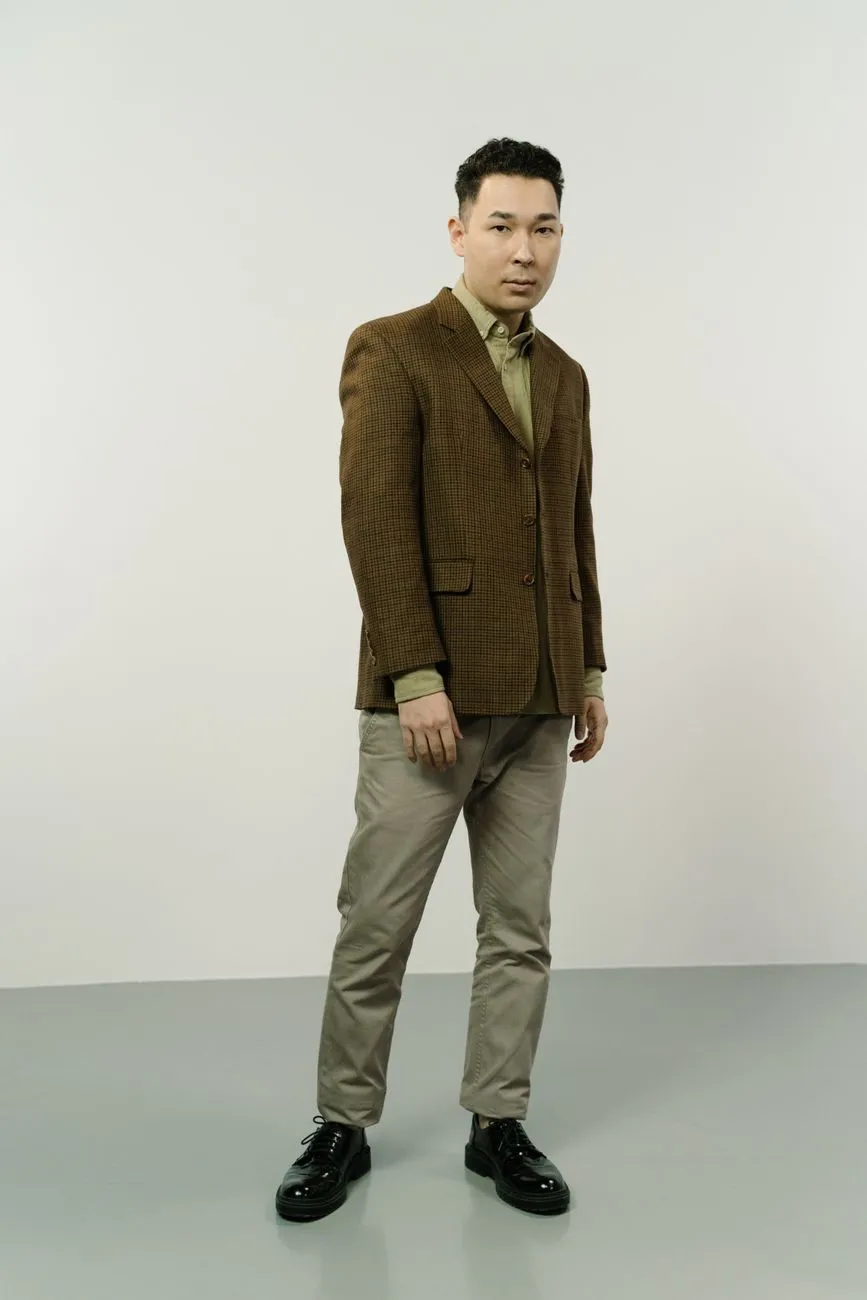 Photo: Ron Lach / Pexels
Five Quick Outfit Formulas You Can Wear Tomorrow
These formulas are repeatable. Swap the colors, not the structure.
- White tee + khaki chinos + minimal white sneakers. Tuck the tee loosely. Add a belt that matches your shoes.
- Oxford shirt + dark jeans + brown leather derby shoes. Roll the sleeves, and leave the shirt untucked only if the hem hits mid-fly.
- Knit polo + grey tailored trousers + suede loafers. Choose a polo in navy, olive, or cream. Keep the trousers cropped at the ankle or with a single break.
- Navy tee + olive chinos + retro running shoes. This is a tonal smart-casual look; the white sole of the shoe keeps it crisp.
- Denim jacket + white tee + black or charcoal jeans + leather boots or derbies. If the jacket ends at the waist, it defines proportion. Avoid blue-on-blue denim that is too close in wash; create contrast.
Before you buy new pieces for these formulas, you can preview them on your own body with Macgi in your phone browser.
Common Mistakes and What to Avoid
Here are the details that quietly undo an outfit.
Wearing clothes that fit the size on the label, not your body
Sizes vary between brands. A “medium” in one shirt may fit like a “large” in another. Judge by the shoulder seam, button pull, and hem, not the tag. If a piece is close but not right, buy the larger size and tailor it.
Ignoring the occasion
Sneakers with a suit or formal shoes with gym shorts confuse the message. When in doubt, match the shoe formality to the setting: clean sneakers for casual, loafers or derbies for smart casual, leather oxfords for formal.
Too many competing details
One interesting piece is enough. If you wear a printed shirt, keep the trousers, shoes, and jacket plain. If you wear statement shoes, keep the rest quiet.
Overly busy patterns and logos
Large logos and loud all-over prints are harder to repeat and can look dated. Replace them with texture: knit, oxford, linen, suede. Texture adds depth without shouting.
Letting trousers pool on the shoes
A heavy break shortens the leg and looks untidy. Hem trousers to a slight or no break depending on the style. Cropped trousers should be intentional, showing ankle or sock.
Forgetting maintenance
Wrinkled, stained, or pilled clothing cancels good fit and color. Wash and store pieces properly, and do not overwash denim or knitwear.
FAQ
How do I know if a shirt fits me?
Check three points: the shoulder seam sits at the edge of your shoulder, you can button it without pulling at the chest, and the hem ends around mid-fly or just below the belt line. The sleeve cuff should end at the wrist bone, not halfway down the hand.
What are the safest colors for a man who wants to dress well?
Start with navy, grey, white, beige, olive, and black. They are neutral, repeat well, and work with one accent color. Avoid wearing more than two or three bright colors at once.
I am short, tall, heavier, or slim. Does the same advice apply?
Yes, the same principles apply; only the proportion goals change. If you want to look taller, keep trousers and shoes close in tone and avoid a heavy pant break. If you want to add visual width, choose horizontal details on top and avoid oversized layers. The goal is always balance, not hiding.
Do I need to spend a lot of money to dress well?
No. A small number of well-chosen, well-fitting pieces will outperform a large wardrobe of cheap or ill-fitting clothes. Start with a white tee, dark jeans, khaki chinos, an oxford shirt, and one pair of clean sneakers.
Can I preview an outfit on myself before buying?
Yes. Macgi works in your phone browser, no app. Upload or take one full-body photo and try a top, a top with trousers, or a dress. The AI preview takes about 15–40 seconds, keeps your face, body shape, skin tone, pose and background, and changes only the clothes. Your photo is used only for your own try-on images and is never posted, shared, used for ads or AI training. The temporary copy sent to the AI is deleted within 24 hours. Remember that AI previews are a visual guide, and sizing still needs the store’s size chart.