Macgi
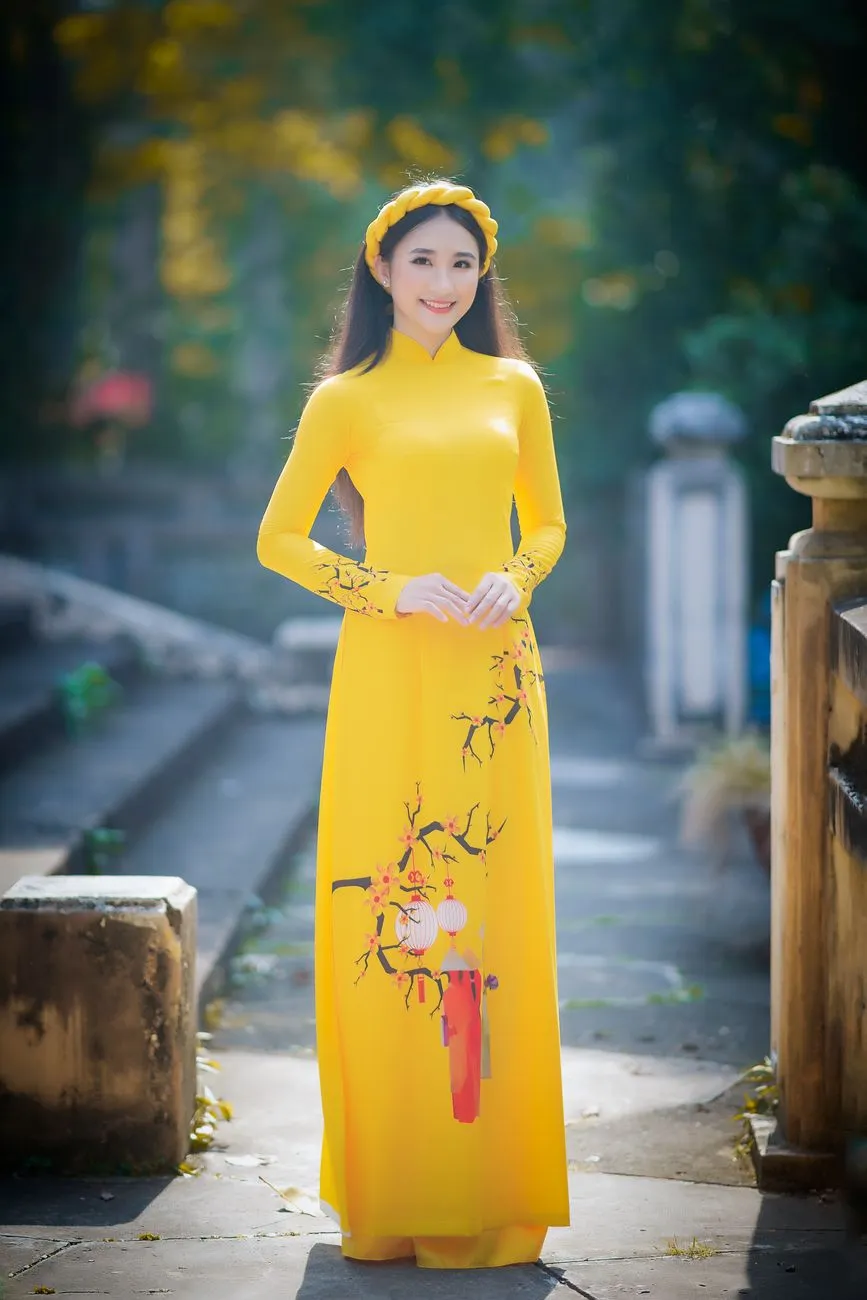
Tan skin is often spoken about as if it were one tone, but it ranges from light golden to deep copper, and it can lean warm, cool, olive or neutral. What makes a color look good is not just how dark or light your skin is; it is the undertone. The same terracotta top can look expensive and healthy on one tan complexion and slightly muddy on another.
This guide covers how to identify your undertone, 15 flattering shades to try, color palettes for men and women, the shades to wear carefully, and how to test a color before buying.
Understand your undertone first
The first step is not “do I have tan skin?” but “what sits underneath it?”
Warm, cool, olive or neutral?
Try these quick checks, ideally in daylight and without makeup:
- Gold vs silver jewelry: if gold makes your skin look healthier and silver looks a little separate, you likely lean warm. If silver or white gold looks clean and gold feels brassy, you likely lean cool. If both are fine, you may be neutral.
- Vein test: look at the inside of your wrist. Veins that appear greenish usually point warm; bluish or purple usually point cool; a mix or teal look often points neutral or olive.
- Cream vs pure white: hold a cream top and a white top near your face. If cream makes your complexion look clearer, warm; if white does, cool.
- Sun behavior as a hint only: if you tan easily and rarely burn, you may lean warm. If you burn before you tan, you may lean cool. This is not exact; many olive and neutral skin tones tan deeply.
One important distinction: olive skin often has a surface tan with a greenish or gray undertone. Some warm colors, especially mustard or orange, can make olive skin look sallow. Olive undertones often look striking in teal, emerald, plum and berry because those colors balance the green without turning orange.
None of this is a rule. Undertone is a styling tool, not a verdict. If a shade makes you feel good, that counts.
 Photo: Muhammad Dzaki Zaidan / Pexels
The 15 most flattering colors for tan skin
These are starting points, not a rigid system. Use the list to train your eye, then test everything against your own skin.
If your tan leans warm, start with these five
- Terracotta — a brick red with orange and brown in it. It mirrors the natural warmth in golden and copper skin without going neon. Wear it as a blouse, a linen shirt or a midi dress. It pairs well with cream, navy and denim.
- Mustard / ochre — a golden yellow creates a healthy contrast. Choose medium-to-deep mustard over pale lemon yellow. Try a mustard sweater with dark indigo jeans or olive chinos.
- Olive green — one of the easiest earth tones. It works on most tan skin, but especially warm undertones. Wear an olive overshirt, cargo trousers or a knit. If an olive top is too close to your skin tone, break it with a cream collar, scarf or open layer.
- Warm coral / papaya — brighter than orange but softer than red. It gives a fresh, lively finish to warm tan skin. Try a coral blouse with white or cream trousers, or a papaya linen shirt with blue denim.
- Golden camel / caramel — medium-to-deep camel flatters; pale sand can disappear. Coats, wide-leg trousers and knits all work. If a camel top matches your skin too exactly, add a cream or navy layer at the neck.
If your tan leans cool, olive or neutral, try these five
- Emerald green — a rich jewel tone that brings life to olive and cool tan skin. It gives contrast without turning brassy. Wear as a dress, blouse, shirt or knit. Pair with black, cream or brown.
- Teal / petrol — a blue-green that may be the most widely flattering color on this list. It adds interest where navy can feel safe. Try a teal blouse or polo with brown trousers, or a petrol knit with black jeans.
- Cobalt blue — a clear, high-energy blue that makes tan skin look luminous. Because it is strong, one piece is usually enough: a cobalt shirt, dress or sneakers.
- Berry / raspberry — a cool pink-red that works better than bubblegum pink on many tan skin tones, especially olive. It works with gray, navy and denim. Try a raspberry t-shirt under a neutral blazer.
- Plum — a deep purple with red and brown in it. It is a softer alternative to black for evening looks, suits and knits. Pair with gray, cream or black.
Five neutrals and accents almost everyone can try
- Cream / ivory — soft contrast that flatters without the starkness of optic white. Wear it near the face: a cream shirt, knit or scarf. An all-cream outfit works when the fabrics are different, like linen with cotton or wool.
- Navy — the steady dark neutral. Many tan complexions find navy easier than black because the contrast is still present but less harsh. Suits, blazers, trousers and denim all work.
- Chocolate brown — a rich brown that gives similar depth to black with more warmth. Try it in leather, wool, chinos or a knit. It looks especially good with cream and light blue.
- Dusty blush / rosewood — a muted pink, not baby pink. It adds softness without washing out tan skin. Wear it as a blouse, t-shirt or midi skirt, and ground it with olive, brown or gray.
- Bright red — the undertone matters more than the red itself. If your skin is warm, choose an orange-based red; if your skin is cool or olive, choose a blue-based red. Keep it to one strong piece: a dress, shirt, tie or bag.
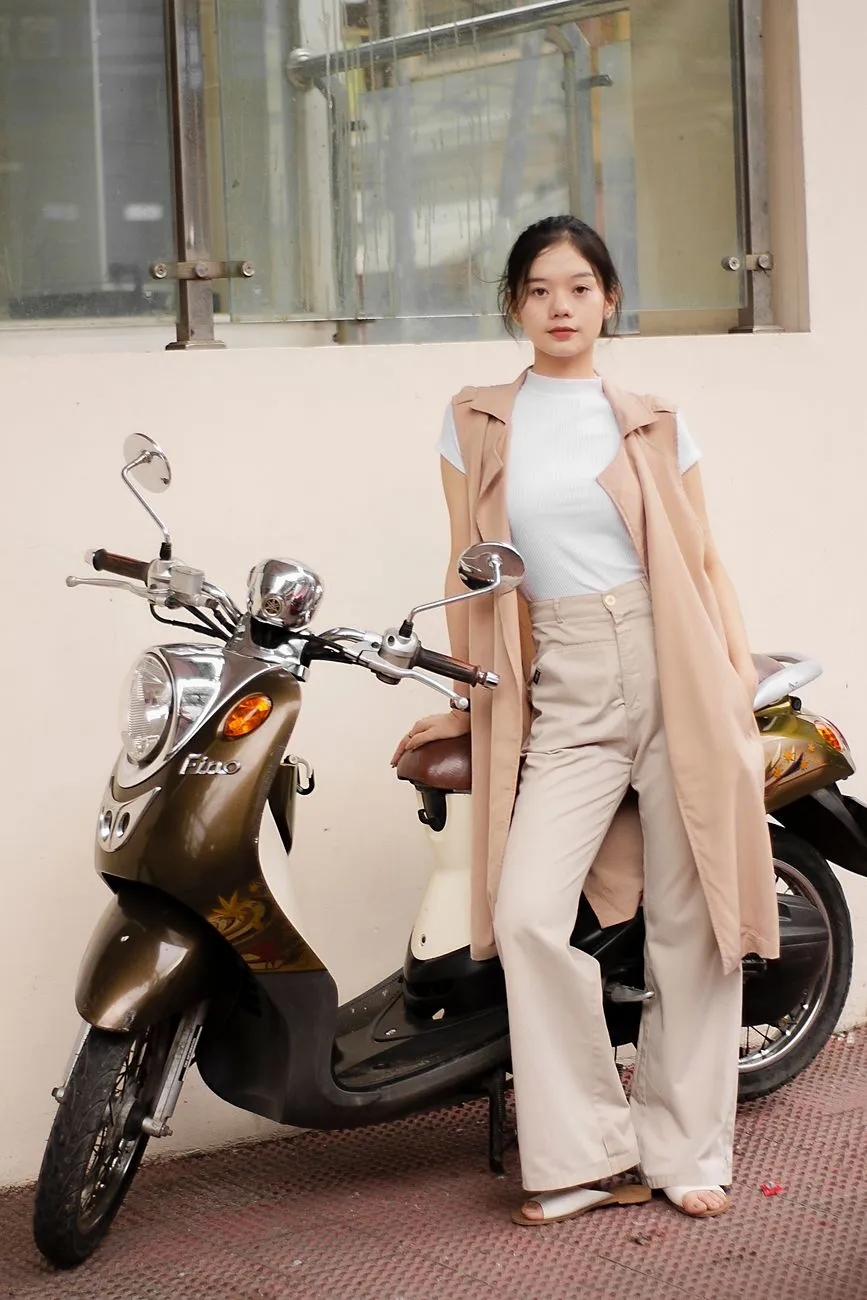 Photo: Nothing Ahead / Pexels
How to build an outfit around one flattering color
A useful formula is 60-30-10 color matching: roughly 60% a neutral base, 30% a secondary color and 10% an accent. That keeps a strong shade wearable.
- Warm tan example: 60% cream trousers and shirt, 30% terracotta overshirt, 10% brown leather belt and sandals.
- Cool or olive tan example: 60% navy, 30% teal shirt or blouse, 10% white sneakers or silver jewelry.
- Minimal example: 60% oatmeal or gray, 30% dusty blush, 10% burgundy bag or socks.
Put the most flattering shade where you want the eye to land. For most people, that is near the face: a top, jacket, dress or scarf. If you love a strong color but want a calmer look, move it below the waist or into an accessory.
Color palettes for women
These are concrete starting points, not a uniform. Adjust the fit and length to what you prefer.
- Warm-toned everyday: cream ribbed top, olive wide-leg trousers, tan leather sandals, gold earrings. The cream brightens, the olive grounds, and the sandals echo your skin’s warmth.
- Cool or olive-toned work look: cobalt blouse, navy straight-leg trousers, cream blazer, silver or neutral heels. If cobalt feels too loud for your workplace, swap it for teal or emerald.
- Evening-out formulas: a terracotta satin midi dress with gold jewelry and brown heeled slides; or a plum slip dress with a gray wrap and black low heels. Both give richness without fighting tan skin.
If you want to draw attention to your face, keep the strongest color on the top half. If you want to balance a bold color, repeat a small amount of it in a shoe, bag or nail color.
Color palettes for men
- Casual warm-toned outfit: terracotta or mustard crew-neck t-shirt, olive chinos, brown suede loafers or minimalist leather sneakers. This is an easy weekend formula; the colors all sit in the same earthy family.
- Cool or olive-toned office outfit: teal or emerald knit polo, navy tailored trousers, brown derby shoes or clean white sneakers. The teal adds life near the face; the navy keeps it professional.
- Minimal neutral outfit: cream oxford shirt, chocolate brown chinos, caramel belt and brown loafers. This works because cream, brown and caramel are different depths, not one flat beige.
For men who rarely wear color, start with navy and cream, then add one of the fifteen shades through a t-shirt, polo, sweater or pocket square.
Colors to wear carefully
No color is banned. These notes are about contrast and placement, not about avoiding a shade.
- Pale pastels like baby pink, powder blue or pale yellow can look washed out on some tan skin, especially in bright daylight. If you want that soft feel, choose a more saturated cousin: dusty blush instead of baby pink, teal instead of powder blue, mustard instead of pale yellow.
- Beige or sand that exactly matches your skin can look flat in a photo. The fix is simple: wear it below the face, or break it with cream, navy or a deeper brown near the neckline.
- Pure white versus cream: warm tan skin often looks more harmonious in cream or ivory; cool tan skin can look crisp in pure white. Test both under natural light.
- Black near the face: many tan skin tones look strong in black. If you want a softer contrast, use black below the waist or as trousers, and put navy, chocolate or a color from the list near your face. A gold or silver necklace also changes how black reads.
How to test a color on your actual skin
Lighting, camera settings and fabric sheen all change how a color looks. Before buying a whole outfit in a shade you never wear, test it.
One practical way is Macgi. In your phone browser, upload one full-body photo or take one on the phone, then try a top, a top with trousers, or a dress. In about 15–40 seconds you get a preview that keeps your face, body shape, skin tone, pose and background, and changes only the clothes. The photos are used only for your own try-on images and are never posted, shared, used for ads or AI training; the temporary copy sent to the AI is deleted within 24 hours. No app is needed.
Use it to compare two or three shades side by side: terracotta against teal, cream against white, navy against black. For the most useful preview, start with a clear full-body photo. See Try On Clothes Online Before Buying and How to Take a Full-Body Photo for AI Try-On for the full method. Remember that AI try-on is a preview of color and silhouette, not a guarantee of fabric or fit; check the store’s size chart before ordering.
Frequently asked questions
Does tan skin always mean warm undertone?
No. Tan skin can be warm, cool, olive or neutral. The depth of color is different from the undertone. Use the jewelry, vein and cream-vs-white tests before deciding.
Can tan skin wear pastel colors?
Some people can. If a pastel looks draining on you, it is often because the shade is too pale and not because you cannot wear that color family. Try a deeper, clearer version: peach instead of pastel pink, teal instead of powder blue, mustard instead of pale yellow.
Which color should I try first if I am unsure?
Teal, cream and navy are the easiest starting points. They are widely flattering and easy to style with clothes you already own. From there, add terracotta if you lean warm or emerald if you lean olive or cool.
Does black suit tan skin?
Usually yes, but it depends on the effect you want. Black gives high contrast and can look sharp. If you want a softer or warmer contrast, navy, chocolate brown or plum are excellent alternatives near the face.
Does Macgi show the exact fabric color?
No. Screens and lighting vary, and Macgi try-on is a preview, not a fabric sample. Use it to judge whether a shade harmonizes with your skin and whether a whole outfit works. Then check the real product photos, fabric details and size chart.