Macgi
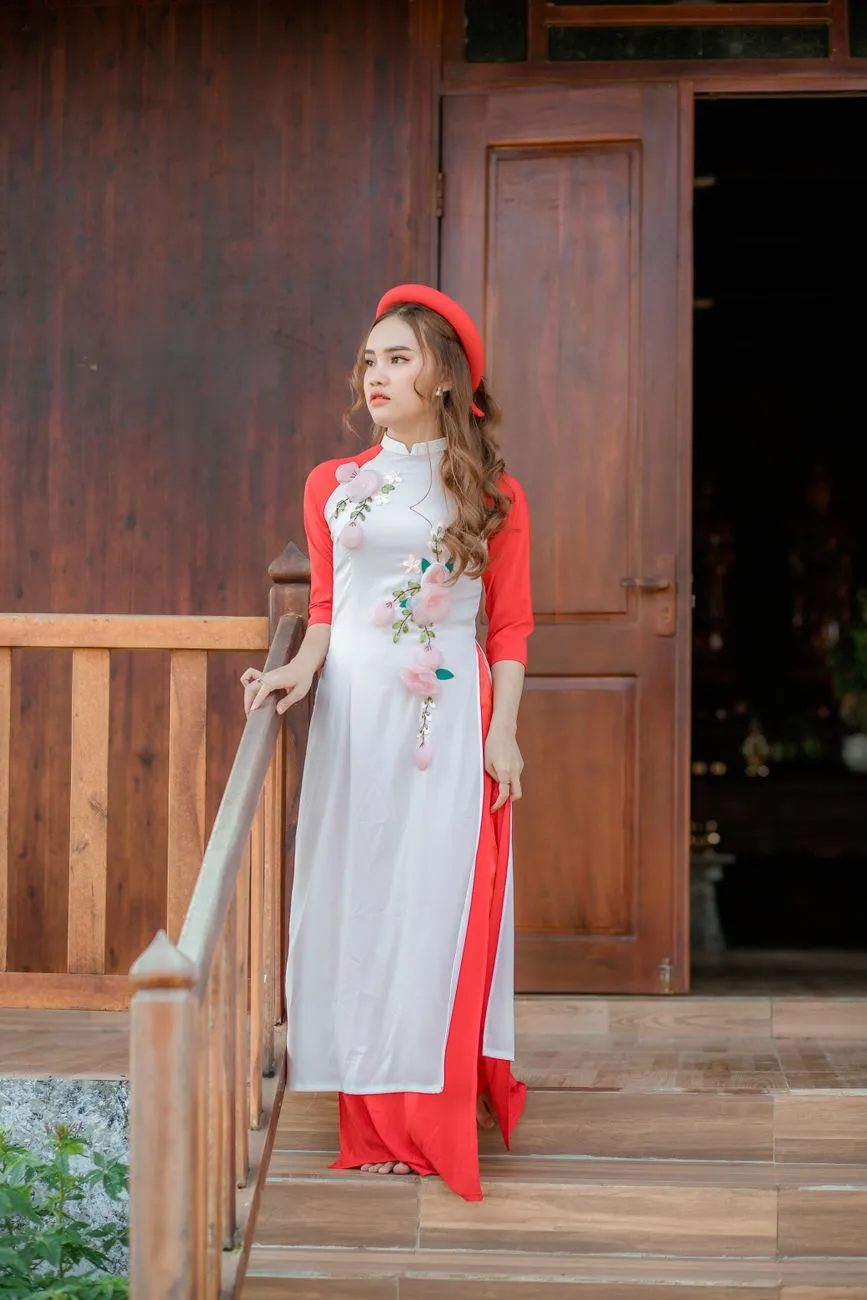
Elegant colour combinations tend to share one quality: they look chosen, not accidental. That does not mean everything has to be beige. It means the colours have a clear relationship—similar tone, balanced contrast, or a deliberate accent.
The easiest upgrade to your outfits is not buying more clothes; it is wearing the ones you already own in better colour pairs. This guide gives you 15 elegant pairings, seasonal palettes, and a practical way to preview them.
Three rules for elegant colour combinations
Use a 60-30-10 balance
The most wearable outfits use roughly 60% of one main colour, 30% of a secondary colour, and 10% of an accent. For example: a camel coat, cream trousers, and a burgundy bag. This keeps the outfit from looking busy. For a deeper breakdown of the method, see How to Color Match Clothes: Color Wheel, Neutrals, 60-30-10.
Match undertones before colours
Warm colours have yellow or golden undertones; cool colours have blue or pink undertones. Camel, rust, olive, chocolate and mustard are warm. Navy, grey, blue, fuchsia and emerald are cool. You can mix warm and cool, but it looks more effortless when one family dominates. For example, chocolate brown and powder blue is a beautiful contrast because the warm brown makes the cool blue feel crisp, not clashing.
Stop at three visible colours
Prints and accessories can complicate an outfit quickly. Limit yourself to three visible colours, not counting black shoes and your bag if it is neutral. This makes an outfit look elegant rather than loud.
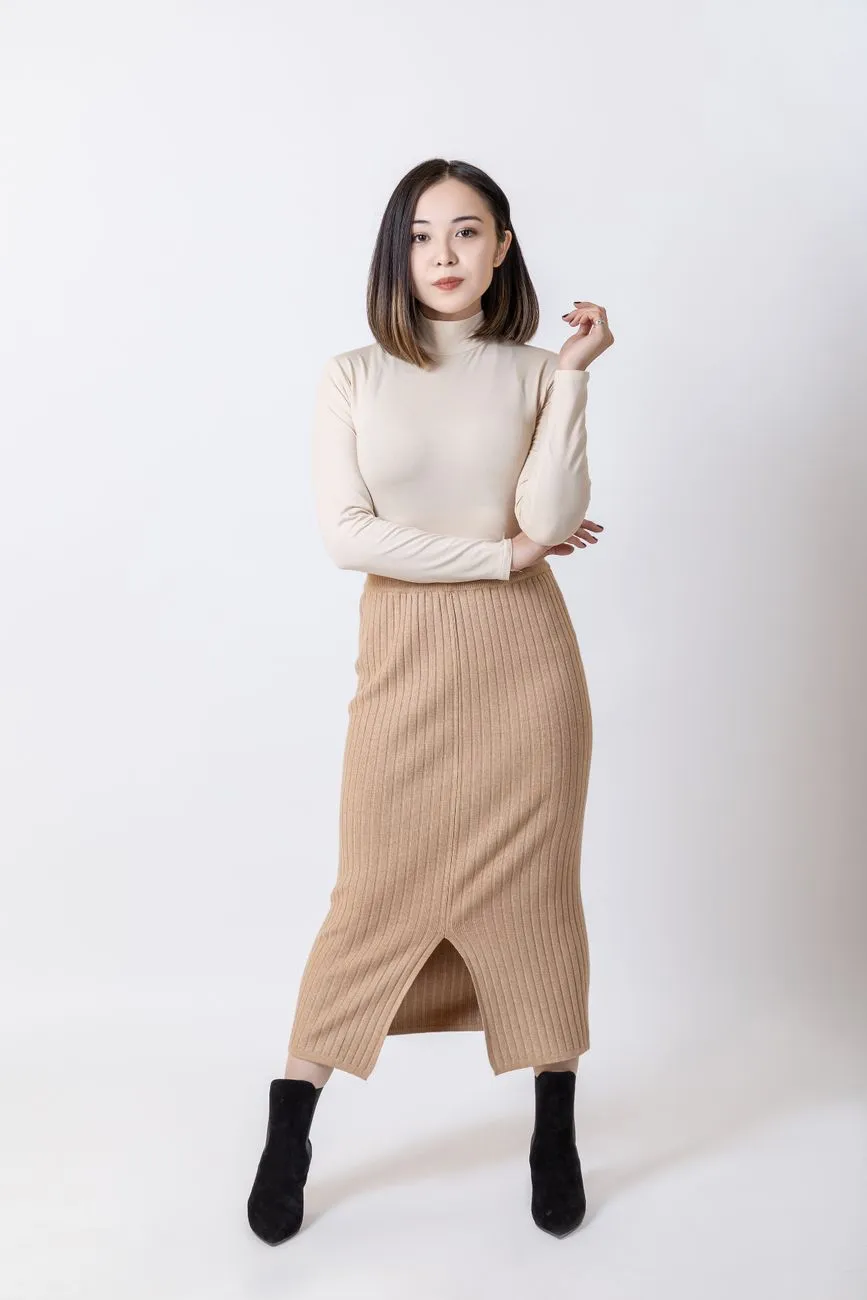 Photo: Dima Valkov / Pexels
15 elegant colour pairs for women
Below are fifteen combinations that are easy to adapt. Each pair can stand alone, or you can use the first colour as your 60%, the second as 30%, and add a neutral accessory as 10%.
Warm neutrals and earth tones
1. Camel + cream. A soft tonal pair that works year-round. Wear a camel blazer over a cream shirt and cream trousers, with tan loafers. Avoid stark white shoes.
2. Chocolate brown + powder blue. Deep brown gives pastel blue a grounded, adult feel. A chocolate knit with light blue trousers works brilliantly; add leather sandals or white sneakers. For more brown pairings, see What Colors Go with Brown? 15 Outfit Pairings for Vietnamese Skin.
3. Terracotta + indigo denim. Warm rust and deep blue naturally balance each other. A terracotta top with dark indigo jeans is one of the easiest weekend outfits. Keep shoes caramel or off-white.
4. Olive + khaki. A tonal earth pair that suits utility-inspired pieces. An olive overshirt over a khaki t-shirt and khaki chinos looks casual but considered. Add gold-tone jewellery.
5. Burgundy + blush pink. A romantic warm pairing. Burgundy trousers with a blush blouse, or a burgundy dress with blush accessories. Avoid adding red shoes; choose nude or burgundy.
Cool neutrals and jewel tones
6. Navy + white. A classic for warm days. Navy wide-leg trousers with a white button-front shirt or tee works for office and weekend. Swap loafers for canvas sneakers.
7. Charcoal + lilac. A soft way to wear pastel. A charcoal blazer over a lilac top makes the lilac feel more adult than sweet. Keep the bottom charcoal or mid-grey.
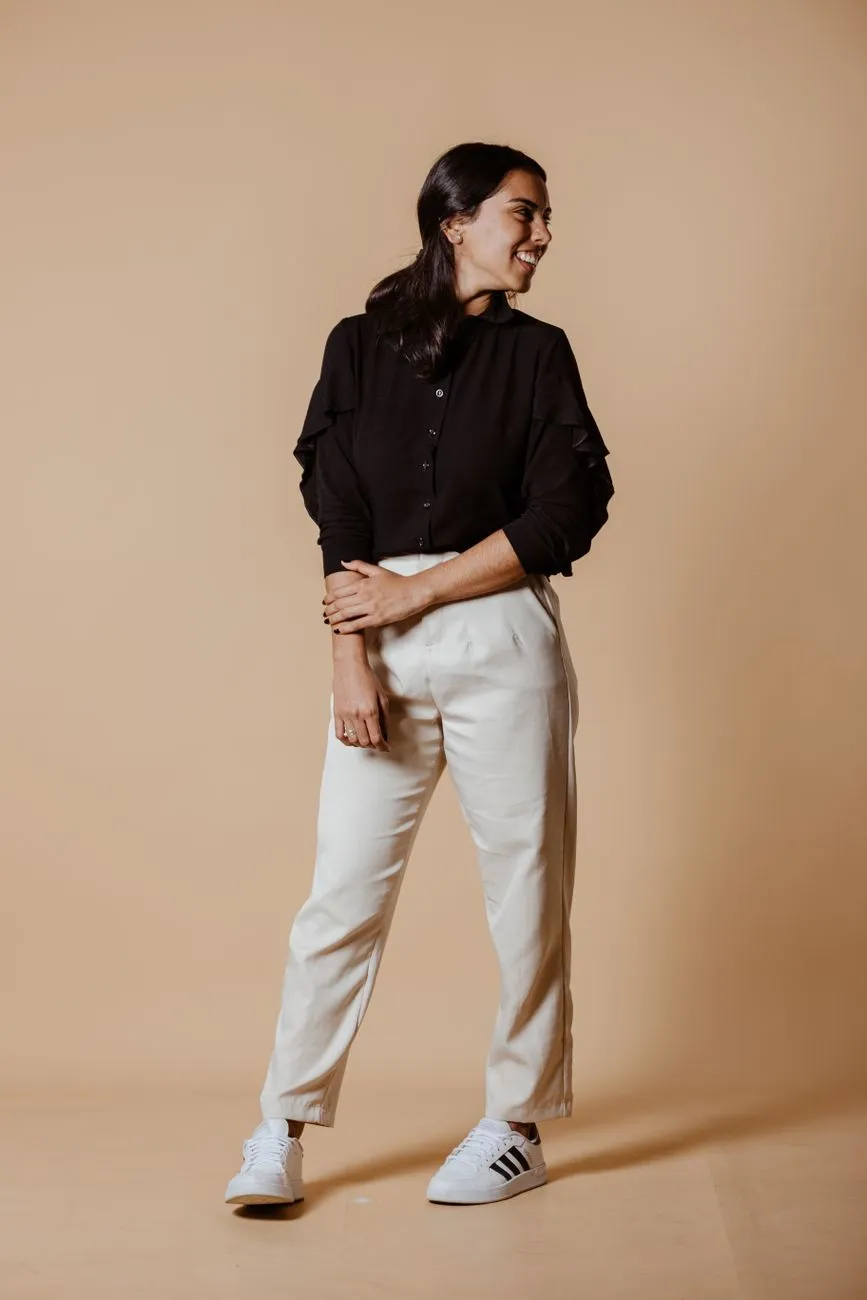
8. Black + ivory. Warmer than black and white. Black wool trousers with an ivory silk blouse and black pointed flats look elegant but relaxed. Use gold or pearl earrings.
9. Forest green + camel. A rich cool-warm mix. A forest green knit with camel trousers, or a camel coat over a forest dress. Both colours are deep, so the contrast feels luxurious.
10. Emerald + grey. Emerald adds life to a quiet grey base. Grey flannel trousers with an emerald blouse or knit. Keep shoes grey or black; silver jewellery works well.
Tonal dressing pairs and deep accents
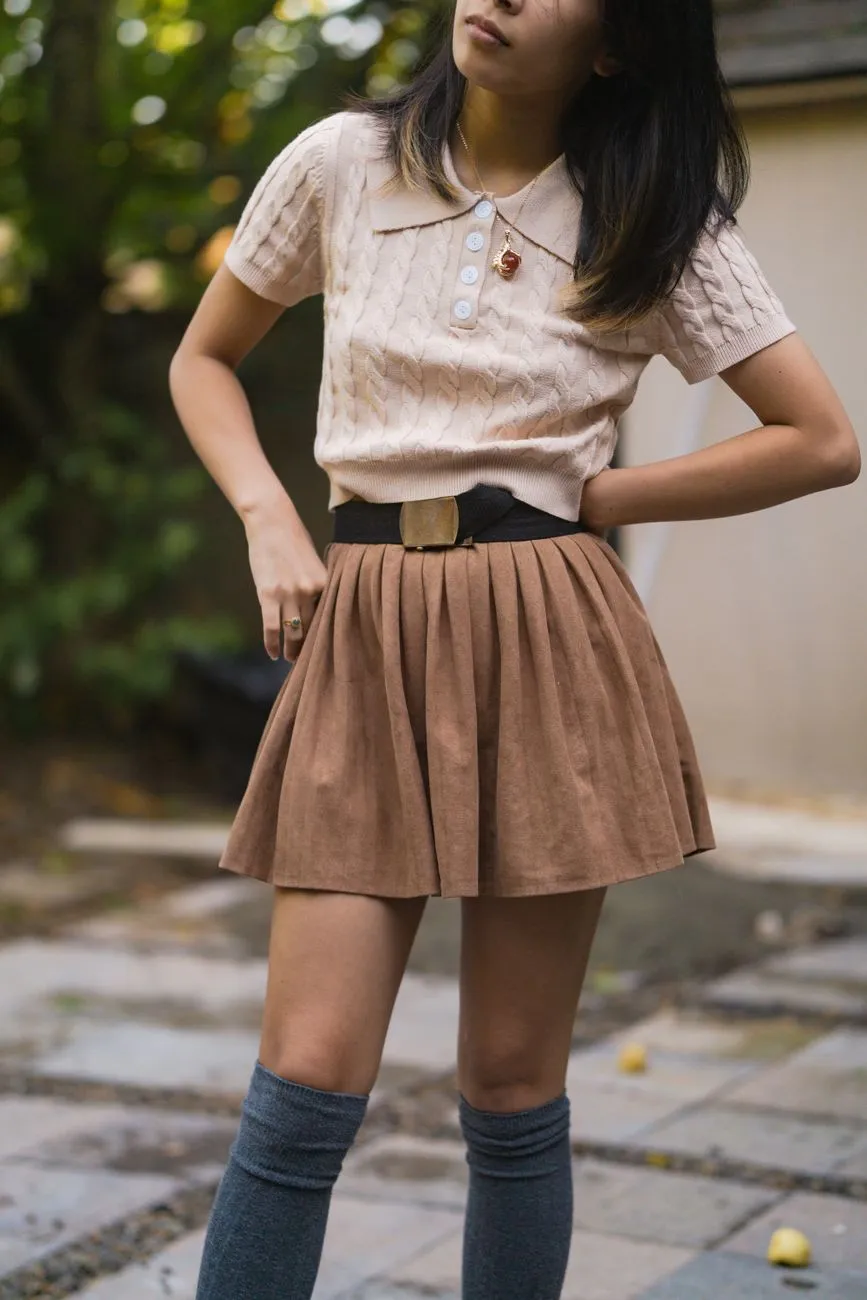
11. Beige + tan + caramel. A three-tone tonal outfit counts as one colour family. Vary the textures—cotton, suede, ribbed knit—so the tones do not blur together. Add a cream bag.
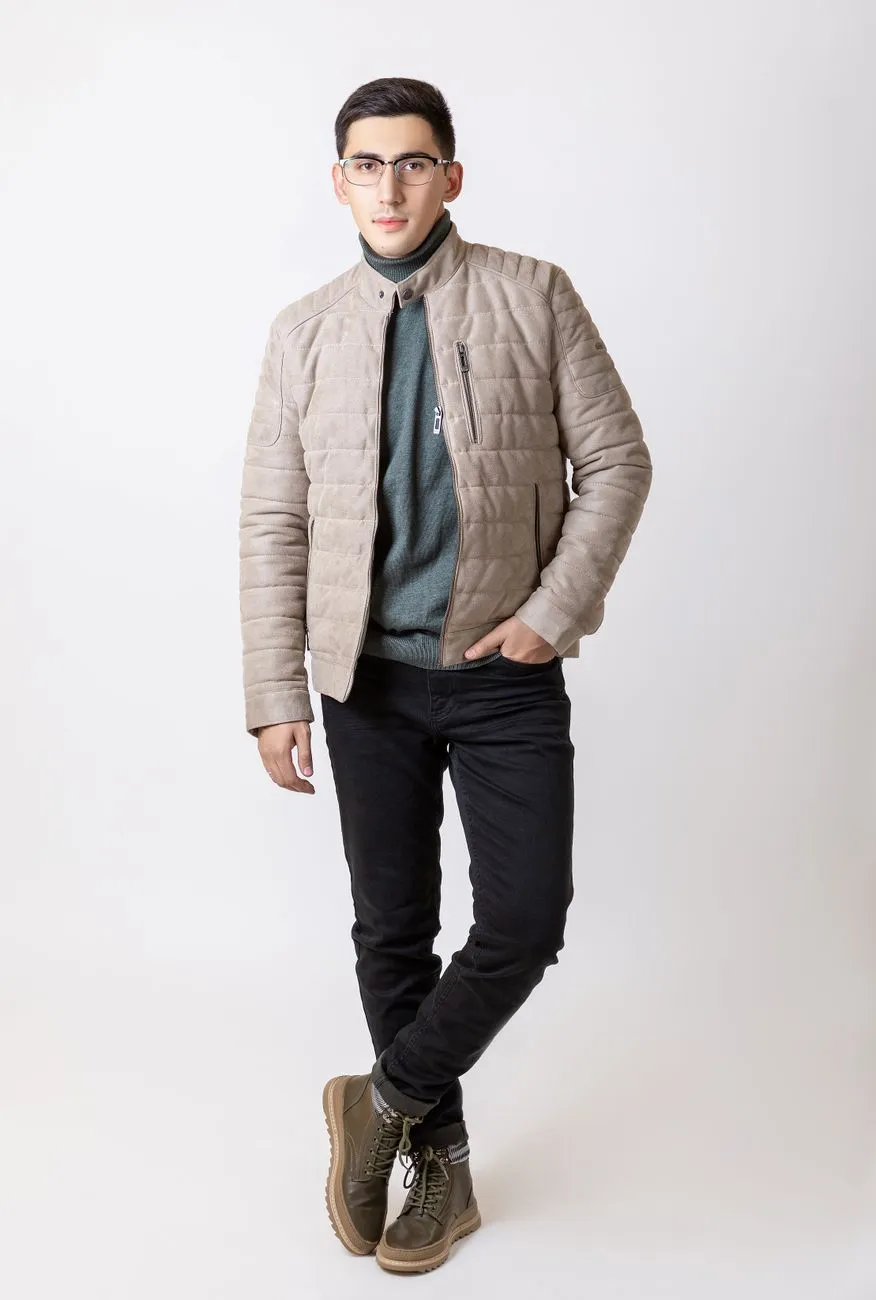
12. Grey + silver-grey + denim. All-grey can look flat, but adding a blue-grey denim jacket or shirt gives contrast. Charcoal trousers, light grey knit, denim jacket. White sneakers keep it light.
13. Sand + off-white + light brown. A lighter tonal palette for spring and summer. A sand linen shirt dress over off-white trousers, with light brown sandals. Keep metals in gold or tortoiseshell.
14. Dusty pink + mauve. Tonal pink families can be elegant if the tones are close but not identical. A dusty pink blouse with mauve tailored trousers. Avoid bright pink accessories; use neutral shoes.
15. Navy + burgundy. One of the most reliable deep-colour pairings. Navy trousers or a navy dress with burgundy shoes, bag or a burgundy top. Both colours are quiet enough for work but richer than black and grey.
 Photo: Ken Tulla / Pexels
Seasonal palettes: how to shift the same outfit
You do not need a different wardrobe every season; you can shift the colour emphasis.
Spring and summer
Favour lighter versions: cream instead of camel, powder blue instead of navy, blush instead of burgundy. Pair white trousers with a pastel top, and use tan sandals to warm the look. Linen and cotton make light colours feel intentional.
Autumn and winter
Deepen the same combinations: chocolate instead of tan, forest instead of olive, burgundy instead of blush. Layering lets you wear three colours at once without effort: a burgundy knit under a camel coat over navy trousers. Wool, suede and ribbed knits add depth.
Year-round
Navy, white, camel, chocolate, charcoal and forest green can work in any season. The main change is fabric weight and shoe choice, not the colours themselves.
How to choose accent colours with accessories
An accent colour should be the smallest part of the outfit—shoes, bag, belt, scarf, earrings or lip colour.
- If the outfit is all neutral: add one warm accent such as burgundy, mustard, rust or red. A camel and cream outfit becomes much more interesting with a burgundy bag and matching belt.
- If the outfit already has two colours: keep the accessory in one of the existing colours, or in a metallic neutral. For example, navy blouse and white trousers can take gold earrings and a tan bag.
- If you want a bolder accent: choose the complementary colour on the colour wheel. Blue and orange, green and red, purple and yellow. But wear the accent only in accessories and keep the rest simple.
A useful shortcut for shoes: match shoes to either the hem colour or the bag colour. They do not have to match the top.
How to test a colour combination before you shop
Before buying a new top to go with trousers you already own, or a dress in a colour you rarely wear, it helps to see the colours together. Macgi lets you do that in a phone browser without an app. Take one full-body photo, try a top, a top with trousers, or a dress, and the result appears in about 15–40 seconds. The AI keeps your face, body shape, skin tone, pose and background and changes only the clothes—no body editing—so you can judge the colour combination on your actual frame. Photos are used only for your own try-on images, never posted, shared, used for ads or AI training; the temporary copy sent to the AI is deleted within 24 hours. The try-on is an AI preview, so always check the store’s size chart before ordering.
FAQ
Can I wear more than three colours and still look elegant?
Yes, if two of the colours are very close in tone or one appears only in a tiny amount, such as a printed scarf. The three-colour guideline is a starting point, not a rigid rule.
Do these colour pairs work for all skin tones?
Most do, but the depth matters. If a pair feels too harsh, adjust the shade: swap camel for a deeper tan, powder blue for sky blue, or burgundy for a deeper oxblood. For more guidance, see What Colors Look Good on Tan Skin? 15 Flattering Shades.
Which colour combination is the safest for a job interview?
Navy plus white or navy plus ivory is one of the safest formulas. It looks clean, serious and approachable. Add minimal jewellery and a structured bag in tan or black.
How do I make an all-neutral outfit not look boring?
Use texture and tone variation. A camel wool coat, cream silk shirt and beige suede loafers are all neutral but have different surfaces. Add one accent: a burgundy bag, a gold necklace, or a printed silk scarf.
Can I wear brown and black together?
Yes, if you make one colour dominant and choose a brown with enough depth, such as chocolate or tan. A black trouser with a chocolate knit and black shoes can look very elegant; avoid a muddy brown that reads too close to black.
Do I need to buy complete outfits in these colour pairs?
No. Start with what you already own. Pick one pair that uses pieces you can already combine, then add the missing colour as a top or an accessory. You can test how a item works with Macgi before replacing anything.