Macgi
Color combinations for men often feel harder than they are. You do not need to memorise dozens of rules. Most sharp outfits come from one of two patterns: a neutral base with one clear accent, or two neutrals plus a natural leather or canvas shoe. This guide gives you 10 specific shirt-pant-shoe combinations you can wear for smart, business, and casual settings, then explains how to add a single accent without making the outfit noisy. At the end I’ll show how to preview any of these on your own photo with Macgi before you buy.
The simple rule behind most good shirt-pant-shoe combos
Before the specific formulas, it helps to think in three layers:
- Base neutral: usually the trousers. Navy, grey, charcoal, beige, olive, khaki, and mid-wash denim are the most forgiving.
- Top layer: the shirt or tee. This can be another neutral, or the one place you introduce a clear colour.
- Anchor: the shoes. In smart looks, leather shoes anchor the outfit. In casual looks, canvas or leather sneakers do the same.
A reliable outfit usually keeps the visual noise low: two or three colours total, with one repeated somewhere small such as a belt, watch strap, or socks. If you want a deeper explanation of neutrals, contrast, and the 60-30-10 idea, read How to Color Match Clothes: Color Wheel, Neutrals, 60-30-10.
Fabric also affects how a colour reads. A matte cotton oxford shirt in pale blue feels softer and more casual than a shiny poplin dress shirt in the same shade. Similarly, olive cotton chinos look more relaxed than olive wool trousers. The combos below mention fabrics and lengths where they matter.
Smart and office shirt-pant-shoe combos
These five formulas work for offices where a jacket is optional, business casual days, presentations, and formal meals. They look put-together without anyone asking if you tried too hard.
1. White oxford shirt, navy tailored trousers, dark brown leather derby or oxford shoes
This is the closest thing to a universal smart outfit. The white shirt gives brightness near your face, navy trousers recede slightly, and dark brown shoes feel less severe than black while staying formal. Choose a matte cotton oxford or poplin, navy trousers in wool-blend or smooth chino, and shoes in dark brown rather than tan for a more serious setting. Trousers should have a slight break or no break; too much stacking makes the outfit look heavier. If you want a slightly softer look, swap the white shirt for cream.
2. Light blue shirt, grey trousers, black leather loafers or burgundy oxfords
Light blue is one of the easiest colours for men to wear because it flatters a wide range of skin tones and pairs naturally with grey. Mid-grey and charcoal both work; choose mid-grey for daytime and charcoal for evening. Black shoes keep the palette cool and sharp, while burgundy or oxblood adds a subtle accent that still reads as professional. A poplin or end-on-end cotton shirt works best. Avoid very shiny grey trousers, which can make the whole outfit look synthetic.
3. Pale pink or lavender shirt, charcoal trousers, black shoes
Pastel shirts are a low-risk way to introduce colour into an office wardrobe. The charcoal grounds the pastel so it never looks candy-like, and black shoes keep the look disciplined. If your undertone is warm, you may prefer a peachy pink or lilac-pink instead of a cool lavender; if your undertone is cool, lavender can look especially clean. Keep the shirt fabric matte and the collar structured. This combination works well with a darker tie in navy, charcoal, or a deep green if you need one.
 Photo: Abbaphe Media / Pexels
4. Cream or off-white shirt, olive chinos, brown suede loafers or chukka boots
This is business casual through an earth-toned lens. Cream adds warmth without the starkness of pure white, olive chinos give structure without being as formal as navy or grey, and brown suede ties the two earth tones together. Choose chinos that are tapered but not skinny, ideally with no break or a slight crop. Suede or nubuck shoes, such as loafers, chukka boots, or derbies, work better than shiny leather here. Avoid black shoes with olive trousers unless you want a harder, more formal contrast; brown is safer and more natural.
5. Navy knit polo or crewneck shirt, stone or beige chinos, white leather low-top sneakers
For a smart-casual office, a navy knit polo or fine-gauge crewneck over a tucked tee gives you the same colour structure as a suit but with more ease. Stone or beige chinos keep the lower half light, and white low-top leather sneakers make the outfit modern. The white shoe also repeats the brightness in any white detail on the shirt, such as a collar or placket. Keep belts simple: tan or brown leather works, or match the belt to the shoes if you prefer. No-show socks keep the line clean.
Casual and weekend shirt-pant-shoe combos
These five are for weekends, travel days, cafes, and relaxed social plans. They follow the same logic but lean on denim, tees, overshirts, and canvas.
6. White crew-neck tee or Oxford shirt, mid-wash jeans, white or off-white canvas sneakers
Mid-wash denim is the most flexible jeans colour for a reason: it is not too light to look washed-out and not too dark to feel formal. A white or cream tee on top matches the white shoe at the bottom, letting the denim sit in the middle cleanly. If you wear an Oxford shirt instead of a tee, leave the collar soft and roll the sleeves. Jeans can be straight or slim, with a slight break or a small cuff. Off-white canvas sneakers are a good option if pure white feels too stark against the mid-wash blue.
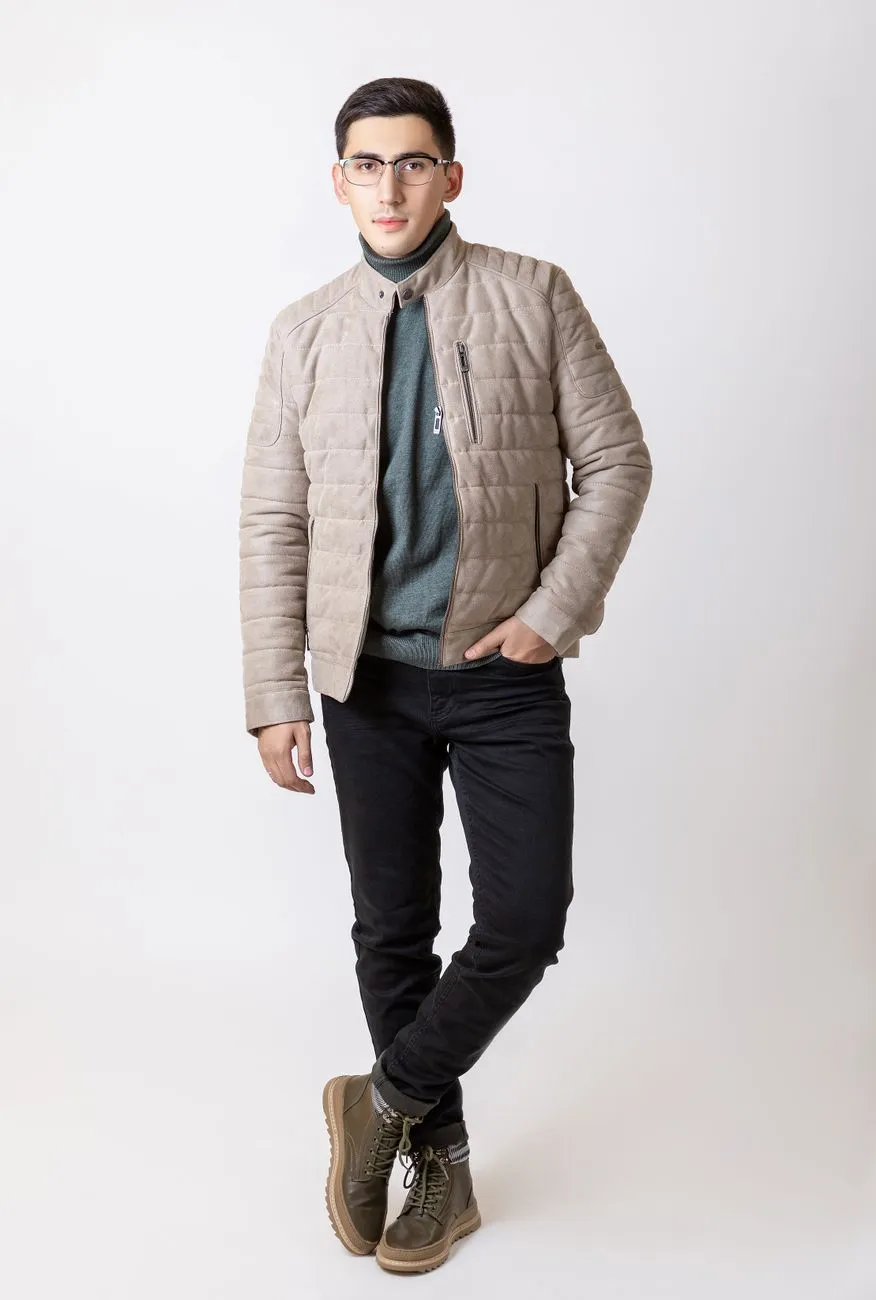
7. Black tee or polo, black or charcoal slim jeans, off-white gum-sole sneakers
This is a monochrome base that feels calmer than an all-black outfit because the off-white gum sole adds a warm neutral at the floor. A black tee keeps the top simple; charcoal jeans can be slightly softer than black if you want the outfit to look less heavy. The gum sole prevents the sneakers from looking too clinical, which is why off-white or cream soles often work better with black denim than bright white shoes. Avoid black leather dress shoes with this combination unless you are deliberately dressing up; low-profile sneakers keep it relaxed.
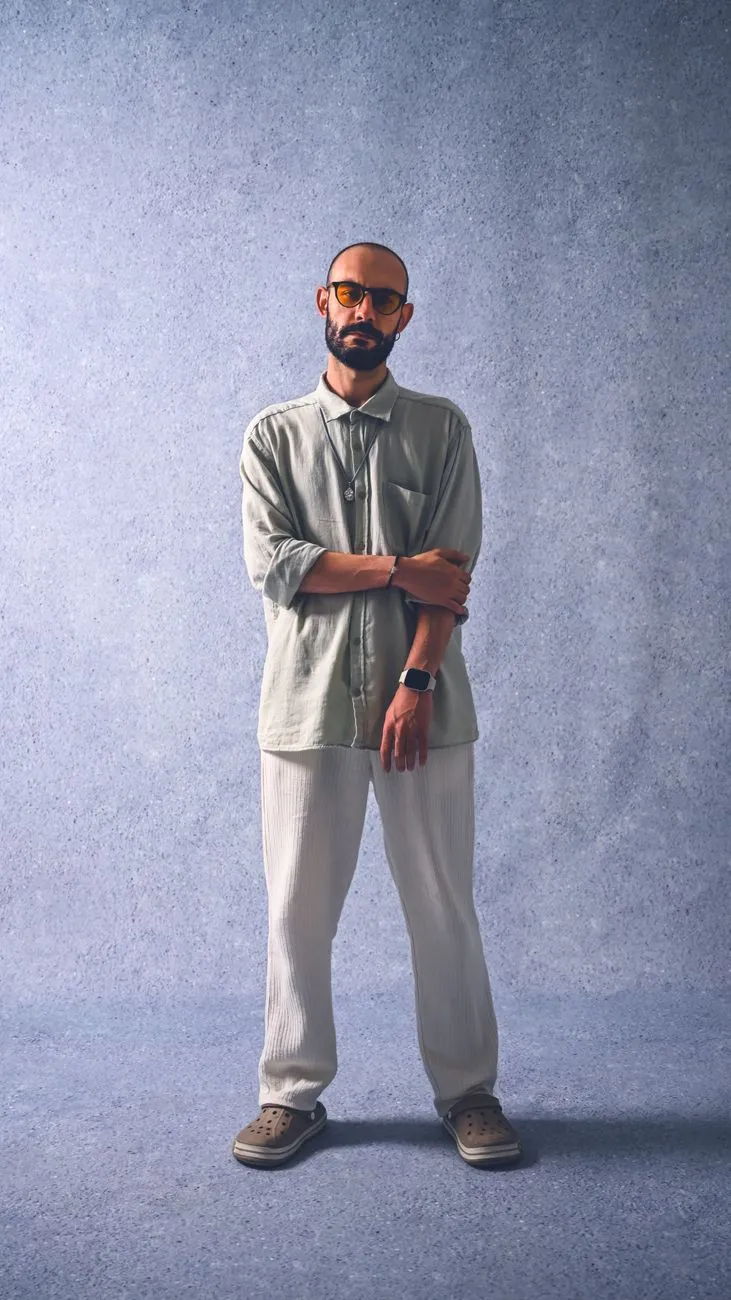 Photo: Göksu Taymaz / Pexels
8. Olive overshirt, cream tee, brown chinos or fatigue pants, tan suede boots
This is an earth-tone layering formula. The olive overshirt adds depth over a cream tee, while brown chinos or fatigue pants continue the warm neutral story. Tan or mid-brown suede boots tie the shoes to the overshirt and pants without being matchy-matchy. Keep the overshirt unbuttoned or half-buttoned so the cream tee softens the whole look. This works especially well in autumn and mild winter, but the same colours translate to lighter fabrics for spring.
9. Navy-and-white striped long-sleeve tee, khaki chinos or shorts, navy canvas shoes
A striped piece makes colour matching easier because it already contains two colours you can repeat. The navy stripe matches the canvas shoes, while the white stripe and khaki trousers stay light and casual. Long-sleeve Breton-style tees or lightweight striped knits work well; avoid heavy rugby stripes if you want a cleaner line. With shorts, keep the length just above the knee and skip visible socks or choose no-show socks. With chinos, a small cuff helps the shoe line feel intentional.
10. Charcoal melange hoodie, light grey slim joggers, black-and-white running shoes
For a modern casual look, grey-on-grey gives you the same cohesion as a suit but in athletic fabrics. The charcoal hoodie and light grey joggers create enough value contrast that the outfit does not blur into one block. Black-and-white running shoes bring in both ends of the grey scale and feel more deliberate than a random bright sneaker. If the joggers are slim but not tight, the whole silhouette stays clean. This is one of the few combos where brown shoes almost never looks right; keep the footwear in black, white, grey, or a muted accent.
How to add one accent colour without overdoing it
An accent is one extra colour, used in small doses, that makes a neutral outfit feel deliberate. Think socks, a belt, a watch strap, a pocket square, a beanie, or a canvas tote. The safest approach is to pick one accent and repeat it at least twice in small places. For example:
- Burgundy socks, a burgundy watch strap, and nothing else.
- A forest green belt with forest green socks under dark trousers.
- A burnt orange beanie with a burnt orange backpack or water bottle.
- A mustard pocket square with mustard sneaker laces.
The accent should usually be the only bright colour in the outfit. In a casual outfit, you can sometimes use two related accents, such as rust and olive, because both sit in the same earth-tone family. In a formal or office outfit, stick to one darker accent, such as burgundy, deep green, or navy, and let everything else recede.
Where you place the accent changes the effect. If you want to draw attention upward, put it near your neck or face: a scarf, glasses frame, or collar detail. If you want to keep the focus on the whole outfit, put it low: socks, shoes, or a bag. Natural brown and tan leather often works as a quiet accent when it repeats in shoes and a belt.
Colour choices for different skin tones
No colour is off-limits, but undertone helps you choose between two versions of the same shade. Cool undertones often prefer blue-based reds, true white, cool greys, and lavender. Warm undertones often prefer cream, olive, mustard, coral, and tomato red. If you are not sure, hold a shirt near your face in daylight and see whether it makes your face look fresher or more tired. The shade that lifts your face is usually the better one.
For deeper or tan skin, saturated mid-tones and muted earth colours often read very well, while near-nude beige shirts can sometimes look washed out. For lighter skin, pure white and high-contrast navy can look sharp, but very pale yellow may be harder to wear. For a longer guide to warm and tan skin, see What Colors Look Good on Tan Skin? 15 Flattering Shades. And because brown is one of the most useful neutrals in these formulas, this breakdown of What Colors Go with Brown? 15 Outfit Pairings is worth keeping open.
How to test a combination before you buy
A colour combination can look right on someone else and still sit differently against your own skin, posture, and the lighting where you usually take photos. You can use Macgi in your phone browser, no app, to preview a combo before ordering. Take one full-body photo, upload it, and try a shirt or a shirt with trousers. The result arrives in about 15–40 seconds. The AI keeps your face, body shape, skin tone, pose, and background, and changes only the clothes, with no body editing.
This is useful when you are deciding between two shoe colours or between a pastel and a neutral shirt. The try-on image is an AI preview: it helps you judge colour and proportion, but sizing still needs the store’s size chart. Photos you upload are used only for your own try-on images, never posted, shared, used for ads, or used for AI training. The temporary copy sent to the AI is deleted within 24 hours.
FAQ
What are the safest shirt-pant-shoe color combos for men?
The safest are white shirt, navy trousers, dark brown shoes; light blue shirt, grey trousers, black shoes; and navy shirt, beige chinos, white sneakers. These cover formal, business casual, and casual settings.
Can I wear black pants with brown shoes?
Yes, but choose darker brown or burgundy-brown shoes rather than tan, and keep the trousers matte and tailored. This works best for smart or business casual. For very formal settings, black shoes are harder to get wrong.
How many colours should one outfit have?
Aim for two or three colours total, plus one accent if you want it. For example, light blue shirt, grey trousers, and black shoes is two neutrals plus one accent if you add burgundy socks. More than three strong colours can start to compete.
Which colour shirt goes with grey pants?
Almost any cool or soft colour works. Light blue, white, lavender, pale pink, charcoal, and navy are all safe. Grey trousers act as a neutral base, so choose the shirt based on the shoes: black shoes pair well with cool shirts, while brown shoes pair well with warmer shirts like cream or soft green.
How do I add colour if I usually wear all neutrals?
Start with one accent in a small area, such as socks, a belt, or a watch strap. Pick one colour and repeat it once more. A burgundy sock and burgundy strap is often enough. Once that feels normal, move the colour to a shirt or overshirt.
Does this work for men with different body types?
Yes. These colour rules do not depend on size. If you want to adjust proportions, use the same colours but change fit and detail: a lighter or brighter top can draw the eye upward, and darker trousers can keep the lower half balanced. The combinations above work with slim, straight, or relaxed cuts as long as the fit is comfortable and the proportions are clean.