Macgi
The best pants for plus-size bodies are not about hiding your shape or following a single rule. They are about controlling where the eye travels, choosing a rise that stays comfortable when you sit, and getting the hem length right. This guide compares four cuts that consistently work well for plus-size wearers: straight, wide-leg, flare and tailored. We will cover rise, fabric, shoes, and what to avoid so you can choose deliberately instead of settling for whatever fits.
Start with the rise and waist placement
Before comparing cuts, start with rise. The rise is the distance from the crotch seam to the top of the waistband. It changes where the waistband sits and how the pants feel through the belly and hips. For plus-size pants, three rises matter most: high, mid and low.
High rise: the most support
High-rise pants sit at or above your natural waist. For many plus-size bodies this is the easiest rise because it defines the waist, keeps fabric from cutting across the lower belly, and stays put when you sit. It pairs well with tucked or half-tucked tops. If a high rise rolls or digs when you sit, look for a wider waistband or a touch of stretch instead of forcing it.
Mid rise: a softer alternative
Mid-rise sits just below the natural waist. It can be more comfortable if a high rise presses on your stomach. It still gives support through the hip without sitting too low. This rise works under untucked tops and lightweight knits.
Low rise: only if it feels good
Low-rise sits closer to the hip. For many plus-size bodies it can slide down, gap at the back or require constant adjustment when sitting. If you like a low rise, try a pair with a curved waistband or a longer top that covers the waistband. The goal is not a rule; it is that the waistband stays put and feels secure all day.
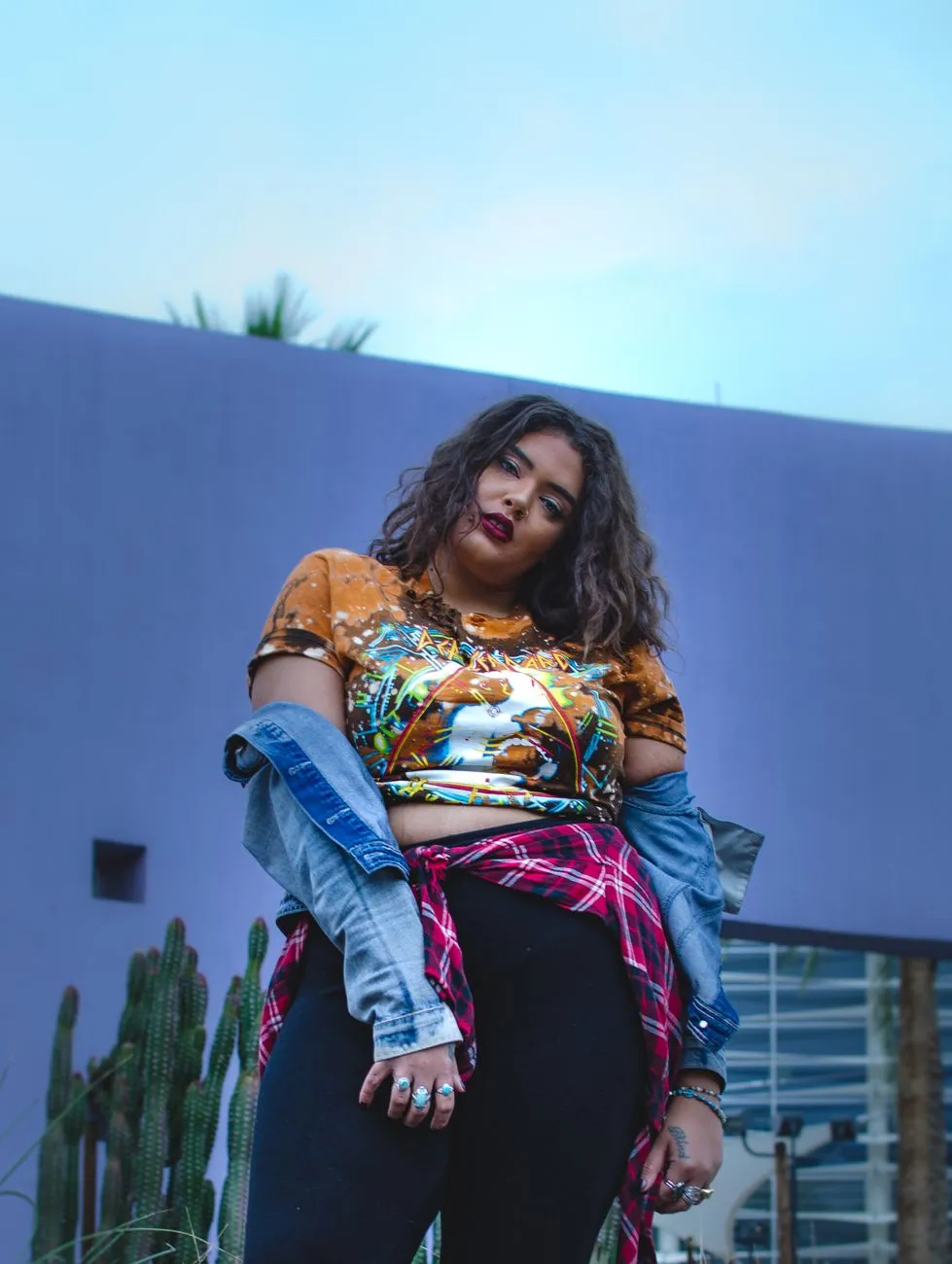 Photo: Jacob / Pexels
Straight-leg pants: the balanced everyday cut
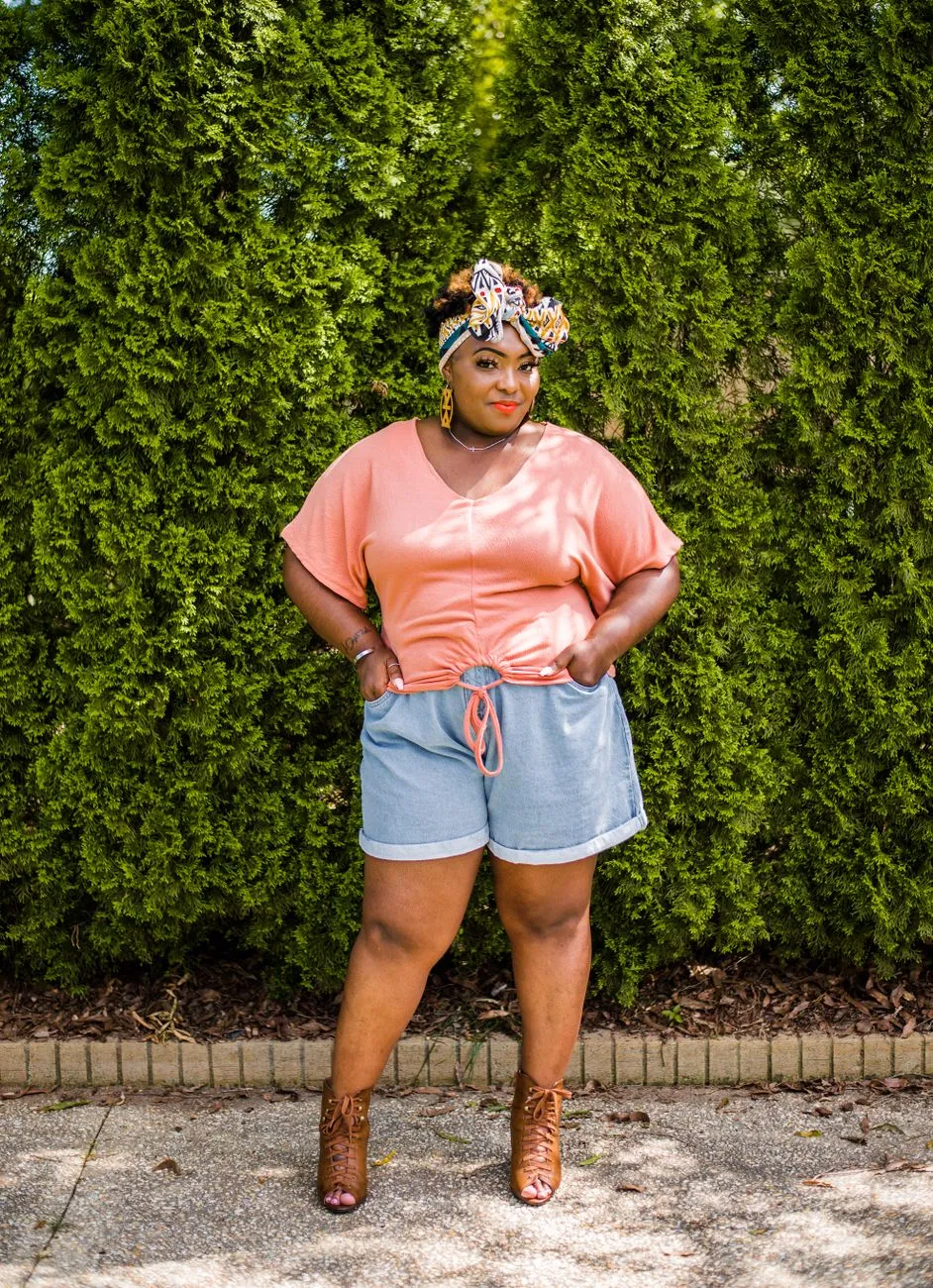
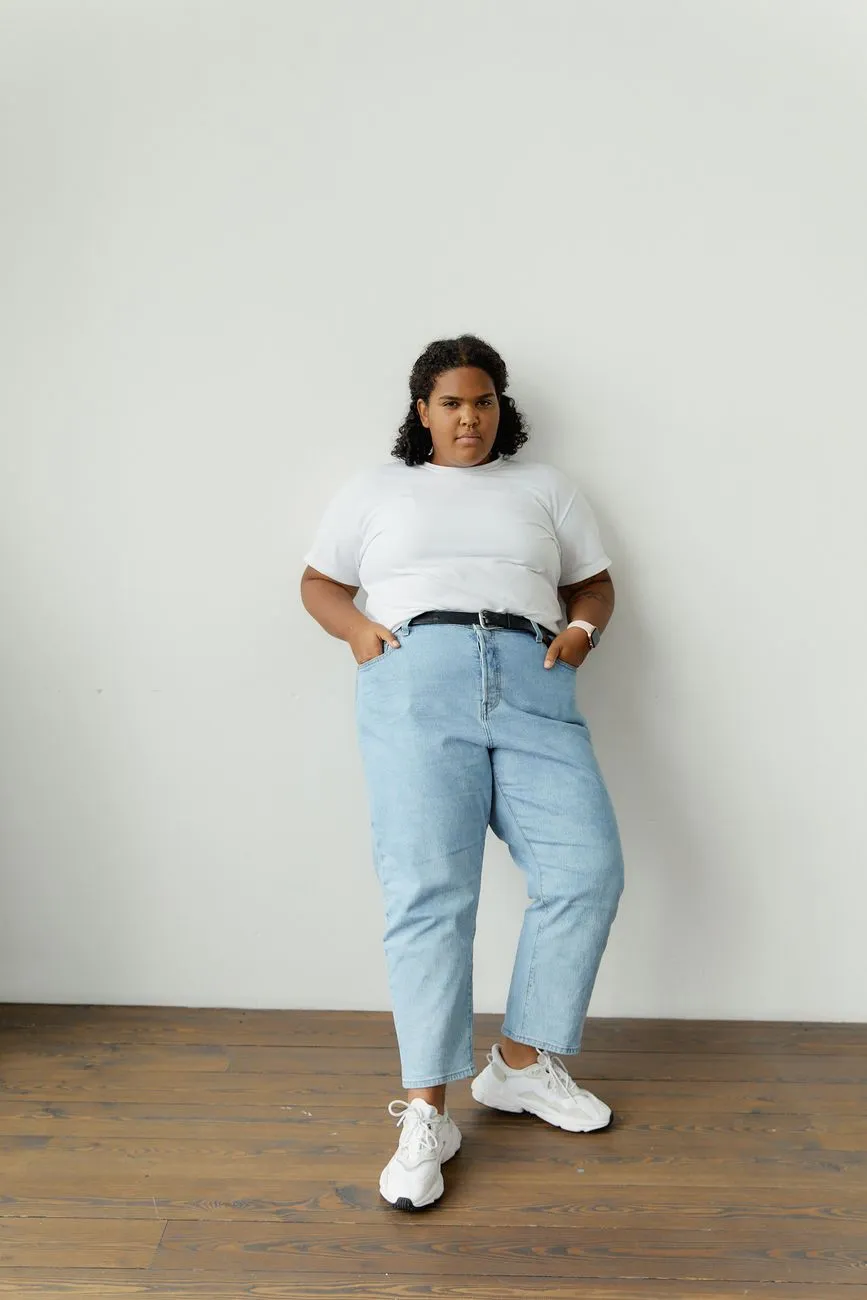
Straight-leg pants have a consistent width from hip to hem, or only a very slight taper. They are not skinny and not baggy. This is the easiest cut if you want one pair that works for errands, casual workdays and dinners.
For plus-size bodies, a straight leg skims over the hip and thigh without clinging or adding extra volume at the ankle. It creates a clean vertical line and balances a larger bust or shoulder line. Look for a fit that follows your body without pulling across the hip; if the pockets gape or the fly pulls, try a different rise or a size up.
Styling: For women, pair a straight-leg pant with a fitted fine knit or a boxy tucked tee and a cropped jacket. Low-profile sneakers, loafers or ankle boots all work. For men, straight-cut chinos or wool trousers with room in the seat and thigh look sharp with an untucked oxford, a knit polo, and derby shoes or loafers.
What to avoid: A straight leg that is hemmed too short and hits above the ankle can interrupt the leg line. Let the hem skim the top of your shoe, or go for an intentional cropped look with a sleek shoe.
If you carry more fullness through your hips and thighs, lighter or more detailed tops can help balance the lower half; the What to Wear for a Pear Body Shape guide has more on that.
Wide-leg pants: the long, comfortable line
Wide-leg pants are cut with extra room from the hip through the hem, usually with a high or mid rise. For plus-size bodies, this cut can feel freeing and look polished, but the details matter.
Choose a high or mid rise so the fullness starts below the smallest part of your waist. The fabric should have some drape—fluid crepe, soft twill, or a lightweight wool blend—so the leg falls downward rather than standing out stiffly. A very stiff wide leg can add visual weight; a very thin, clingy one can lose structure.
Styling: Keep the top relatively slim or tucked in. A fitted tee, fine knit, camisole or cropped sweater works well. For men, a pair of wide-leg trousers in a flowy material works with a tucked tee and minimal sneakers or derbies. If you like outfit formulas, see What Top to Wear with Wide Leg Pants: 15 Flattering Outfits.
Shoes and length: Floor-grazing wide legs with a pointed or almond toe shoe, low block heel or platform create the longest line. Avoid very chunky sneakers unless the pants are cropped and you are playing with proportion. If your shoulders are narrower, keep the volume moderate and use a fitted top. A wide leg that stops mid-calf can cut your height; if you are petite, an almost-floor-length hem with a heel is usually more flattering.
Flare pants: the retro leg-lengthener
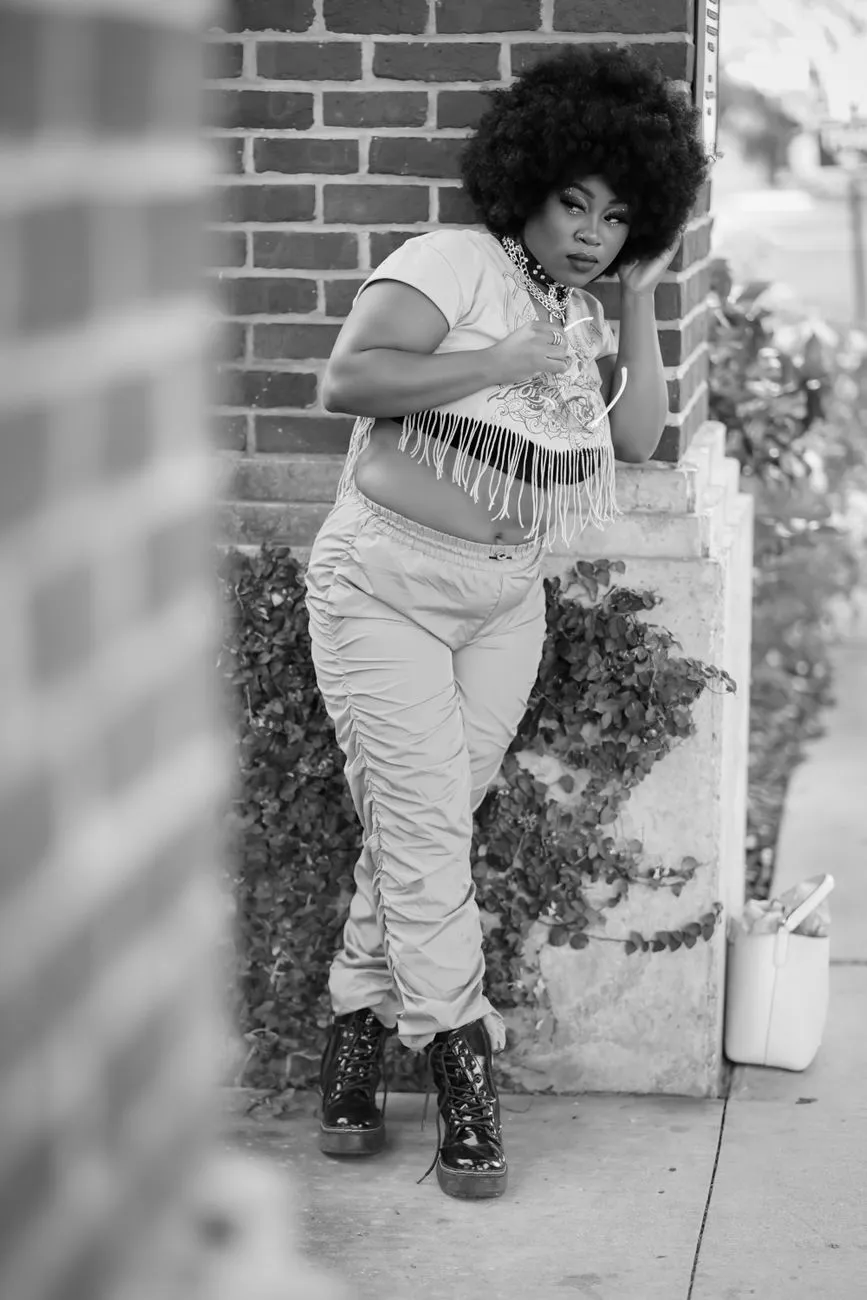
Flare pants fit through the hip and thigh, then open from the knee to the hem. They can be dramatic or subtle. For plus-size wearers, the fitted upper leg shows your shape, while the flare creates length and balances a wider hip or thigh.
The key fit points: choose a high or mid rise, and make sure the thigh fits smoothly. If you see horizontal pull lines across the hip or front, the thigh is too tight. A stretch blend helps movement. The flare should start around or just below the knee, not at the hip, for the most elongating effect.
Length and shoes: Flares work best when the hem almost touches the floor with your shoes on. If you wear them with a low heel or platform, the leg line gets longer. For women, try a dark solid pair with a fitted top and a waist-length jacket. For men, a bootcut jean or trouser gives a similar effect with less drama.
What to avoid: Cropped flares that end at the widest part of the calf can make the lower leg look shorter. If you want a cropped flare, pair it with a low block heel or a boot that covers the ankle, and keep the rest of the outfit simple.
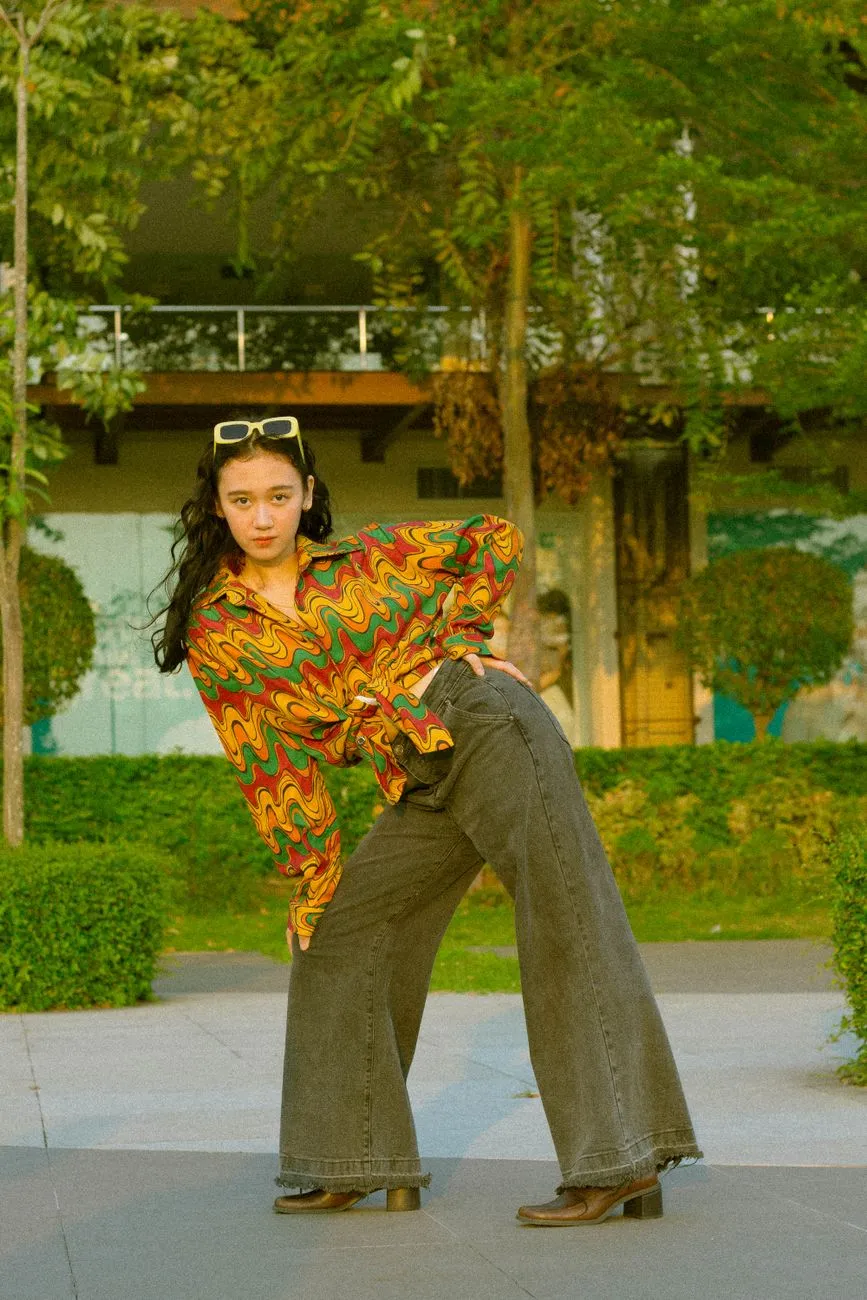 Photo: Stephen C / Pexels
Tailored pants: clean lines for work and beyond
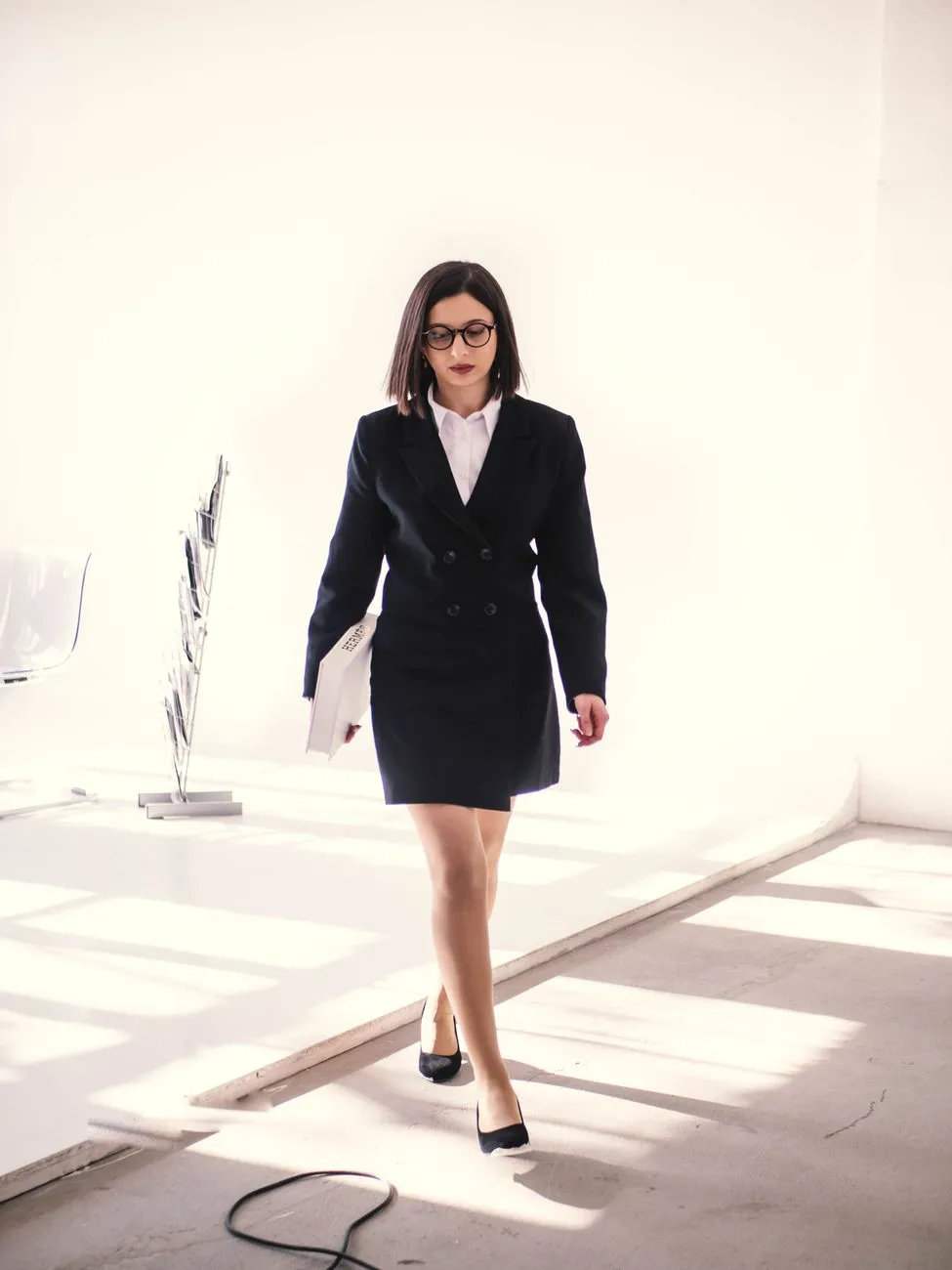
Tailored pants are structured trousers, usually with a front crease, zip fly, and a neat waistband. They can be straight, slightly tapered or wide, but the difference is the crisp finish. This is the most office-friendly cut, but a good pair works for dinners and events too.
For plus-size bodies, look for a flat front or a single pleat for room through the hip and thigh. The waistband should sit at the natural waist or just below without gaping at the back. A little stretch in the fabric can make sitting more comfortable. The front crease should fall straight; if it pulls open at the crotch, the pants are too tight or the rise is too short.
Styling: For women, a tailored pant looks good with a silky blouse half-tucked, a fine knit, or a fitted jacket. Shoes: pointed flats, low block heels, or sleek loafers. For men, tailored trousers with a higher rise and a straight or subtly tapered leg look sharp with an oxford shirt, an untucked merino knit, and derby or loafers. Avoid a very aggressive taper because it can make the hip area look wider by contrast.
Fabrics, lengths and shoes that do the heavy lifting
Once you know your cut, fabric and length determine whether the pants look intentional. For plus-size pants, the safest fabrics have medium weight, some stretch or drape, and a smooth surface.
Fabrics that work
- Ponte knit: substantial, stretchy, smooth; great for straight and tailored pants.
- Cotton twill or gabardine: structured and breathable; good for straight and wide.
- Wool or wool-blend suiting: crisp yet drapey; ideal for tailored.
- Crepe or fluid viscose: soft movement; good for wide and flare.
- Linen blends: good in hot weather but choose a heavier blend to avoid too much rumple.
Avoid very thin shiny synthetics that cling to every line, and very stiff fabrics that add extra bulk to wide or flared cuts.
Lengths
Full-length pants that skim the top of your shoe are usually the most elongating. Floor-grazing works for wide and flare. Ankle crops can work if they end just above the ankle bone, not at the widest part of the calf. If you are between lengths, buy for the longer hem and have it altered.
Shoes
Pointed or almond toe shapes extend the leg. Low block heels, slim loafers, minimal sneakers and sleek ankle boots are all useful. Wide or very heavy soles can shorten the line, so use them only when the outfit is deliberately chunky or the pants are cropped.
How to choose between the four cuts
Use this quick decision guide:
- Choose straight if you want an easy, balanced everyday pant that works with most shoes.
- Choose wide if you want more room, a longer line, and a modern relaxed look.
- Choose flare if you want to show your shape through the hip and add retro length.
- Choose tailored if you need a polished, structured pair for work or formal settings.
If you already own one of each, you have a strong trouser capsule; see Capsule Wardrobe How to Build for how to mix them.
If you are stuck between two cuts, use Macgi to preview them on your body. You can upload one full-body photo or take one on the phone, then try a top, a top with trousers, or a dress. The result arrives in about 15–40 seconds. The AI keeps your face, body shape, skin tone, pose and background and changes only the clothes, so you can compare the actual silhouettes on your own proportions. Your photos are used only for your own try-on images and are never posted, shared, used for ads or AI training. The temporary copy sent to the AI is deleted within 24 hours. It works in the phone browser with no app. Keep in mind that the result is an AI preview, not a promise of fit; always check the store’s size chart before buying.
FAQ
What pants style is most flattering on plus-size?
There is no single most flattering cut. High-rise straight and wide-leg pants are usually the easiest because they define the waist and create a clean line, but the best pair is the one that fits your hips and waist without pulling or gaping.
Should plus-size people avoid skinny pants?
No, but they are not the only option. Straight and wide legs often feel more comfortable and balanced. If you want a skinny or fitted leg, wear it with a longer, looser top and check that the thigh and knee are not overly tight.
Are wide-leg pants good for plus-size bodies?
Yes, especially with a high rise and a floor-grazing hem. Choose a fabric with drape, keep the top fitted or tucked, and use a sleek shoe to maintain length.
What rise should I choose?
High or mid rise usually works best for plus-size pants because the waistband stays put and does not cut across the lower belly. Low rise can work if it fits well and you style it deliberately.
How should plus-size pants fit through the hip and thigh?
They should skim without pulling. If the pockets gape, the fly pulls, or you see horizontal lines across the front of the thigh, try a size up or a different cut or rise, and tailor the waist if needed.
Can I wear cropped pants?
Yes. Choose a crop that ends just above the ankle, not at the widest part of the calf. Pair with a sleek shoe or a boot to keep the line long. Avoid crops that are too short and wide.