Macgi
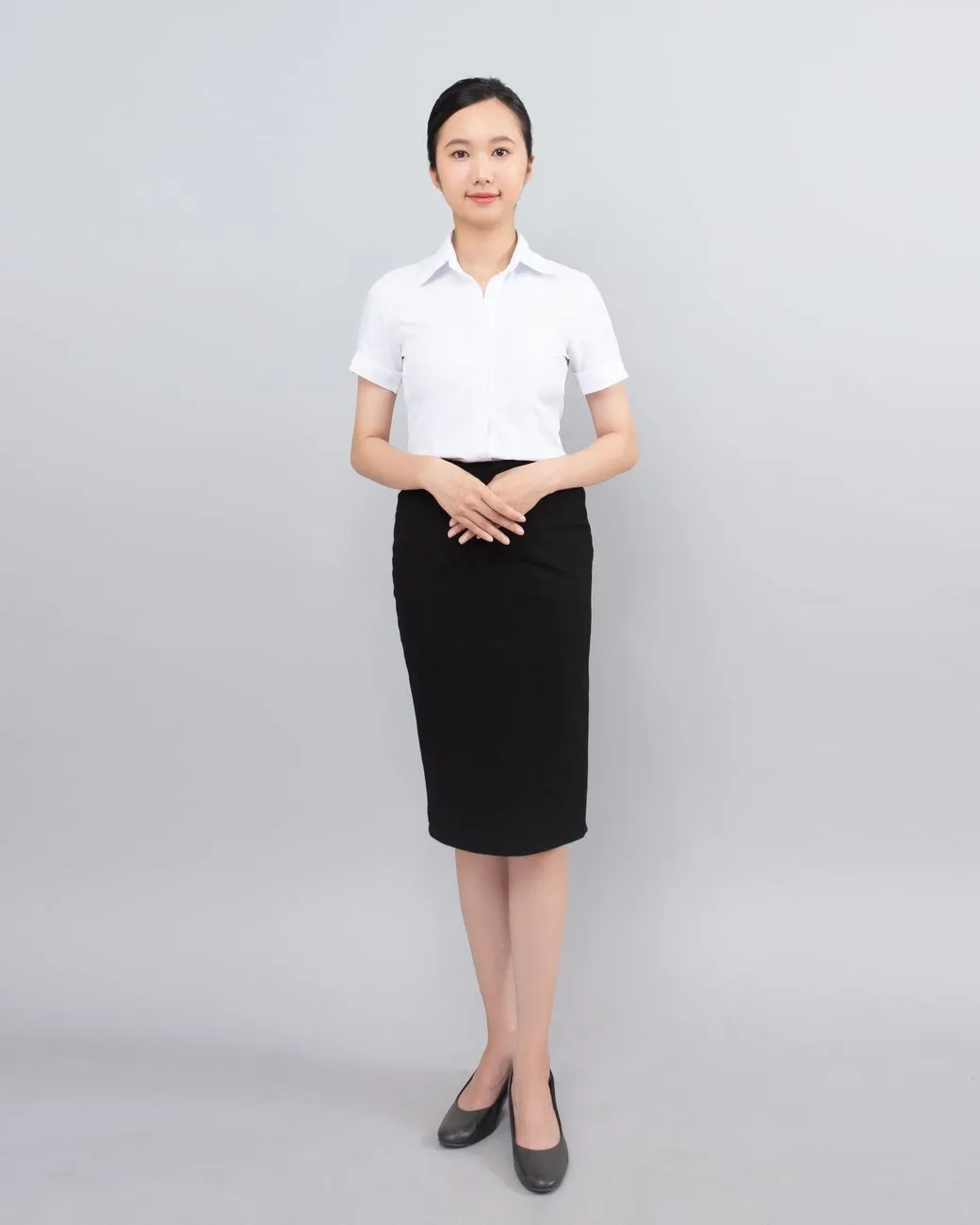
An interview outfit has one quiet job: let the interviewer focus on your answers, not your clothes. That doesn’t mean everyone needs the same black suit. It means reading the company’s level of formality and going one small step more polished than what people wear on a normal Tuesday.
Start with the company, not the clothes
A charcoal suit can look perfectly safe at a bank and oddly stiff at a design studio. A smart knit and dark jeans can look confident at a startup and underdressed at a law firm. Before you choose anything, ask yourself: what would someone in this role wear on a normal Tuesday? Then go slightly more polished than that.
Corporate and formal offices
Think finance, law, government, consulting and large traditional companies. Here the safe zone is a suit or suit-like separates in neutral colours: navy, charcoal, black, dark brown. Shirts should be crisp and light-coloured. Shoes should be closed, clean and leather or leather-like.
For women, a tailored jacket with trousers or a knee-length shift dress works. For men, a two-piece suit with a long-sleeved shirt and tie is the conventional choice. The goal is to look instantly credible, not fashionable.
Business casual and smart casual offices
This is the broadest category. It includes many tech, marketing, education, healthcare and mid-size corporate teams. You still want structure, but you can usually replace the full suit with separates.
Safe options: a blouse or fine-knit top with tailored trousers; a well-fitted Oxford shirt with chinos or wool-blend trousers; a knee-length or midi dress with a cardigan or blazer. Dark jeans may be acceptable only if the company is clearly on the casual end, and even then choose dark indigo with no rips, fading or distressing.
Casual and creative workplaces
Some startups, design studios, media companies and creative agencies expect less formality. Here the risk is dressing so formally that you seem out of place, or so casually that you seem not to care. A safe middle is “relaxed but intentional”: a clean crewneck or fine-gauge knit, dark jeans or chinos, and leather trainers or minimal sneakers if the environment is truly casual. Avoid shorts, flip-flops, slogan tees and anything you would wear to the beach.
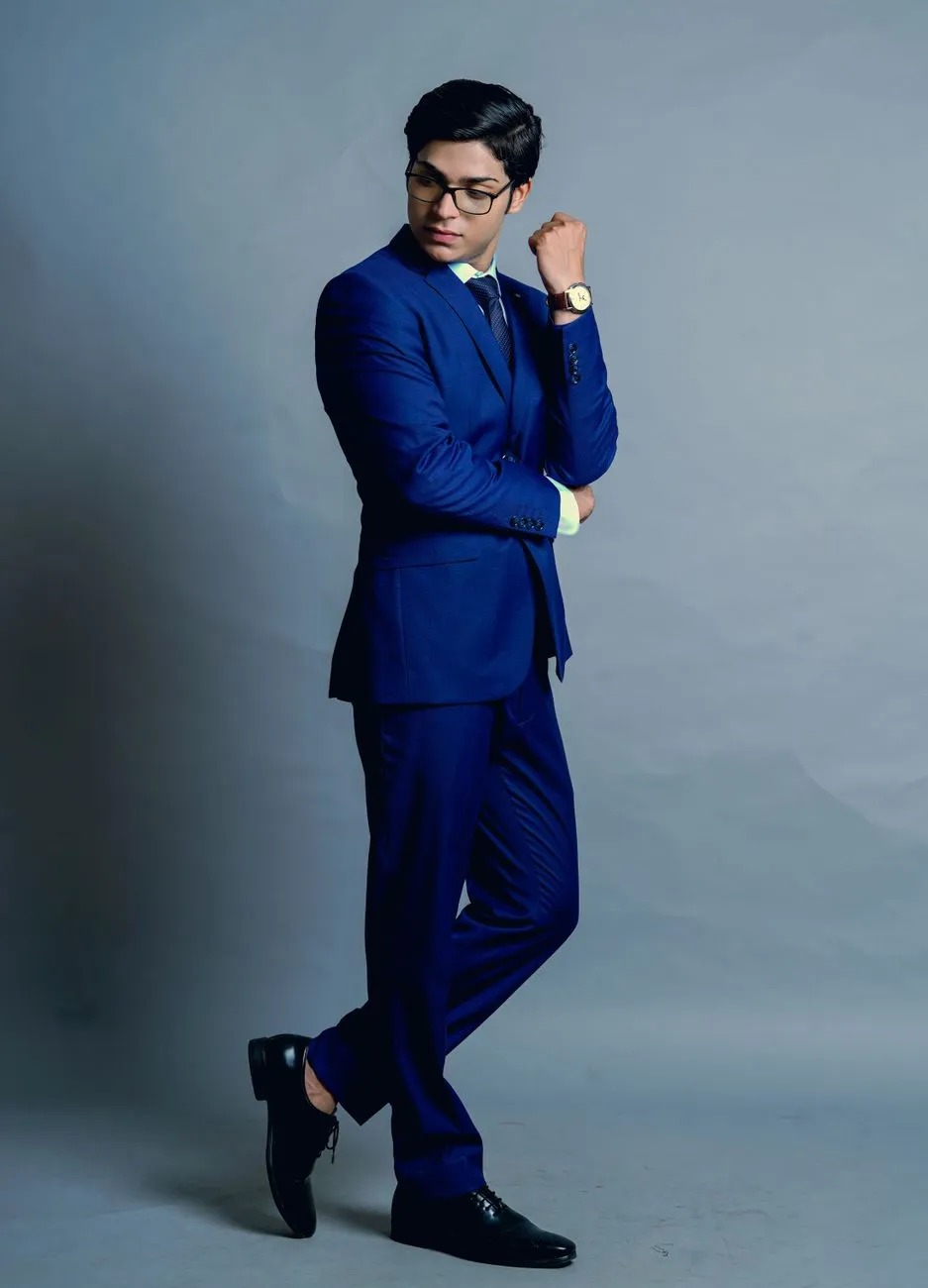 Photo: Sujal _ Singh__5 / Pexels
Safe outfit formulas for women
These formulas work across most business casual and formal settings. Adjust colour and fabric based on the company level.
Blouse + tailored trousers + low block heel
A plain or subtly patterned blouse tucked into high-waisted tailored trousers. Choose trousers that skim the body without pulling. A low block heel or pointed flat keeps the line clean. In more formal offices, add a blazer in the same colour as the trousers.
Fabrics that hold their shape are easiest: cotton poplin, ponte, wool-blend suiting and crepe. Avoid thin fabrics that wrinkle easily unless you can steam them before the interview.
Knee-length dress + closed-toe shoes
A shift, sheath or simple A-line dress that ends at or just above the knee reads polished without requiring much styling. Add a slim belt only if the dress needs it. Closed-toe pumps, low heels or neat flats work. In cold weather, add opaque tights.
If you want to soften a rectangle silhouette, a dress with a defined waist or subtle belt can help create shape. For more targeted tips, see How to Dress for Your Body Type: Measure, Identify and Style.
Fine-knit top + midi skirt + loafers
A lightweight fine-knit top tucked or half-tucked into a midi skirt in a stable fabric. The skirt length should fall below the knee but above the ankle. Loafers, ballet flats or block heels keep it comfortable. This formula is especially useful in creative or business casual environments where a full suit feels too heavy.
What to avoid for women in most interviews: very short skirts or dresses, low-cut tops, sheer fabric without a layer, very high stilettos, strappy evening sandals, and strong logos or slogans. These details tend to pull attention away from your answers.
Safe outfit formulas for men
The core idea for men is clean fit and consistent formality. Most interview mistakes come from clothes that fit poorly or mixing formalities, like a suit jacket with joggers.
Oxford shirt + tailored chinos or wool trousers + leather shoes
A light-coloured Oxford or poplin shirt with tailored trousers in navy, charcoal, khaki or grey. Tuck the shirt in and add a leather belt that matches your shoes. In a more formal office, add a blazer or suit jacket. In a business casual office, this formula alone is usually enough.
Fit check: the shoulder seam should sit at the edge of the shoulder, the sleeve should end at the wrist bone, and the shirt should not pull at the buttons.
Fine-gauge knit or long-sleeved polo + blazer + dark trousers
For smart casual or creative offices, a merino or cotton fine-knit over a collared shirt, or a long-sleeved polo, can replace the shirt-and-tie look. Keep the knit plain and dark or neutral. A blazer can be swapped for a clean cardigan or unstructured jacket if the room is casual.
Avoid thin, shiny knit fabrics and short-sleeve shirts with a tie, which can look dated.
Crewneck + dark jeans or chinos + minimal leather trainers
Only for clearly casual environments. A plain dark crewneck or fine knit, dark indigo jeans with no distressing, and clean leather or suede trainers. This is not a formula for corporate interviews. If you are unsure, choose chinos and leather shoes instead of jeans and trainers.
Common things to avoid for men: wrinkled shirts, square-toed synthetic shoes, overly bright or novelty ties, white sports socks with formal trousers, and strong cologne.
 Photo: MART PRODUCTION / Pexels
Grooming details that quietly lift the outfit
Small details often matter more than an extra layer. They signal preparation.
- Press or steam your clothes. Wrinkles can make even good clothes look rushed.
- Clean your shoes, including the edges of the soles.
- Keep nails short and clean; if you wear nail polish, choose a subtle or neutral shade if you want to keep the focus on the interview.
- Hair should be tidy and away from your face; for longer hair, a low ponytail or simple style is practical.
- If you wear makeup, a light, natural look is safest; avoid strong fragrance.
- Turn off your phone and do a quick mirror check before you enter.
These are suggestions for creating a polished impression, not rules about how anyone must look. The goal is simply to remove distractions.
Seasonal adjustments without changing the formula
You do not need a different interview wardrobe for every season, but fabric and layers should change.
Hot weather
Choose breathable natural or blended fabrics: cotton, linen blends, tropical wool and viscose. Women can wear short-sleeved dresses or blouses, but keep the length and neckline conservative. Men can wear a light long-sleeved shirt and roll the sleeves neatly once you are outside the building. Avoid sweat-visible light grey if you tend to overheat; a pale blue or white with an undershirt can be more forgiving.
Cold weather
Layer under the same outer formula. A wool overcoat or simple car coat over a suit looks sharper than a bulky puffer indoors. For women, fine merino knits, opaque tights and a scarf can add warmth without changing the outfit. For men, an overcoat, leather gloves and a scarf in a neutral colour work well. Keep boots clean and avoid heavy snow boots if you can change into shoes.
Rainy weather
If you must commute in rain, carry an umbrella and wear shoes that can handle water, then change into interview shoes at the office or before entering. A waterproof coat in a plain colour is fine; just avoid arriving soaked.
Try your interview outfit before the interview
Once you have a formula in mind, test it. Put on the actual pieces and sit down, reach forward as if shaking hands, and walk a few steps. Does the jacket pull? Does the skirt ride up? Are the shoes quiet on a hard floor?
You can also preview the silhouette on your own photo using Macgi in your phone browser, no app needed. Upload a full-body photo or take one on the spot, choose a top, a top with trousers, or a dress, and in about 15–40 seconds you get an AI preview that keeps your face, body shape, skin tone, pose and background and changes only the clothes—no body editing. This is helpful for comparing, say, a navy blazer with charcoal trousers versus a plain dress, without changing in and out repeatedly. The photos are used only for your own try-on images; they are never posted, shared, used for ads or AI training, and the temporary copy sent to the AI is deleted within 24 hours. Just keep in mind that try-on images are AI previews, not a fit guarantee, so always check the store’s size chart before deciding. For a better result, see How to Take a Full-Body Photo for AI Try-On, and if you want to know what the tool does and does not change, read Is AI Try-On Accurate? What It Keeps and What It Changes.
FAQ
What colours are safest for an interview?
Navy, charcoal, grey, black, white, cream, pale blue and muted earth tones are the easiest to combine and rarely look out of place. Bright colours can work in small doses, like a blouse or tie, but keep the base neutral.
Can I wear jeans to an interview?
Only if the company is clearly casual and you choose dark indigo jeans with no rips, fading or whiskering. If you have any doubt, choose tailored trousers or chinos instead.
Do I have to wear a suit?
No. Match the formality to the company. A suit is safest in corporate settings, but business casual and creative workplaces often accept smart separates, a dress, or a knit with tailored trousers.
What shoes should I avoid?
Avoid scuffed shoes, open-toe sandals in formal settings, very high heels, sports trainers in formal offices, and anything too worn. Choose clean, quiet, closed-toe shoes that match the outfit.
How should I prepare my outfit the night before?
Hang or steam it, check for loose threads or missing buttons, pack your bag with a spare pair of tights or a stain wipe, and set out your shoes. A quick test with your full outfit can help you sleep easier.