Macgi
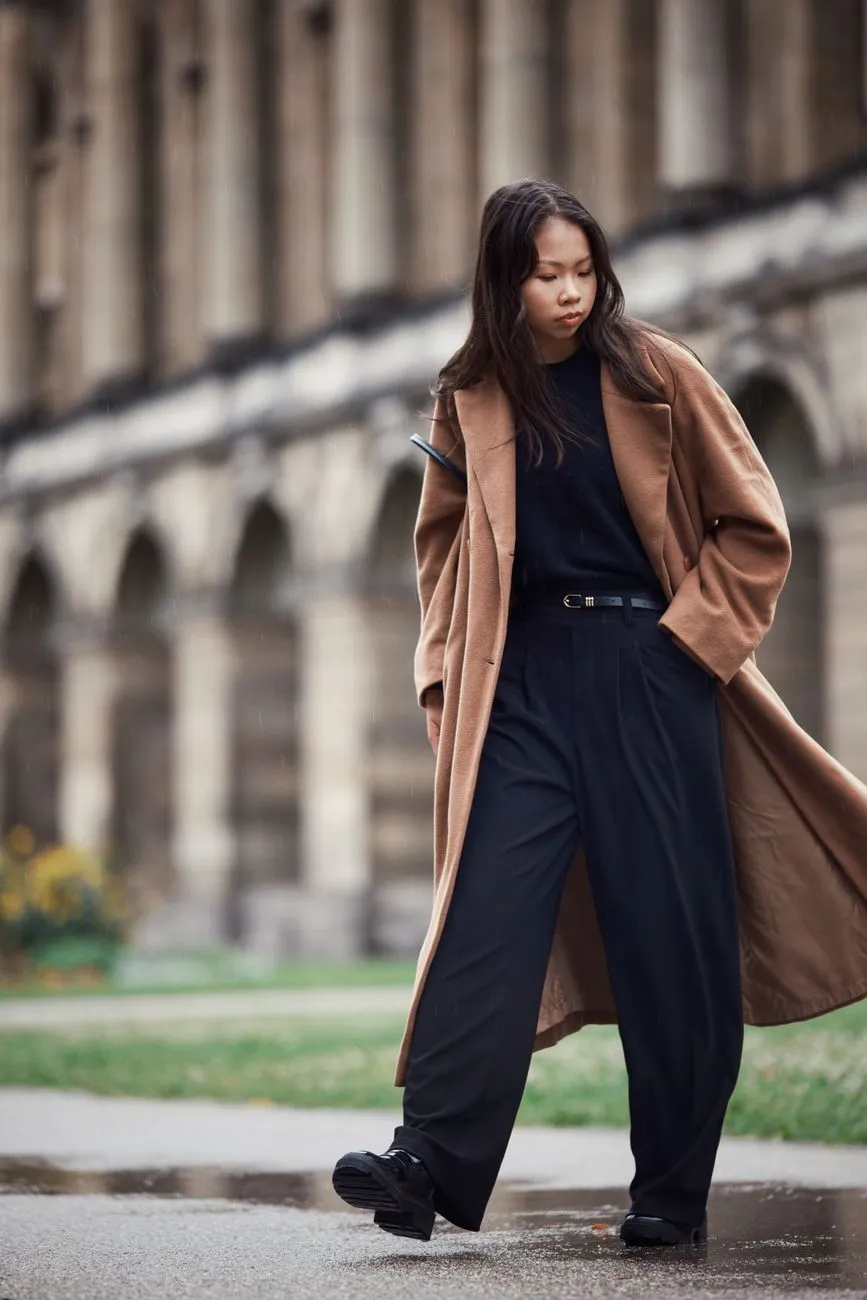
Dress like you live there, not like you are passing through
Europe is not one style. A person in Copenhagen dresses differently from someone in Lisbon, and even within the same country, a beach town and a capital city can feel worlds apart. Still, if you are visiting major European cities and want to avoid standing out as a tourist, there are a few habits that help.
Start with a quieter color story: navy, black, white, beige, grey, olive, chocolate and denim blue. Add one accent at most—a rust scarf, a red bag, a mustard knit. Logos, slogans and large graphics tend to read as tourist-shop souvenirs, not as a local wardrobe.
Fit matters more than fashion. A plain T-shirt that sits correctly at the shoulder, trousers hemmed to the right length and a jacket that closes without pulling will look more intentional than anything busy or heavily branded. In many European city centers, sportswear is still mostly for sport. A full tracksuit or gym outfit can look out of place in a restaurant or museum, even if it is comfortable.
The quickest upgrades are usually shoes, bag and layers. Swap flip-flops for clean leather sneakers or supportive sandals. Swap a bulky backpack for a small crossbody. Swap a bright plastic rain poncho for a light rain jacket or trench. None of this is about being formal. It is about looking calm and put together while you walk, eat, queue and use public transport.
Pack a capsule around outfit formulas, not a list of items
Instead of packing pieces you like but cannot combine, pack outfits that share a small number of colors and fabrics. A useful week in Europe can be three to four tops, two to three bottoms, one dress or overshirt, one outer layer, and two pairs of shoes. If every top works with every bottom, you create far more looks than the number of items suggests.
Two easy formulas:
- For women: a midi dress with clean sneakers; straight-leg trousers with a tucked tee or knit and a trench or blazer; linen trousers with a sleeveless top and a light scarf for warmer days.
- For men: chinos or dark jeans with an Oxford shirt, a crewneck and a jacket; linen trousers with a short-sleeve shirt; a plain tee under an overshirt.
Before you commit to a combination, preview it. Macgi lets you upload one full-body photo in your phone browser, choose a top, a top with trousers, or a dress, and see the result in about 15–40 seconds. The AI keeps your face, body shape, skin tone, pose and background and changes only the clothes, so you get a realistic style check without any body editing. Your photo is used only for your own try-on image—it is never posted, shared, used for ads or AI training, and the temporary copy sent to the AI is deleted within 24 hours. Try-on images are AI previews, not sizing guarantees, so still check the store’s size chart before buying. For a step-by-step pre-trip routine, see Try On Clothes Online Before Buying: 5 Steps to Fewer Returns.
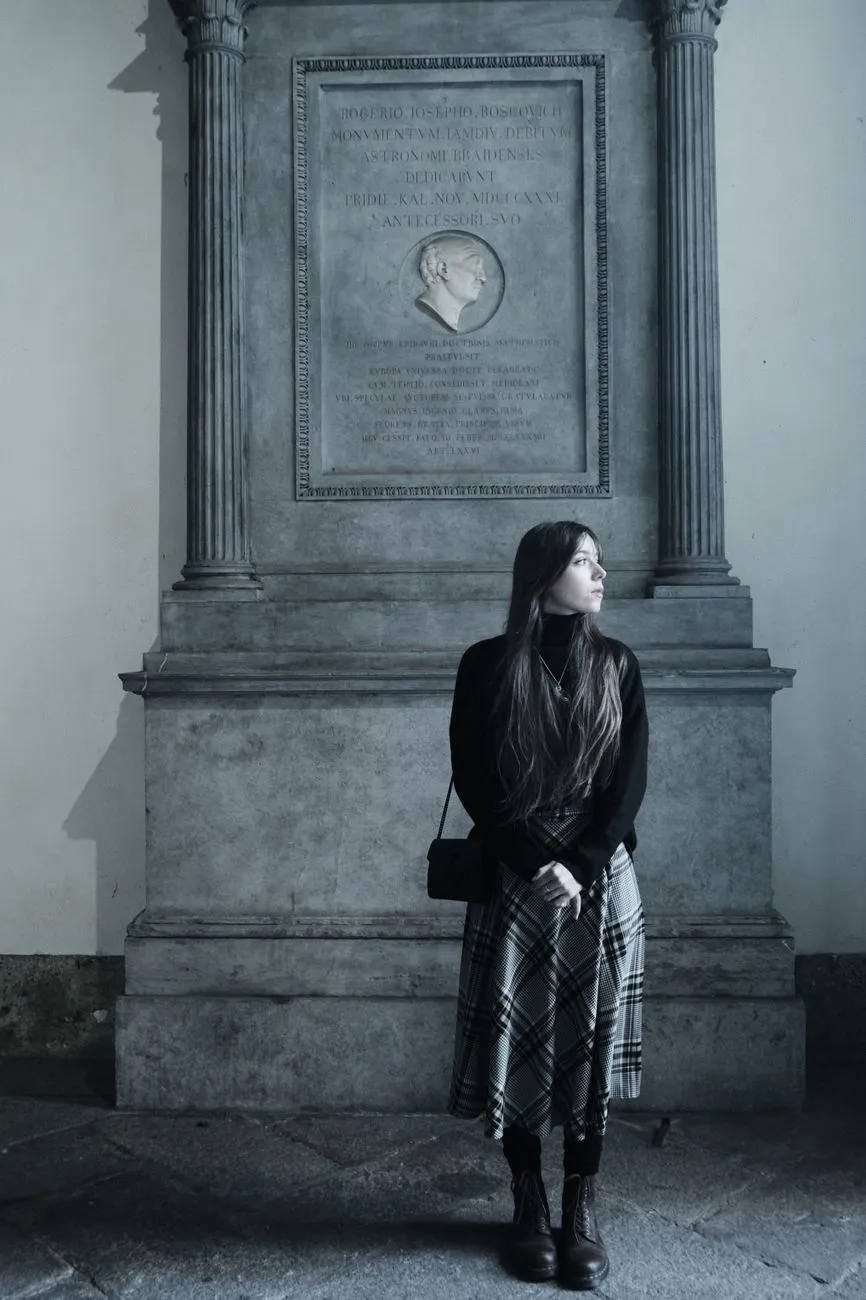 Photo: Hamit Ferhat / Pexels
Church and Vatican coverage rules
Many European churches, basilicas and monasteries ask visitors to cover their shoulders and knees, regardless of gender. The Vatican, including St Peter’s Basilica and the Vatican Museums, is known for enforcing this. In hot weather this becomes the classic travel mistake: you plan to visit a church, but your outfit is shorts and a sleeveless top.
Pack one church-friendly base so you never have to skip a site:
- A large scarf, pashmina or sarong. Women can drape it over shoulders or tie it around the waist to cover shorts or a shorter skirt.
- A pair of full-length lightweight trousers or a midi/maxi skirt or dress. Linen and light cotton are comfortable even in summer.
- A top with sleeves, or a long-sleeve shirt you can roll up after leaving.
For men, the same shoulder and knee rule applies. Shorts and sleeveless tops can be refused at stricter sites. A thin long-sleeve shirt and lightweight chinos or linen trousers solve this without overheating. Low necklines and bare midriffs can also be an issue at more conservative places, so keep a scarf or button-up layer on hand.
Shoes are rarely part of the dress code, but quiet soles are more respectful inside active places of worship. On a heavy sightseeing day, wear your church-friendly base and keep a scarf in your bag, so you only need to add or remove one layer.
Shoes for cobblestones: walk all day without blisters
Cobblestones look beautiful, but they are uneven, slippery when wet, and often paired with hills, stairs and long museum queues. The right shoes can make the difference between a comfortable trip and a day ruined by foot pain.
What to look for:
- A rubber sole with enough cushion. Very thin soles transmit every stone and leave your feet tired faster.
- A secure back or strap. Mules and backless slip-ons can slide and force your toes to grip.
- A low, wide heel if you want height. Thin stilettos can catch between stones. A block heel under about 5 cm works for dinner but is not always the best choice for a full day of walking.
- A breathable upper in summer and a water-resistant upper in spring and autumn.
Two pairs are usually enough: a clean leather sneaker for daytime, and a smarter but still walkable option—a Chelsea boot, leather loafer, or low block-heel boot—for dinner. In summer, pick supportive leather sandals with a backstrap rather than flip-flops for long city walks.
Break your shoes in at home for at least a few long walks before the trip. Carry blister plasters in your day bag, and choose socks that are not too thin, because they reduce friction. If a shoe fits well but feels hard underfoot, replace the insole before you leave rather than hoping it will soften after the first ten kilometres.
Season by Season: Spring, Summer, Autumn
Spring in Europe
Spring changes quickly. March can feel like late winter in Paris or Amsterdam, while May in southern Spain can already be hot. The solution is layering rather than one heavy coat.
- For women: a midi skirt or dress with a trench; straight jeans with a tucked knit, light scarf and white leather sneakers; or chinos with a cotton blouse. Keep an umbrella or packable rain jacket nearby.
- For men: chinos or dark jeans with an Oxford shirt, a crewneck sweater and a light rain jacket or field jacket. Derby shoes or clean leather sneakers work well.
Useful colors are olive, navy, beige, blush and light blue. Heavy puffers, open sandals and linen shorts can feel too early unless the forecast is reliably warm. Check the city you are visiting, not the country as a whole.
Summer in Europe
Summer splits into two zones. Northern Europe can be warm but mild, while the Mediterranean is often very hot. The same rule covers both: choose breathable fabrics such as cotton, linen, viscose and lightweight chambray. Loose but not oversized fits let air move while still looking polished.
- For women: linen trousers with a cotton tank and an open shirt; a midi or maxi dress in linen or viscose; or a cotton skirt with a tucked tee. Add a hat, sunglasses and supportive sandals or clean sneakers. Keep a scarf for churches and cool air-conditioned interiors.
- For men: a linen shirt or short-sleeve shirt, tailored cotton shorts for casual city days, or lightweight chinos. For churches and the Vatican, have full-length lightweight trousers available. Loafers or leather sandals with a backstrap work well.
Avoid tight synthetics, heavy denim and very short shorts if you want to blend in around central European streets. If your trip includes coast time, the packing logic changes; see What to Wear to the Beach: Day-to-Night Outfits, Linen & Sandals.
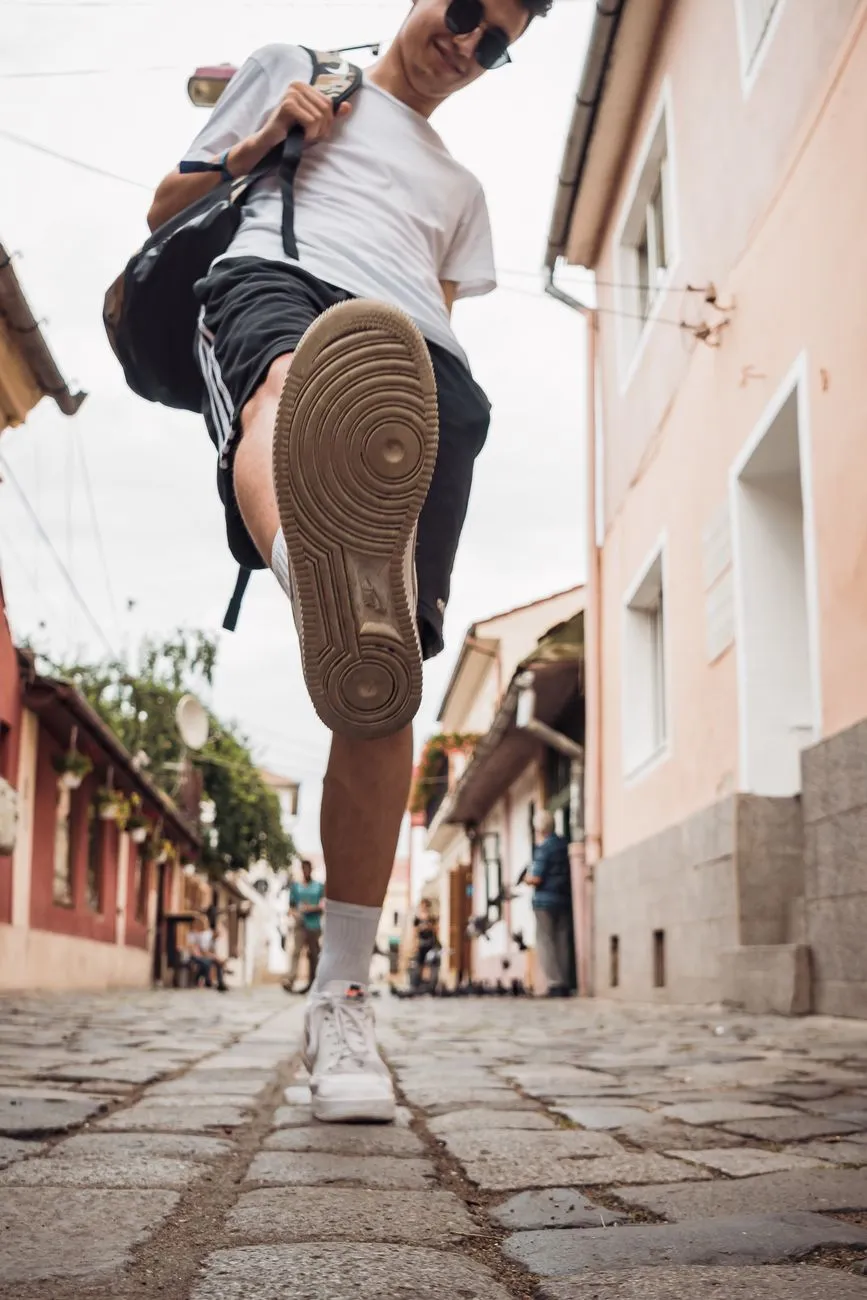 Photo: Vlad Chețan / Pexels
Autumn in Europe
Autumn is often the easiest season to dress for. September can still be warm in the south, while November can be cold and wet in the north. Add layers, richer colors, and a proper outer layer.
- For women: a turtleneck with straight-leg trousers and ankle boots; a knit dress with tights and Chelsea boots; or dark denim with a shirt and a wool coat. A trench or leather jacket works for early autumn.
- For men: a wool overshirt or chore jacket over a crewneck, dark jeans or chinos, and leather boots. If your trip continues into late autumn or a colder region, think carefully about the outer layer; see Best Winter Jacket Type: Windbreaker, Puffer, Fleece or Wool?.
Useful colors are chocolate, rust, forest green, burgundy, navy and grey. Once the evenings cool down, put away summer linen and open sandals.
FAQ
Is there one dress code for all of Europe?
No. A rainy day in Edinburgh and a beach afternoon in Athens require different things. The advice above is a working baseline for city trips. Check the local weather and the type of place you are visiting, then adjust the outer layer and shoe choice.
Can men wear shorts in Europe?
In many cities and casual settings, yes—especially in summer. But tailored shorts read more polished than gym or athletic shorts. In churches, the Vatican and some formal restaurants, full-length trousers are the safer choice. If you want to avoid a last-minute change, carry lightweight long trousers.
How do I stay comfortable and still look polished?
Choose unstructured, breathable fabrics in neutral colors, add one tailored layer such as a blazer or overshirt, and wear shoes that are clean and supportive. Comfort often comes from fit and fabric, not from wearing gym clothes.
Are sneakers acceptable at dinner?
Clean, minimal leather sneakers work in many casual restaurants and city-center places. For more formal dinner settings, leather loafers, derby shoes, Chelsea boots or a simple block-heel style are safer. If your sneakers look worn or dirty, leave them at the hotel.
What is the best way to cover knees and shoulders without overheating?
Carry a large lightweight scarf or sarong. Women can drape it over shoulders or wrap it around the waist. Men can use a thin long-sleeve shirt to roll up after visiting. Full-length linen or cotton trousers are the most reliable lower-body option in hot weather.