Macgi
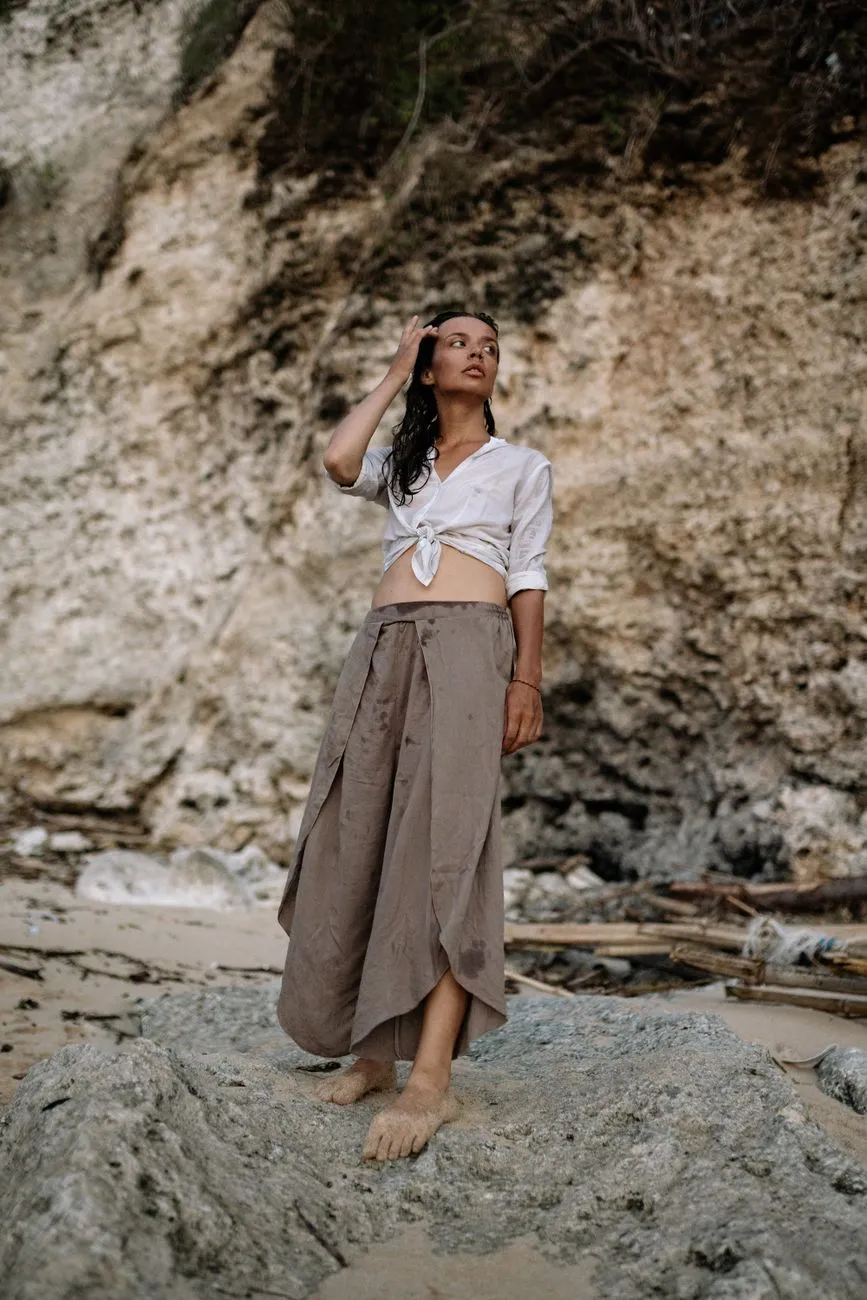
Beach dressing has a built-in tension. At noon you want something you can pull over a damp swimsuit, walk across hot sand and sit on a towel in. By evening, the same outfit should take you to a restaurant, a beach bar or a stroll along the promenade without looking like you just rolled out of the sea. The good news is that a few breathable, quick-drying pieces can do both. The trick is to choose cover-ups and shoes that are smart enough for the street but relaxed enough for the beach.
Build the base: swimwear and a cover-up that works as clothing
Start with swimwear you can actually move in. That means different things for different people: a one-piece with good bust support if you want to swim or play beach games, a high-waisted bottom and top if you prefer more coverage around the middle, or board shorts and a rash guard if you burn easily. There is no single “beach body” uniform. Choose what lets you sit, walk, bend down to pick up a towel and stay in the water comfortably.
The real workhorse is the cover-up. A good beach cover-up should be:
- Loose enough to pull over damp skin without wrestling.
- Opaque or semi-opaque enough for a cafe or shop.
- Made of something that dries quickly, such as cotton, linen, cotton voile or a linen blend.
- Long enough to sit on a bench without worry, unless you are deliberately wearing a short pareo.
Avoid anything too towel-like, such as a thick terry robe, if your plan includes leaving the sand. It reads as “pool only” and holds moisture. A better choice is a cover-up that could pass for clothing: a linen shirt, a shirt dress, a cotton kaftan with a structured neckline, or a long cotton sarong.
Linen and flowy pieces that breathe
Linen is not the only beach fabric, but it is the most reliable one. It breathes, dries quickly and wrinkles in a way that looks intentional rather than messy. Cotton voile, cotton gauze and lightweight viscose can also work, especially for dresses and wide-leg trousers. The key is that the fabric should move air and not cling when you sweat.
For women, the most useful linen and flowy pieces are:
- A midi shirt dress that can be worn open over a swimsuit or buttoned up for dinner.
- Wide-leg linen or viscose trousers that skim the hips and let air circulate.
- A midi or maxi skirt with an elastic or adjustable waist.
- A camp-collar shirt or oversized cotton shirt that can be knotted at the waist.
For men:
- A camp-collar or resort-collar shirt in linen or a linen-cotton blend.
- Chino or linen shorts that end just above or at the knee, not too tight.
- Tailored linen or linen-blend drawstring trousers for evening.
- A plain white or pale blue cotton tee for when you want a break from collars.
In general, avoid tight denim, heavy cotton jersey, dark polyester and anything with a lining. These fabrics trap heat, show sweat and become uncomfortable after a few hours in the sun. If you want structure, choose a shirt dress or button-through shirt rather than an unstructured kaftan, because it reads as more dressed-up when you button it and add a belt.
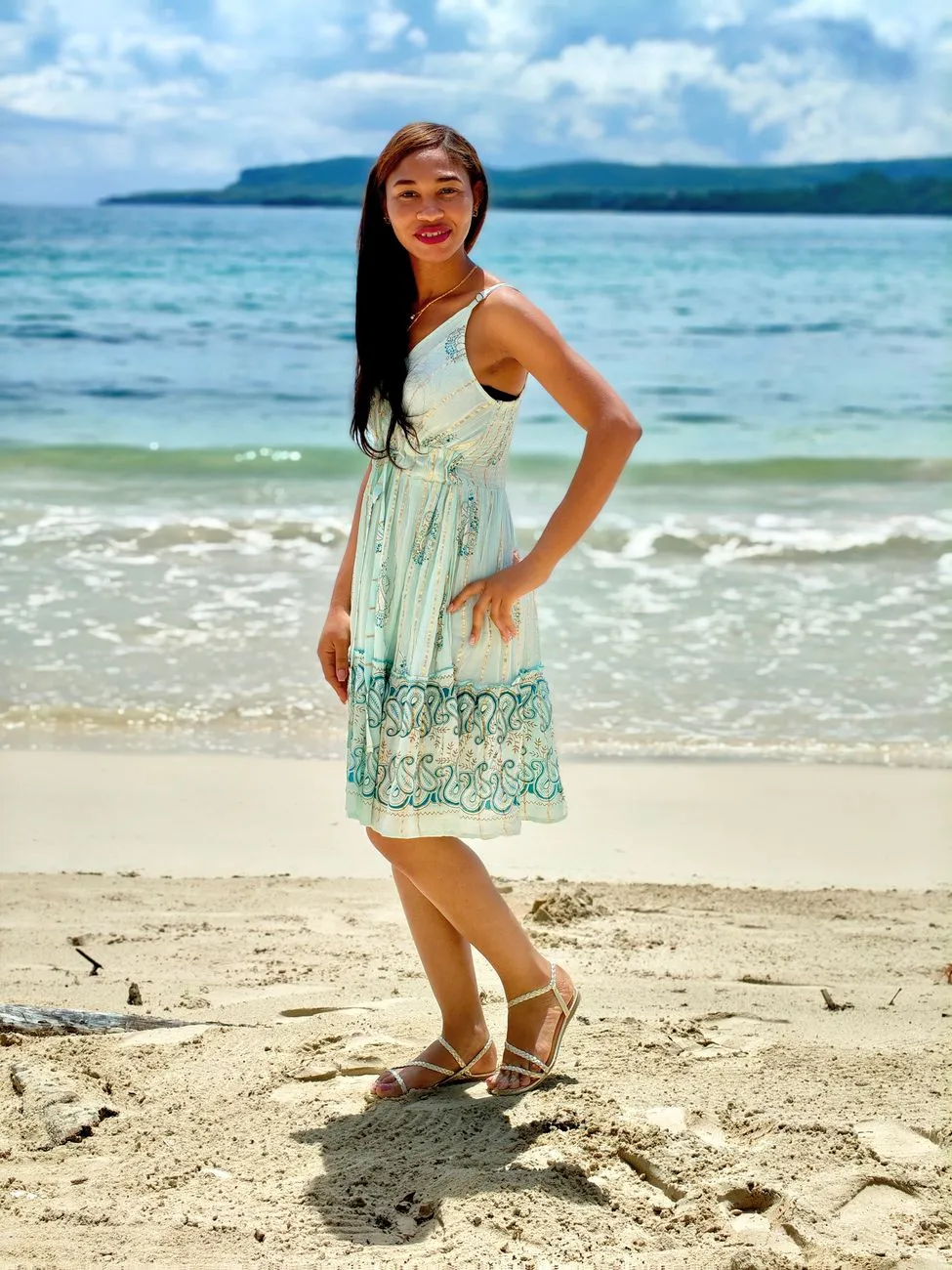 Photo: Joaquin Reyes Ramos / Pexels
Cover-up formulas: one piece, three outfits
The best beach wardrobe is built around pieces that can do more than one job. Here are three formulas that work for both women and men.
The oversized linen shirt
Wear it open over a swimsuit with shorts or a wrap skirt during the day. For evening, button it up, roll the sleeves once or twice, and pair it with wide-leg trousers or a midi skirt. If the shirt is long enough, you can tie the front tails in a knot and wear it over a slip dress or over a swimsuit as a cropped layer.
The long sarong or pareo
During the day, wrap it around your waist and tie it at the side or front. For evening, you can turn a wide sarong into a strapless dress by wrapping it snugly around the chest and knotting the ends, but only if it feels secure; otherwise keep it as a skirt and add a fitted top. Look for a sarong with some weight so it does not fly open in the wind.
The shirt dress
Wear a relaxed cotton or linen shirt dress unbuttoned over a swimsuit during the day. For dinner, button it, add a slim belt if you want to define your waist, and switch from rubber sandals to leather sandals or espadrilles. A shirt dress in white, sand or a soft stripe is the easiest single piece in a beach bag.
Sandals and shoes: what actually works on sand and pavement
Shoes make or break a day-to-night beach outfit. The most practical approach is to wear one pair that can handle light sand and still look all right at a casual dinner, and carry a second pair only if you plan to walk a lot or dress up.
For sand and water:
- Rubber or EVA slides are easy to rinse off and fine for the beach, but they can look too casual for a restaurant.
- Water-friendly sport sandals with a backstrap stay on in the surf and protect your feet on rocky sand.
- Simple flip-flops are useful for the sand but not ideal for long walks, because they offer little support.
For pavement and evening:
- Leather slides or fisherman sandals look polished but should not be soaked in salt water.
- Espadrilles work beautifully with linen and cotton, but they are not meant for wet sand.
- Flat or low-wedge leather sandals give a little height if you want it, without the instability of a high heel on sand.
- Men can wear leather slides, espadrilles, boat-style shoes or clean canvas sneakers in the evening.
Avoid skinny heels, new leather shoes that may blister, and heavy boots. They are uncomfortable on sand and look out of place with beach fabrics. If you want height, choose a flat platform or a low wedge, and keep a pair of rubber slides in your bag for the actual sand.
Colours that pop in photos and protect your skin
The right colours do two things: they stand out against sand and sea, and they help you feel comfortable in bright light.
Colours that tend to pop in beach photos:
- White and ecru look fresh and reflect light, which also helps keep you a little cooler.
- Coral, tangerine and warm red create strong contrast against blue water.
- Turquoise, aqua and cobalt echo the sea but still separate you from the background if the shade is saturated rather than pale.
- Yellow and chartreuse are surprisingly flattering next to sand and greenery.
- Soft pastels can look romantic, but in very bright sun they sometimes wash out; if you want pastel, wear it as a top near your face or layer it with white.
Avoid wearing head-to-toe beige if you want to stand out, because you can blend into the sand. A little beige as a linen trouser is fine; just add a brighter top or a printed scarf.
Sun protection is part of beach style. A wide-brim straw or packable hat shades your face and finishes an outfit. Sunglasses with UV protection are non-negotiable. A lightweight long-sleeved shirt makes an easy cover-up and gives your shoulders a break from the sun. Remember that linen has an open weave, so do not rely on a thin linen shirt alone for full sun protection; use sunscreen underneath and reapply after swimming.
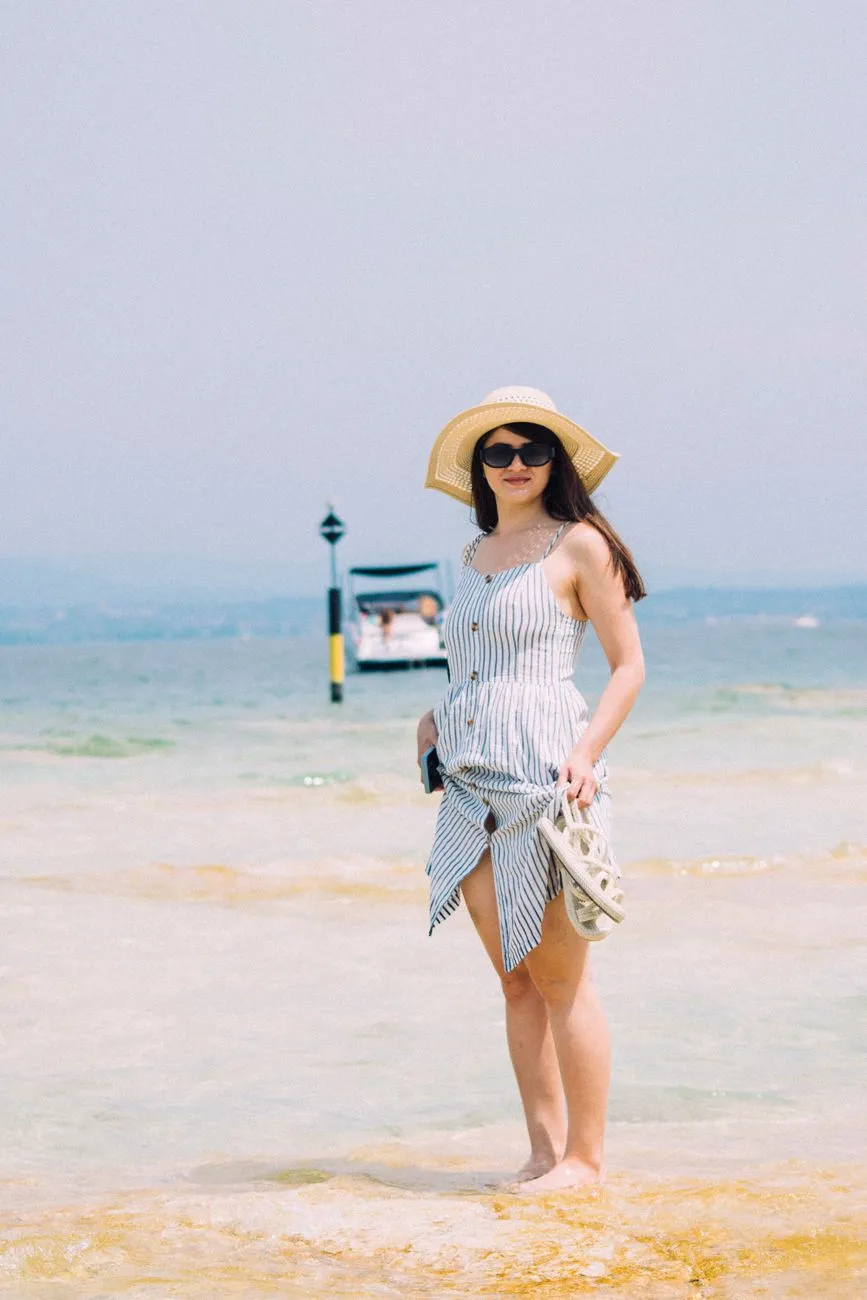 Photo: Ion Ceban @ionelceban / Pexels
Day-to-night outfit formulas
Here are two simple transitions, one for women and one for men, using the pieces above.
Women: from towel to dinner
Day: one-piece swimsuit or high-waisted set + open white or pale blue linen shirt + linen or cotton shorts + rubber slides + hat and sunglasses.
Evening: keep the swimsuit as a base if it works under clothing, but swap the shorts for wide-leg linen trousers or a midi slip skirt. Button the shirt and do a loose half-tuck, add a leather belt if you want to define the waist, switch to leather sandals or espadrilles, and add earrings or a necklace. If you prefer a dress, wear a shirt dress buttoned with a belt and flat leather sandals.
Why it works: the shirt changes from cover-up to proper shirt, and the shoes and accessories signal dinner without requiring a full outfit change.
Men: from beach to dinner
Day: board shorts or swim trunks + open camp-collar linen shirt + chino shorts + leather slides or rubber sandals.
Evening: swap board shorts for tailored linen trousers or dark chino shorts. Button the shirt, roll the sleeves once, add a woven belt, and change into leather slides, boat-style shoes or clean canvas sneakers. A plain white or pale blue tee under the shirt adds a layer if the evening cools down.
Why it works: the same shirt does both jobs, but the trousers and shoes move it from beach to dinner.
These formulas assume you have somewhere to change or at least adjust. If you do not want to carry a second set of clothes, choose a cover-up that can pass as a top and choose shoes that work for both sand and pavement, like a leather slide or a low-profile sport sandal in a neutral colour.
Try your beach outfits before you pack
Beach outfits can be tricky because the pieces are often oversized or fluid, and you may not know how they will look over a swimsuit until you try them. You can use Macgi to test the silhouette without packing everything first. In your phone browser, upload one full-body photo and try a top, a top with trousers, or a dress. The AI keeps your face, body shape, skin tone, pose and background and changes only the clothes, so you can see whether a linen shirt looks better open or knotted, or whether a midi dress works with flat sandals. The result appears in about 15–40 seconds. Try-on images are private previews; they are not posted, shared or used for ads or training, and the temporary copy sent to the AI is deleted within 24 hours. Sizing still needs the store’s size chart, because AI try-on images are previews, not a fit guarantee.
If you are still deciding which cuts flatter your body, this guide on how to dress for your body type can help. A clear full-body photo is the start; here is how to take a full-body photo for AI try-on. And if you want to reduce returns before buying, read try on clothes online before buying.
FAQ
What is the best cover-up for a beach day that turns into dinner?
A linen or cotton shirt dress is the most versatile, because it can be worn open as a cover-up and buttoned or belted for dinner. An oversized linen shirt is a close second, especially with wide-leg trousers.
Can I wear linen to the beach if it wrinkles?
Yes. Linen wrinkles are part of the fabric’s relaxed look and generally read as intentional. If you want fewer creases, choose a heavier linen blend or roll the item instead of folding it, and hang it when you arrive.
What shoes should I avoid on the beach?
Avoid skinny heels, heavy boots, and new leather shoes that can blister. On soft sand, stick to rubber slides, sport sandals or flip-flops; switch to leather sandals or espadrilles for pavement and dinner.
How do I choose colours that look good in beach photos?
Choose saturated colours that contrast with sand and sea, such as white, coral, red, turquoise or yellow. Avoid head-to-toe beige if you want to stand out, and remember that bright light can wash out very pale pastels.
What should men wear to the beach if they want to look put-together?
A camp-collar linen shirt, chino or linen shorts, and clean leather or canvas shoes create a relaxed but neat look. For dinner, swap the shorts for tailored linen trousers and button the shirt.
Do I need to bring two pairs of shoes?
Not always. If you plan to walk mostly on pavement and only briefly on sand, one pair of leather slides or neutral sport sandals may be enough. If you will be on the beach all day and then go to a nicer dinner, a second pair is worth packing.
Does AI try-on work for beach cover-ups?
Macgi can show you how a top, a top with trousers, or a dress will look on your own body, but it is a preview, not a size guide. Use it to compare silhouettes, then check the store’s size chart and the fabric details before you buy.