Macgi
What you wear hiking decides whether you spend the day comfortable, warm and dry, or distracted by damp layers, sunburn and blisters. The best hiking outfit is not one miracle jacket. It is a simple system: a base layer that moves sweat away from your skin, a mid layer that holds warmth, and a shell that blocks wind and rain. Below, we break that system down, then cover shoes, socks, weather protection, and how to adapt for an easy day hike versus a multi-day trek.
The three-layer system at a glance
The three-layer system works because it lets you adjust without carrying a different outfit for every temperature. You add or remove layers as the trail climbs, the wind picks up or the rain starts. Each layer has one clear job.
Base layer: the layer next to your skin
The base layer is not about warmth. Its main job is to move sweat away from your body so you do not stay wet and get cold later.
Look for:
- Synthetic fabrics such as polyester or nylon
- Merino wool, which also resists odour
- A close but not restrictive fit
Avoid cotton. A cotton t-shirt soaks up sweat, stays wet against your skin, feels heavy and can cause chafing. Cotton underwear causes the same problem, so choose synthetic or merino underwear for longer hikes.
For most day hikes in mild weather, a lightweight short-sleeve or long-sleeve base layer is enough. Long sleeves are useful for sun protection on exposed trails and for cooler mornings. The same principle works for men and women; the only difference is the cut. Choose whatever shape fits your shoulders and torso without riding up under a pack.
Mid layer: insulation you can adjust
The mid layer traps warm air close to your body. This is the layer you put on when you stop for a break, remove on a steep climb, and throw back on at a windy viewpoint.
Good mid layers include:
- A lightweight fleece
- A thin insulated jacket
- A merino wool or synthetic long-sleeve top
A zip at the neck helps you vent heat without removing the whole layer. In cool, dry weather, a fleece may be enough. In colder conditions, a packable insulated jacket works well. Avoid a heavy cotton hoodie; it is bulky, dries slowly and does not insulate well when damp.
Shell layer: wind and rain protection
The shell layer keeps wind and rain out while letting some sweat escape. It should fit over your base and mid layers without pulling across the shoulders.
For real rain, choose a waterproof-breathable shell rather than a very cheap plastic poncho, which traps sweat and feels clammy. Look for:
- A hood that adjusts around the face
- Pit zips or side vents
- A hem you can cinch closed
- Sealed seams if you expect sustained rain
A simple windbreaker is lighter and more breathable, so it works on dry, breezy days. If you are unsure whether you need a windbreaker, puffer or fleece for cold conditions, see Best Winter Jacket Type: Windbreaker, Puffer, Fleece or Wool?.
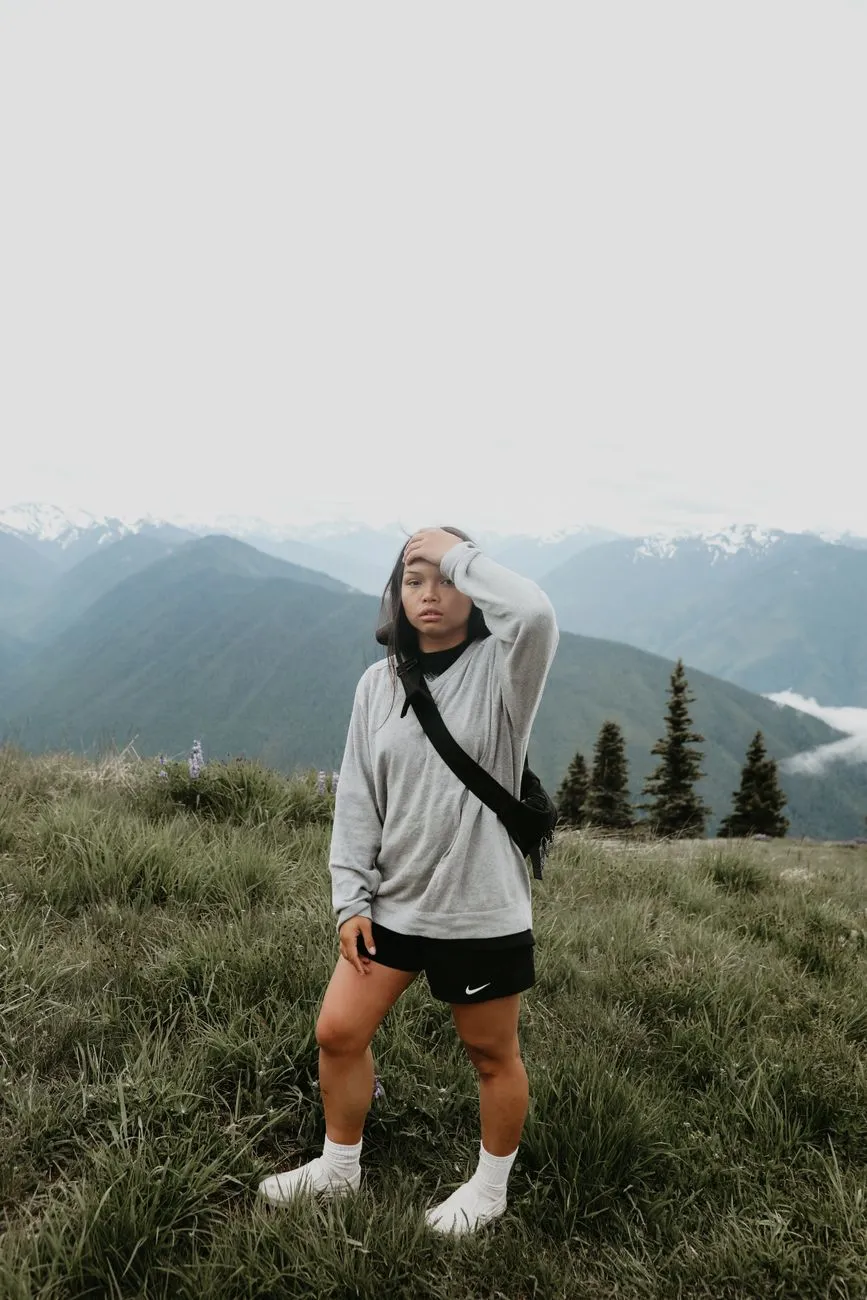
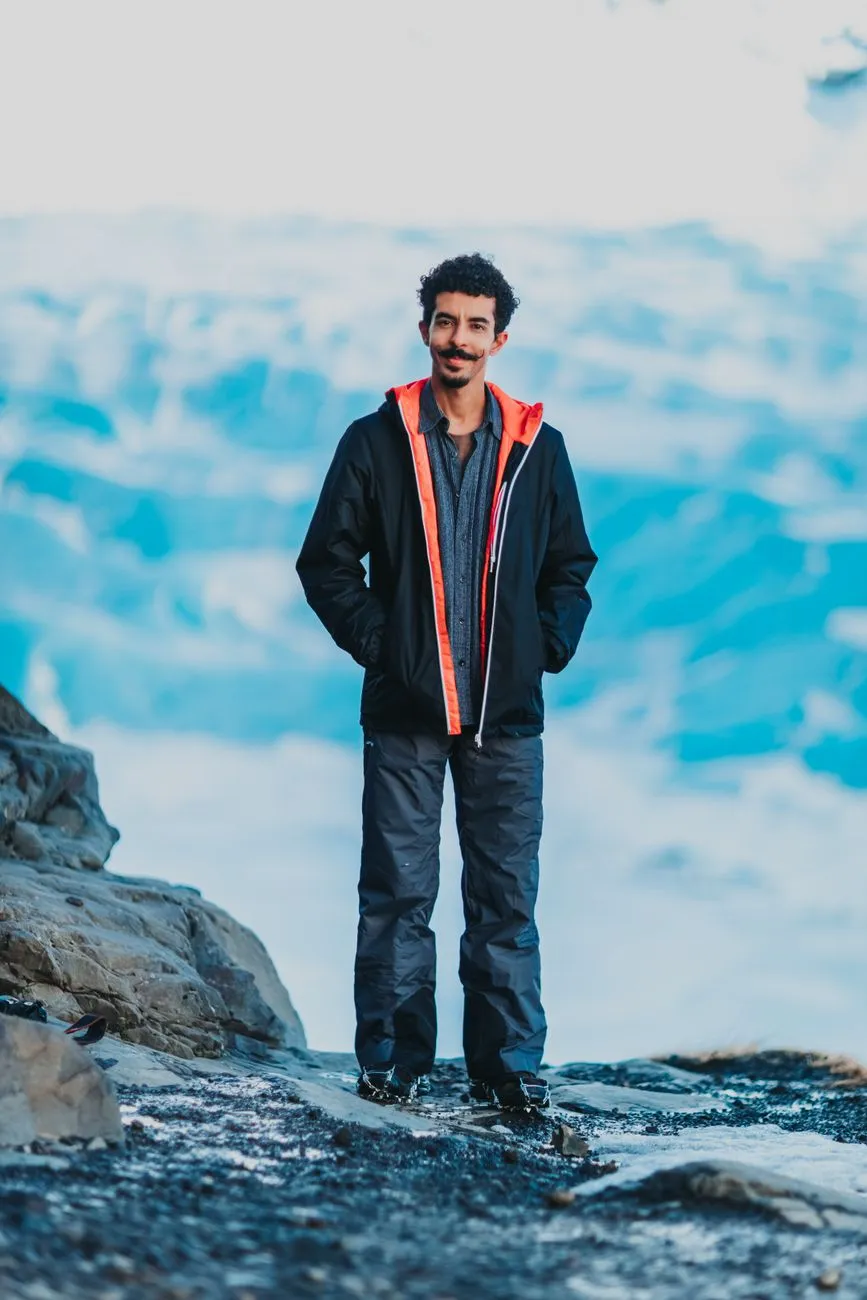 Photo: Matheus Bertelli / Pexels
Hiking shoes and socks: the most important decision
Shoes and socks influence how your feet feel more than any other part of the outfit.
Hiking shoes or boots?
For a well-maintained day trail with a light pack, trail running shoes or low-cut hiking shoes are usually enough. They are lighter, dry faster and need less breaking in.
Boots become more useful when:
- The trail is rocky, muddy or uneven
- You are carrying a heavy multi-day pack
- You want more ankle support and protection
The right shoe is the one that fits your foot, not the one with the most aggressive tread. Leave about a thumb-width of space in front of your longest toe, and check that your heel does not lift when you walk uphill. Try shoes on with the same socks you plan to hike in, ideally later in the day when feet are slightly swollen.
Never start a real hike in brand-new boots. Wear them around the house and on short walks first to soften the material and find hot spots.
Socks
Hiking socks should be merino wool, synthetic, or a blend. They cushion the foot, move moisture and dry faster than cotton. Cotton socks hold moisture, soften the skin and increase the chance of blisters.
Choose sock height based on your shoes. A crew or quarter-height sock should rise above the shoe collar so the shoe does not rub bare skin.
If you are prone to blisters, you can wear a thin liner sock under a cushioned hiking sock. The liner takes the friction instead of your skin. For long hikes, carry a second pair of socks and change into dry ones at the halfway point or whenever your feet feel damp.
Sun and rain protection beyond the shell
The shell layer is not the only weather protection you need.
Sun protection
Sun exposure is often stronger on open ridges and at altitude than it feels. Protect yourself with:
- A wide-brim hat or a cap with a neck cover
- Sunglasses with UV protection
- Sunscreen on exposed skin, reapplied after sweating
- A long-sleeve base layer in light fabric for high-exposure trails
Light colours help reflect heat, but they show dirt more easily. That is fine; hiking clothes are meant to get dirty.
Rain protection
If rain is forecast, a waterproof shell is your first line of defence. For sustained rain, waterproof overtrousers keep your legs dry and stop water running into your shoes. Pack electronics and spare layers in a dry bag or lined stuff sack inside your backpack.
Quick-dry hiking trousers or leggings are far better than jeans in rain. Jeans hold water, become heavy and dry very slowly. If you do get wet, keep moving if it is safe and warm enough, and change into dry layers as soon as you stop.
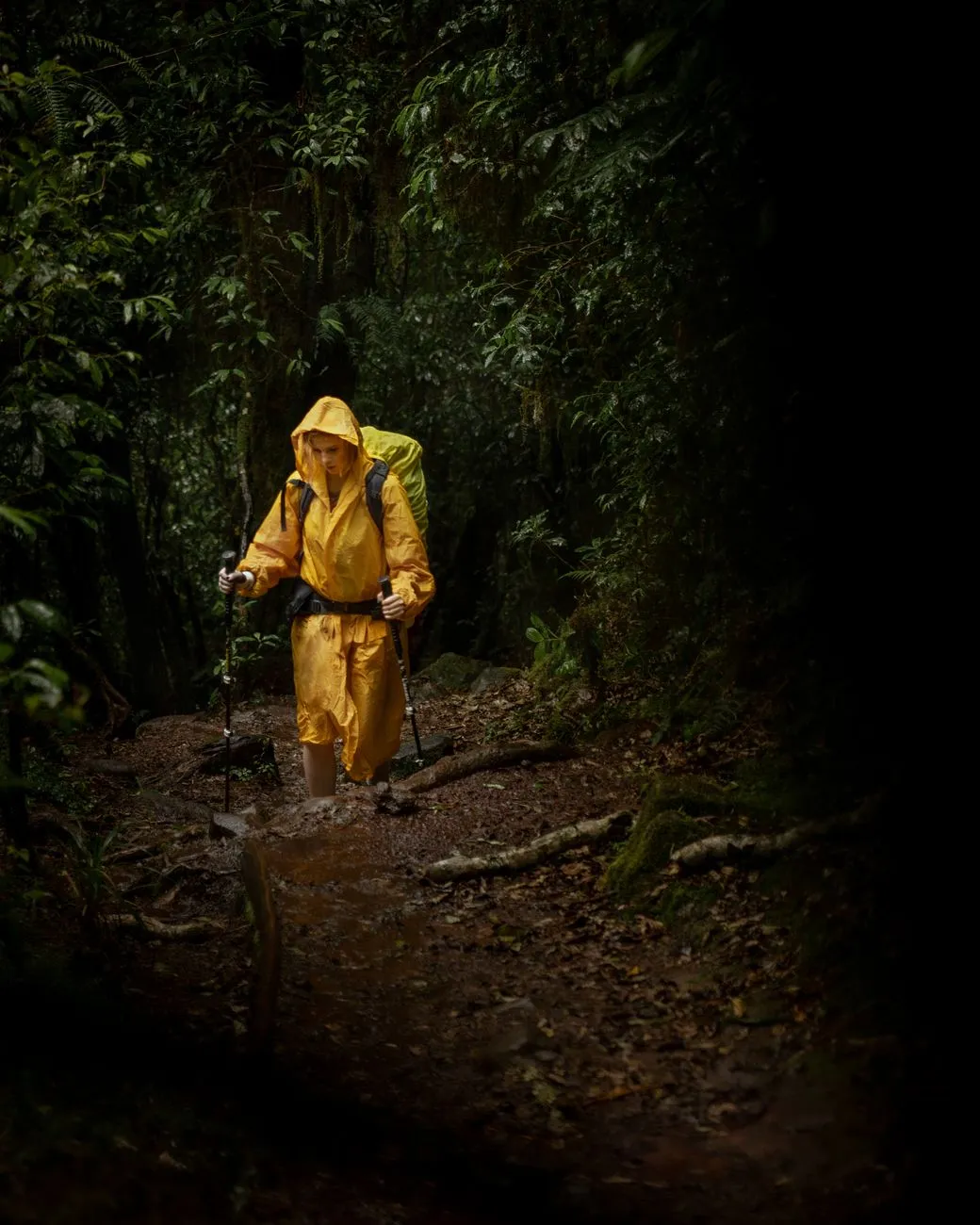 Photo: Dmitry Limonov / Pexels
Easy day hikes: a simple outfit formula
For a few hours on a trail in mild weather, keep the system lean.
A reliable day-hike outfit looks like this:
- Top: a synthetic or merino t-shirt or long-sleeve base layer
- Bottom: quick-dry hiking trousers, convertible trousers, or leggings/shorts with a liner
- Mid layer: a light fleece or packable insulated jacket
- Shell: a packable windbreaker or rain shell
- Shoes and socks: broken-in hiking shoes or trail runners with merino or synthetic socks
- Extras: hat, sunglasses, sunscreen, a small first-aid kit and one spare pair of socks
Pack the mid layer and shell even if the morning feels warm. Mountain weather changes quickly, and a summit can be much windier than the trailhead. The goal is to be able to adjust without carrying unnecessary weight.
For women, hiking leggings with a longer top or a light skort can be comfortable, but choose quick-dry fabric. For men, simple quick-dry trousers or lined shorts work well. The formula is the same for both; only the cut changes.
Multi-day trekking: what changes
On a multi-day trek, you cannot just head back to the car when the weather turns. That makes fabric choice, spare clothing and camp comfort more important.
Extra layers and spares
Carry at least:
- Two base layer tops
- Two pairs of hiking socks
- One dedicated pair of clean sleeping socks
- Quick-dry underwear for each day or enough to rinse and dry overnight
You do not need a fresh hiking outfit for every day. The base layer can be rinsed and dried, or simply aired. The key is never sleeping in the damp clothes you hiked in.
Camp clothing
When you stop moving, your body produces less heat, so you need warmer insulation at camp than on the trail. A fleece or insulated jacket with a dry base layer works well. Bring lightweight camp shoes or sandals so your feet can air and your hiking shoes can dry. A warm hat adds a lot of comfort for very little weight at night and on cold mornings.
Rain gear matters more
On a day hike, you can cut the walk short if heavy rain arrives. On a multi-day trek, you may have to keep going. A reliable waterproof shell, waterproof overtrousers and dry bags for your sleeping bag and clothes become essential, not optional.
Try the whole outfit before you pack
Before buying a new hiking layer, it helps to see it with the rest of your outfit, not just on a product page. Macgi lets you take one full-body photo in your phone browser and try a top, a top with trousers, or a dress. The result comes in about 15–40 seconds. The AI keeps your face, body shape, skin tone, pose and background and changes only the clothes, so it does not edit your body. Your photo is used only for your own try-on image, and the temporary copy sent to the AI is deleted within 24 hours.
For the most realistic preview, use a clear full-body photo like the one described in How to Take a Full-Body Photo for AI Try-On. You can also follow the steps in Try On Clothes Online Before Buying: 5 Steps to Fewer Returns to check the fit and styling before you commit. Remember that try-on images are AI previews, not a guarantee of size, so always check the store’s size chart before ordering.
Common mistakes to avoid
If you only remember a few things, avoid these.
- Cotton t-shirts, cotton socks and cotton underwear next to the skin
- Jeans, which become heavy and cold when wet
- Brand-new boots on a real hike
- Too many thick layers at the start, which leads to overheating and sweat
- Forgetting a hat or sunglasses on exposed trails
- Packing only one pair of socks for a long day
- Leaving rain gear behind because the morning sky is clear
The fix for most of these is the same: choose quick-dry fabrics, layer in removable pieces, and protect your feet and head.
FAQ
What should a beginner wear hiking?
Start with a synthetic or merino base layer, quick-dry trousers or shorts, a light fleece, a packable rain shell, and broken-in shoes with merino or synthetic socks. Add a hat and sunscreen. That covers the vast majority of day hikes.
Are leggings okay for hiking?
Yes, if they are made from quick-dry synthetic fabric and are thick enough not to become transparent. Leggings work well on trails without heavy brush. For rocky or very cold conditions, hiking trousers may be more durable and allow more layering.
Do I need waterproof trousers for a day hike?
Not always. If the forecast shows only a short shower and you have a waterproof shell, you can often manage without them. If rain is sustained or the trail is cold and windy, waterproof overtrousers are worth the weight.
Can I wear running shoes instead of hiking shoes?
On easy, well-maintained trails, trail running shoes are often a great choice. Road running shoes may lack grip on mud or loose rock. Choose whatever fits well and gives you enough traction for the trail you are on.
What is the best material for hiking socks?
Merino wool, synthetic fibres, or a blend are best. They cushion the foot, move moisture and reduce friction. Avoid cotton socks because they hold moisture and increase the chance of blisters.
How many layers should I wear in 10°C/50°F weather?
A good starting point is a lightweight long-sleeve base layer, a fleece mid layer, and a packable shell in your bag. Adjust as you move: remove the fleece on climbs, add the shell when the wind picks up. Everyone runs warmer or cooler, so use that as a baseline, not a strict rule.