Macgi

Learning how to wash sneakers properly is less about finding a miracle cleaner and more about doing things in the right order. Take the shoe apart, treat the pieces gently, use the machine with care, clean the rubber separately, and dry everything without heat. Do that, and a canvas or knit pair can come out bright without turning wavy at the toe or misshapen around the heel.
This guide covers the full sequence: laces, insoles, machine settings, white sole cleaning and air drying, plus a quick material guide and FAQ.
Before you wash: remove laces and insoles
The most common mistake is putting a whole sneaker into the machine without taking it apart. Removing the laces and insoles takes one minute and makes a visible difference.
- Laces: pull them out completely. If they are very dirty, unknot them before washing so the water and detergent reach the dirty folds near the aglets.
- Insoles: slide them out if they are removable. Many sneakers have a foam insole that lifts out easily. If an insole feels glued down, do not force it. Instead, hand-wash that area later rather than ripping the shoe.
- Loose dirt: after removing both, hold each shoe over a bin and tap the soles together. Use a soft dry brush or old toothbrush to remove dried mud from the sole and upper before water touches the shoe. Wet dirt is heavier and harder to lift.
Once the shoes are apart, check the inside for small stones or sand. Gravel inside a sneaker acts like sandpaper in the machine and can scuff the inner fabric.
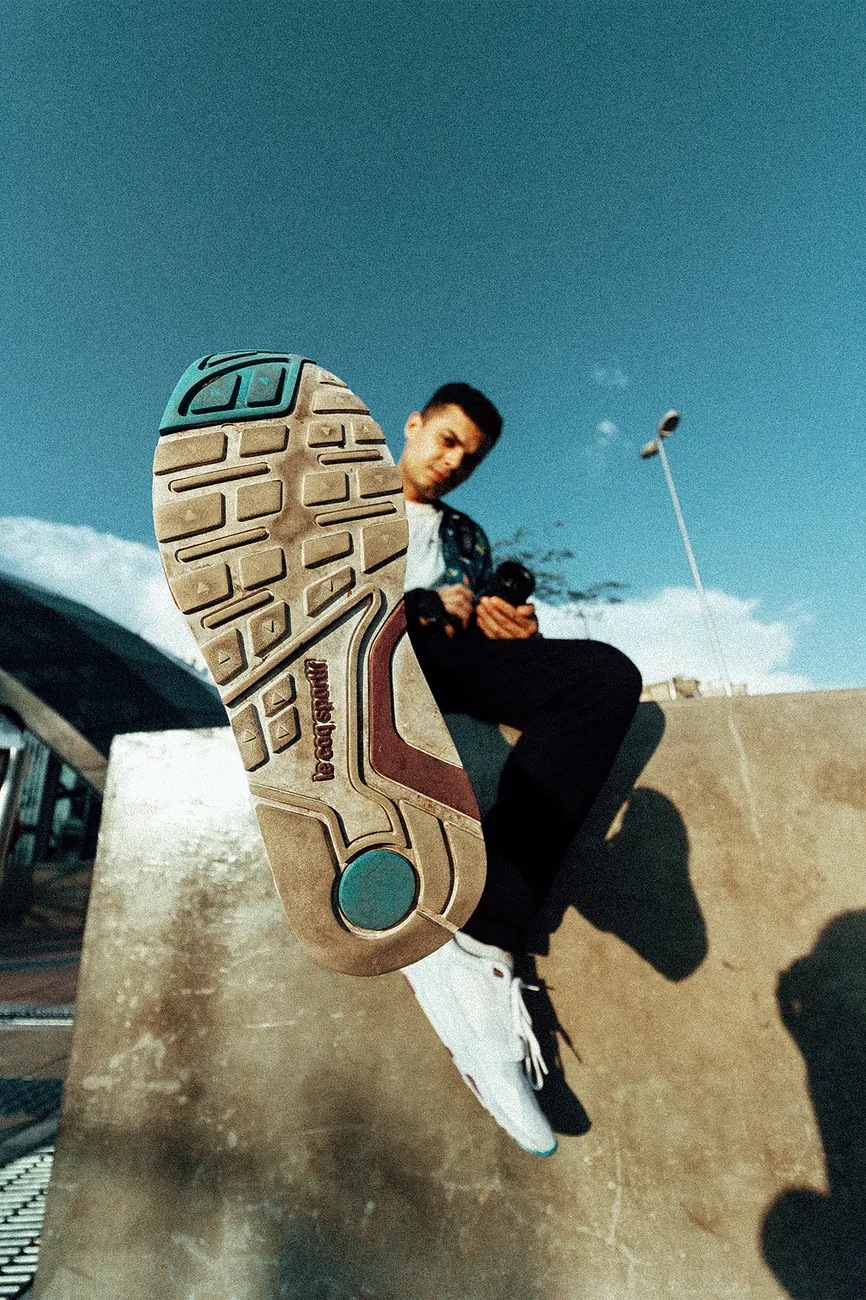 Photo: Gabriel Silva / Pexels
How to wash laces and insoles
Laces and insoles are small enough to get twisted around the drum or trapped in the door seal, so wash them in a closed mesh laundry bag or a tied cotton pillowcase.
For laces, use warm or cool water with a small amount of regular laundry detergent. If they are heavily soiled, rub a little detergent paste into the worst spots before washing. Tie the aglets together inside the bag so they do not whip against the drum. Wash them on a gentle cycle with the shoes, or by hand in a basin. Rinse well and air dry them flat or draped over a towel. Do not put them in a tumble dryer; the plastic aglets can melt or deform.
For insoles, hand washing is usually the better option because insoles can curl or lose their top fabric in a machine. Fill a basin with cool or lukewarm water and a mild detergent. Scrub the top surface with a soft brush, then rinse until the water runs clear. If they smell, sprinkle baking soda over the damp insole after rinsing, leave it for 20–30 minutes, then rinse again. Press them between two towels to remove excess water and let them air dry flat. Do not soak insoles for hours, because waterlogged foam can break down.
Machine settings that are actually safe
Not every sneaker belongs in a washing machine. Canvas, knit and most mesh sneakers can usually survive a gentle wash, but leather, suede, nubuck, old glued pairs and shoes with heavy embellishments should be cleaned by hand. If you are unsure, hand washing is always the lower-risk route.
When machine washing is suitable, use these settings:
- Temperature: cold or cool. Hot water can weaken adhesives and fade fabric.
- Cycle: gentle, delicate or hand-wash if your machine has it.
- Spin: lowest spin setting. A hard spin twists the upper and can pull the shoe out of shape.
- Detergent: use a small amount of liquid detergent. Powder may not dissolve fully at cold temperatures, and excess detergent can leave a white residue on mesh.
- No bleach, no fabric softener. Fabric softener can coat breathable mesh and reduce ventilation.
Put each sneaker in its own mesh laundry bag or a pillowcase tied closed. Add two to four old towels to the drum. The towels cushion the shoes, balance the load and stop the shoes from banging against the door. If your machine has a central agitator, this cushioning is even more important because the agitator can catch and twist a loose shoe. Fasten any hook-and-loop straps before washing so they do not snag fabric.
How to clean white soles and rubber
White soles are usually the most satisfying part to clean, but they are also where people make mistakes with harsh chemicals.
The safest basic cleaner is a paste made from baking soda and water. Aim for a thick toothpaste-like consistency. Add a drop of mild dish soap if the rubber is greasy. Use an old toothbrush and work the paste into the sidewalls, toe cap and any rubber trim in small circles. Let it sit for 5–10 minutes, then rinse with cool water.
For yellowing or stubborn grey marks, you can use a paste of baking soda with a few drops of hydrogen peroxide. This is gentler than bleach, but it can still affect coloured stitching or printed details, so test it on a small hidden area first. Rinse thoroughly. A melamine cleaning sponge can help with scuffs, but it is mildly abrasive, so use it only on plain rubber, not on painted logos or dyed fabric.
Avoid strong bleach, acetone and nail polish remover. Bleach can actually make white rubber turn yellow over time, and acetone can dissolve some paints and adhesives.
After cleaning the soles, wipe them with a damp cloth to make sure no detergent film remains. Leftover product can attract dirt once the shoe dries.
How to air dry sneakers without warping
 Photo: Muhammad Dzaki Zaidan / Pexels
Drying is where sneakers lose their shape. Heat is the main enemy: it softens the glue, shrinks some foams and can curl a rubber sole away from the upper.
Start by pressing out excess water without wringing. Roll each sneaker gently inside a dry towel and press. Then stuff each shoe loosely with plain white paper towels, unprinted packing paper or a clean dry cloth. Paper works well because it absorbs moisture from the inside and helps the shoe keep its silhouette. Do not use newspaper, because the ink can transfer onto light fabric. If the shoes are very wet, replace the paper after a few hours.
Leave the sneakers at room temperature in a well-ventilated spot. A fan pointed at them speeds things up without adding heat. Keep them out of direct sunlight, away from radiators, and never use a hair dryer or tumble dryer. Drying on a shoe tree is fine if it is not stretched too tight; otherwise, laying the shoes on their side or sole-down on a rack works just as well.
Do not hang sneakers by their laces while wet, and do not wear them until the inside is completely dry. Wearing damp shoes can stretch the upper and undo all the shape-preserving work.
Common mistakes and what to do by material
A few simple rules cover most sneaker damage:
- Too much detergent: leftover detergent attracts dirt and can leave a chalky finish. Use less than you think, and rinse well.
- Hot water or hot air: both weaken glue and can warp soles. Stay cold in the machine and room-temperature in the drying phase.
- Skipping the laces and insoles: a “quick wash” with everything still in place usually means dirty laces stay dirty and the tongue area does not get clean.
- Using bleach on rubber: this often leads to a yellow tint rather than a white finish.
- Overwashing: every machine wash shortens the life of a sneaker. Spot clean between washes and save full washes for when they are actually dirty or smelly.
If you are dealing with a specific material:
- Canvas: easiest to wash by hand or on a gentle machine cycle. Spot scrub stains before washing.
- Knit and mesh: usually machine-safe inside a bag on cold. Skip fabric softener so the mesh keeps its breathability.
- Leather: do not soak or machine wash. Wipe with a damp cloth and a small amount of mild soap, then dry immediately with a clean towel.
- Suede and nubuck: keep water to a minimum. Use a soft suede brush or eraser, and brush in one direction.
- Old or lightly glued sneakers: hand wash only. The machine can finish off ageing glue.
Once your sneakers are dry, the fun part is wearing them. If you want outfit ideas for high tops, chunky styles or slim sneakers, see How to Style Sneakers: High Tops, Chunky, Slim & More. If you are washing active shoes before a trip, also check What to Wear Hiking: Layer System, Shoes, and Weather Protection.
For a quick outfit check around your newly cleaned pair, Macgi lets you try a top, a top with trousers, or a dress on one full-body photo. It keeps your face, body shape, skin tone, pose and background and changes only the clothes, so you can see whether a whole look works before you buy. If you plan to preview outfits that way, start with a clear photo; How to Take a Full-Body Photo for AI Try-On shows how to get one.
FAQ: washing sneakers
Can I put sneakers in the washing machine?
Canvas, knit and most mesh sneakers can often be washed on a cold, gentle cycle inside a mesh bag or pillowcase, with towels for cushioning. Avoid machine washing leather, suede, nubuck, old glued pairs and shoes with heavy embellishments. When in doubt, hand wash.
How do I get the smell out of sneakers?
Remove the insoles and sprinkle baking soda inside the shoes, leave it overnight, then brush or vacuum it out. Wash the insoles separately and let them dry completely. For persistent odor, wipe the inside with a cloth dampened with equal parts water and white vinegar, then air dry.
Can I use bleach on white sneakers?
Avoid standard chlorine bleach. It can yellow rubber, damage stitching and weaken fabric. Use a baking soda paste, or a baking soda and hydrogen peroxide paste on hidden areas first, and rinse thoroughly.
Why did my sneakers turn yellow after washing?
The most common causes are detergent residue, hard water deposits, drying in direct sun or heat, and bleach. Rinse well after cleaning, dry at room temperature away from direct sunlight, and skip bleach.
How do I dry sneakers quickly without ruining them?
Press out excess water with a towel, stuff the shoes with white paper towels or unprinted paper, and point a fan at them at room temperature. Replace the paper after a few hours. Do not use a dryer, radiator, hair dryer or direct sun.
How often should I wash sneakers?
Wash them when they are visibly dirty or have an odor, not on a fixed schedule. Frequent machine washing weakens glue and fabric. Between washes, wipe the soles, brush off dry dirt and let them air out.