Macgi
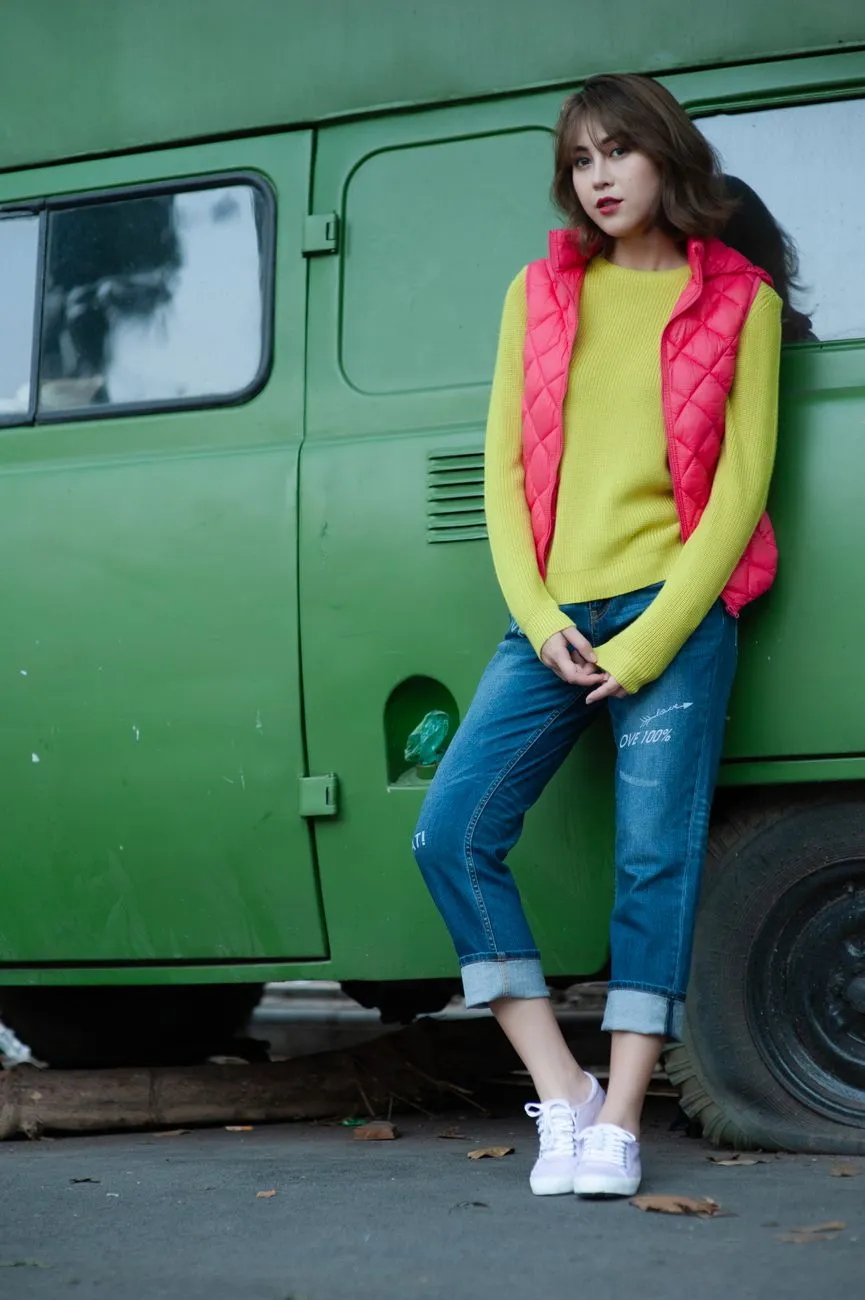
Few pieces move between polished and relaxed as quickly as a vest. In this guide, a vest means a sleeveless layer—either knitted (sweater vest) or tailored (waistcoat)—not a tank top. It adds structure without forcing a jacket, works in cool offices and warm evenings, and suits a wide range of outfits. Below are concrete formulas for sweater vests, tailored vests worn alone, layering over shirts, and men’s smart-casual styling.
Why fit and proportion decide whether a vest works
A vest may look like a simple piece, but small fit differences change the whole silhouette.
Shoulder fit first
On a tailored vest, the shoulder seam should sit close to the point where your shoulder turns down into your arm, not halfway down the upper arm. If the shoulder hangs too wide, it can make the upper body look dropped and make the waist look less defined. If it is too narrow, the vest will pull across the front. On a sweater vest with drop shoulders, the dropped line should be deliberate. A small drop can look relaxed; a very deep drop on a smaller frame can hide your shape unless you deliberately want an oversized look.
Length and torso balance
A cropped vest that ends around the high hip tends to make the legs look longer, especially with high-rise bottoms. A standard vest ending at the hip bone is the most versatile because it works with mid-rise and high-rise trousers. A long vest that passes the low hip can shorten the leg line, so if you choose one, pair it with a slimmer bottom and a low-contrast shoe to keep the line continuous. For men, a tailored vest should cover the trouser waistband but not the seat; if it is too long it will bunch when you sit.
Armhole and chest
A too-low armhole creates extra fabric under the arm, especially when you layer a shirt underneath. A too-tight armhole pulls and wrinkles and makes movement uncomfortable. Look for an armhole high enough that you can lift your arm without the whole vest riding up. Across the chest, the vest should close without gaping. If it pulls, size up through the chest and adjust at the back, or leave the lowest buttons undone as a styling choice.
Fabric and drape
Fine-gauge knits and lightweight wool, cotton, linen or viscose blends follow the body and layer cleanly. Chunky knits add visual volume up top, which can be useful if you want more presence at the shoulders. For tailored vests, choose fabrics with some drape rather than stiff, shiny linings; they sit flatter and look less like a costume.
 Photo: cottonbro studio / Pexels
Sweater vests: the easiest starting point
A sweater vest is the lowest-effort entry into vests. It reads as relaxed, works for women and men, and layers over more than just shirts.
Over a button-down shirt
The most reliable formula: a V-neck sweater vest in cream, navy, grey, camel or dark green over a light-blue, white or striped cotton shirt. For a clean look, tuck the shirt collar inside the V-neck and let the cuffs show at the wrist. Keep the shirt fitted or slim enough that it does not billow under the arm. Pair with straight-leg jeans, chinos or tailored trousers, and loafers or minimal sneakers.
As a top on its own
A fine-gauge knit vest can be worn next to the skin if the armhole sits close enough and the fabric is not scratchy. On a women’s outfit, a fitted ribbed vest in black, ivory or chocolate works with high-waisted wide-leg trousers and heeled mules or ballet flats. If you want a cleaner waistline, choose a vest that follows the torso rather than a boxy cut.
Over dresses and skirts
A cropped sweater vest over a slip dress, a button-front dress or a long-sleeve knit dress immediately creates a waistline. Choose a vest that ends above the hipbone so the dress length still does the work. For skirts, a fine-knit vest in a neutral tone works with a tonal or matching skirt, especially in autumn and winter.
What to avoid
- Avoid pairing a very long, boxy sweater vest with a long, untucked shirt; it creates one wide block from shoulders to hips.
- Avoid armholes so low that the shirt collar and sleeves look stuffed underneath.
- Avoid a very chunky knit under a structured blazer; the bulk will make the blazer pull.
If you are wearing the vest with wide-leg trousers, keep the top close enough to show the waist. For hem and shoe rules, see What to Wear with Wide Leg Pants.
Tailored vests worn alone
A tailored vest can be a top layer on its own, not just a three-piece suit component. The key is wearing it as an intentional piece rather than a leftover from a suit.
As a structured top
For women, a single-breasted waistcoat in black, oat, taupe or pinstripe can replace a blouse. Button it fully over nothing, or layer a slim camisole underneath if the armhole is low or you want more coverage. Tuck it into high-waisted trousers or a pencil skirt so there is no gap of skin at the waist. Add a belt only if the vest is long enough or the trousers have belt loops; otherwise the line gets busy.
For men, a tailored vest worn alone works better with a clean undershirt or a fine knit tee, especially in smart-casual settings. A bare chest under a tailored vest tends to look like an editorial shot rather than an everyday outfit.
With trousers and skirts
A fitted vest in a neutral colour with matching or slightly darker trousers creates a column effect. For a softer look, pair a black vest with a bias-cut skirt and flat slingbacks. If the vest has a deep V, you have room for a delicate necklace; if it sits close to the neck, skip a necklace and use earrings.
Buttoning and length
For a tailored vest worn alone, leave the bottom button undone if the vest has a traditional waistcoat cut. If the vest is designed as a modern top, button it the way it falls naturally. A too-short tailored vest can show skin between the hem and the trouser waistband; if you want a smooth line, choose high-rise bottoms or a longer vest. If you want more waist definition, look for a vest with darts or a back adjuster rather than a straight box cut.
What to avoid
- Avoid a shiny, tight waistcoat that looks like a costume rental.
- Avoid a vest that is too short with low-rise bottoms if you prefer not to show the midriff.
- Avoid over-accessorising; one necklace or a watch is enough.
Layering over shirts: collar, sleeve and colour rules
Layering a vest over a shirt is simple in theory, but the details make the difference between sharp and bulky.
Collar and neckline
A point collar or button-down collar usually sits neatly under a V-neck vest. A very wide spread collar can fight for space with a shallow V. If the vest has a crew neck, a pointed collar can still work, but keep the collar points inside the neckline rather than flapping over. For women’s blouses with soft pussy-bow or Peter Pan collars, choose a V-neck vest deep enough to show the detail.
Sleeve and armhole
A long-sleeve shirt is the easiest base because it shows at the wrist. A short-sleeve shirt under a vest can look dated unless you deliberately want a preppy, warm-weather look. Roll up the cuffs once if the shirt is too long under the vest. The shirt should not bunch at the armhole; if it does, the vest armhole is too low or the shirt is too full.
Colour combinations
Use one neutral and one accent, or two neutrals. Try:
- Cream vest over a pale-blue shirt with grey trousers.
- Navy vest over a white shirt with khaki chinos.
- Grey vest over a black turtleneck with black trousers.
- Chocolate vest over an ecru or cream blouse with dark denim.
Avoid two bold colours fighting: a bright red vest over a bright green shirt rarely looks intentional. If you want a bolder underlayer, keep the vest neutral. For men’s colour pairing ideas, see Color Combinations for Men Clothes.
Turtlenecks and tees
A thin turtleneck under a V-neck sweater vest is a clean cold-weather formula. A heavy crew-neck tee under a vest can add unnecessary bulk around the neck, so choose a fine jersey or a fitted long-sleeve tee. T-shirts work best under a casual knit vest, not under a formal tailored waistcoat.
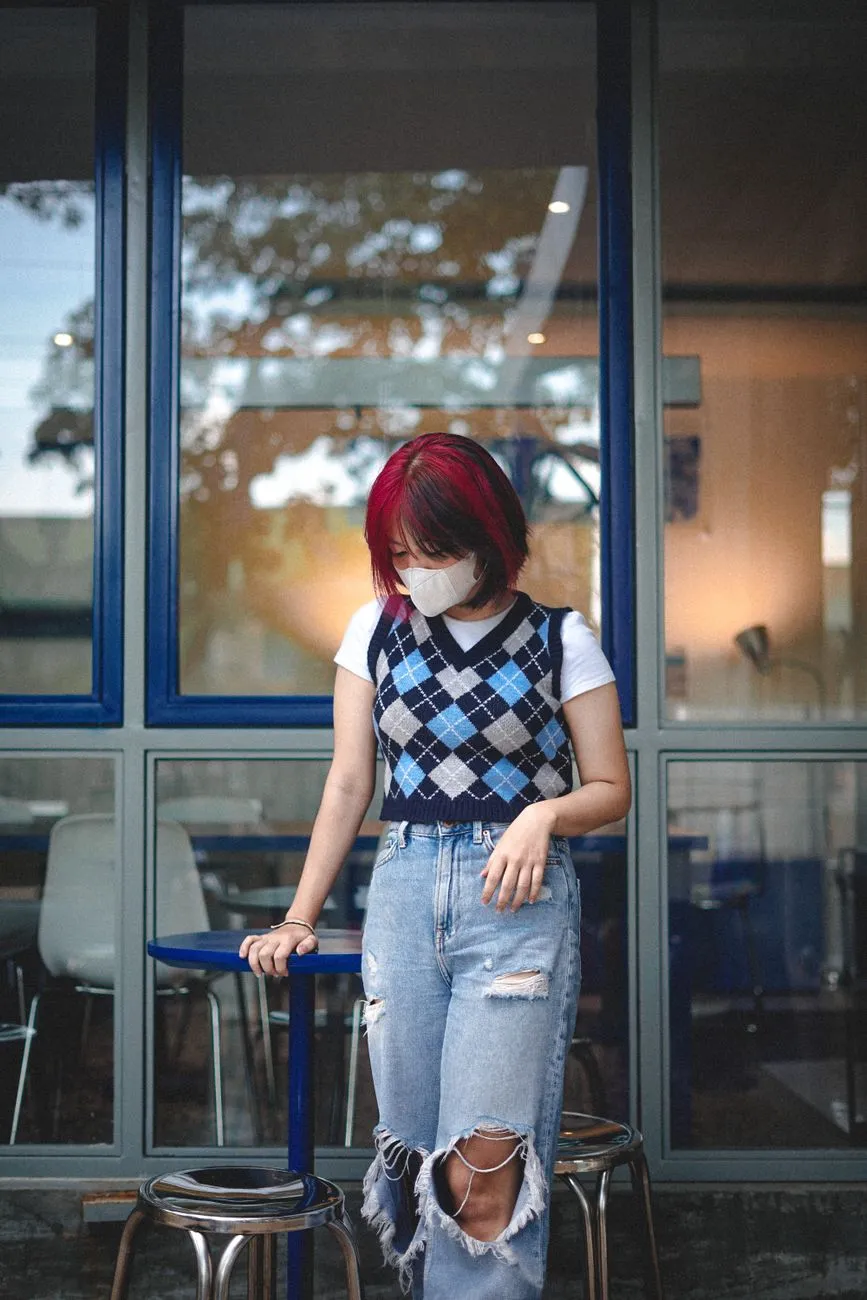 Photo: Labskiii / Pexels
Men’s smart-casual vest outfits
Men can use vests without looking overly formal by treating them as a mid-layer rather than a suit piece.
Knit vest with chinos and loafers
A fine-gauge V-neck sweater vest in oatmeal, charcoal or forest green over an oxford shirt, with slim-straight chinos and leather loafers. Roll the shirt cuffs once, keep the chinos hem hitting the top of the shoe, and skip the tie. This works for a smart-casual office, a dinner, or a day when a jacket feels too much.
Tailored vest with jeans and a tee
A soft tailored vest in grey, sand or olive over a plain heavyweight white or black tee, with dark straight-leg jeans and leather derbies or minimal sneakers. The tee should not be see-through or too loose. This is the easiest way to make a waistcoat look casual without looking like you forgot your suit jacket.
Suit vest without the jacket
If you want to break up a suit, do it deliberately. Choose a contrasting bottom: grey vest with navy trousers, or a navy vest with grey flannel. If the trousers match the vest exactly, it can look like you lost the jacket. Add leather shoes and a belt that match. Keep the shirt collar tucked inside the vest and the hem not too long.
Shoes and belts
Loafers, leather derbies, chukka boots and clean minimal sneakers all work. Avoid heavy, sporty trainers with a tailored vest unless everything else is deliberately casual. Match the belt and shoes in the same tone to keep the look cohesive.
Women’s vest outfits for day and night
Office
A tailored waistcoat with matching or slightly darker wide-leg trousers and heeled mules or loafers. Choose a fine ribbed top underneath if the vest is low-cut. In cooler months, layer the same vest over a fine turtleneck.
Weekend
An oversized or relaxed sweater vest over a fitted long-sleeve tee or a midi dress. Add straight-leg jeans, a crossbody bag and chunky loafers or clean sneakers. If the vest is cropped, make sure the bottom rise is high enough to create one continuous line.
Evening
A black tailored vest buttoned as a top with a satin or bias-cut midi skirt and heeled sandals. Add a small structured bag. A cropped knit vest over a slip dress works for a more relaxed evening look. Keep the shoes narrow or open to avoid cutting the leg line.
What to avoid
- Avoid a vest and a skirt that are both extremely tight if you prefer a comfortable line; one fitted piece is enough.
- Avoid a very short vest with low-rise trousers if you do not want a cutout at the waist.
- Avoid heavy, chunky vests with floaty long skirts; the proportions can feel top-heavy.
How to test a vest style before you buy
Because a vest changes the whole proportion of an outfit, it is worth checking the silhouette before you commit. Macgi can help with this without needing to visit a store. You can take or upload one full-body photo and try a top, a top with trousers, or a dress. The result appears in about 15–40 seconds. It keeps your face, body shape, skin tone, pose and background, and changes only the clothes—no body editing. Your photos are used only for your own try-on images and are never posted, shared, used for ads or AI training. The temporary copy sent to the AI is deleted within 24 hours. It works in the phone browser, so there is no app to install.
A good full-body photo makes the preview more useful, so follow How to Take a Full-Body Photo for AI Try-On. And remember that try-on images are AI previews, not a substitute for the store’s size chart.
FAQ
Can I wear a vest if I’m plus-size?
Yes. If you want more shape, choose a V-neck or deep point that creates a vertical line, and look for a vest that follows the torso rather than a wide box cut. Fine-gauge knits over a draped shirt often look cleaner than heavy, oversized knits because they do not add bulk under the arms. Shoulder fit matters most; get the shoulder close to your natural shoulder and adjust the rest.
How do I stop a tailored vest from pulling across the chest?
Size up through the chest and have the back adjusted, or leave buttons open over a top. Look for deeper armholes or a cut with darts. Stiff fabric and a too-high armhole will exaggerate pulling, so choose a fabric with some drape.
Can men wear a vest without a shirt underneath?
In everyday smart-casual settings, a fine-gauge knit or a soft tailored vest over a plain tee works. Going completely bare-chested under a tailored vest reads as an editorial or beach look and is harder to wear outside creative settings.
What shoes work with vests?
For women: loafers, ballet flats, heeled mules, ankle boots, or minimal sneakers. For men: loafers, leather derbies, chukka boots, or clean minimal sneakers. Avoid very heavy sporty trainers if you want a polished line.
Are sweater vests only for autumn and winter?
No. In warm weather, choose a lightweight cotton, linen or fine-knit sleeveless top in a pale or bright colour. It can work over a short-sleeve tee in hot climates or in air-conditioned spaces, as long as the fabric breathes.