Macgi
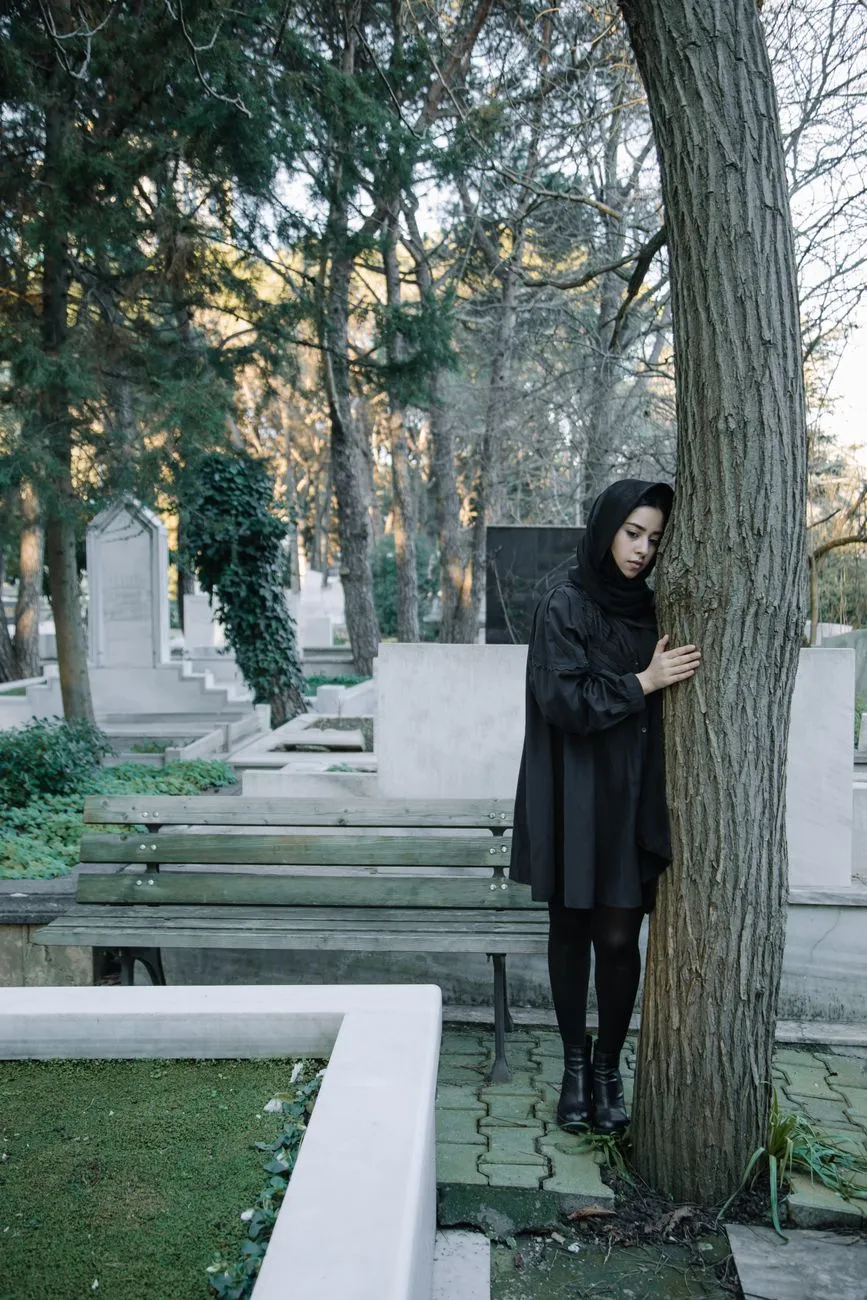
Funerals and memorial services are not the moment for a fashion statement. The goal is to show respect, blend quietly into the background, and stay comfortable enough to stand, sit, greet people, and possibly walk on uneven ground for long stretches. That said, “respectful” does not mean you have to buy an expensive new outfit or wear something that feels completely unlike you. A small set of dark, muted, well-fitting pieces will cover almost every funeral or memorial service you are likely to attend.
This guide covers colour rules, coverage, shoes that work for standing long hours, simple outfit formulas for women and men, and a short FAQ.
Colour rules: black, white, and muted tones
The safest colour for a funeral in most Western and international contexts is black, but black is not always mandatory. What matters more is that your outfit reads as quiet, sober, and non-celebratory.
Black and dark neutrals
Black is a near-universal sign of mourning in many cultures, but dark charcoal, navy, deep brown, and dark grey are usually acceptable if you do not own black. The key is that the colour should not pull attention. Avoid shiny black fabrics like patent leather or sequins; matte or softly textured fabrics look more appropriate. If you are unsure, choose the darkest neutral you already own rather than buying something new.
When white is acceptable
White can be tricky because in some traditions it is a mourning colour, while in others it is worn for celebration or by the immediate family only. As a guest, it is usually safer to avoid all-white or mostly-white outfits. A white shirt under a dark suit is fine; a white blouse under a dark cardigan or jacket is fine. The rule is that white should be a supporting accent, not the main colour. If you are attending a Buddhist funeral or a service where the family specifically asks guests to wear white, follow the family’s instruction. Otherwise, keep white to the collar, cuffs, or inner layer.
Muted tones and what to avoid
Muted versions of blue, green, burgundy, plum, and grey can work if they are dark enough and not bright. Think dusty, washed-out, or deep shades rather than saturated ones. Avoid bright red, orange, yellow, hot pink, and loud prints. If you want to use a pattern, keep it small and low-contrast, such as a dark pinstripe, a subtle check, or a dark floral with a black background. For more on building outfits around restrained neutrals, see How to Color Match Clothes: Color Wheel, Neutrals, 60-30-10.
Coverage and fit
Funerals often involve religious spaces, older relatives, and a lot of sitting and standing. A little extra coverage tends to feel more respectful and more practical than a bare look.
Necklines, sleeves, and hemlines
For women, a knee-length or midi dress or skirt is the easiest safe length. If you prefer a longer hemline, a midaxi or ankle-length style also works. Avoid very short skirts, very low necklines, or cut-outs. A modest round neck, boat neck, V-neck that does not plunge, or a collared shirt is a good choice. Sleeves can be short in hot weather, but cap sleeves or three-quarter sleeves often feel more polished. If you are unsure, carry a lightweight dark cardigan or unstructured blazer you can put on.
For men, long trousers are standard even in hot climates. A collared shirt with the top button undone and no tie is usually fine for a memorial service, but for a formal funeral a tie and jacket are safer. Shorts, flip-flops, and sleeveless tops are generally not appropriate.
Fabric opacity and layering
Choose fabrics that are opaque and not overly clingy. Linen is breathable in heat but wrinkles quickly; a cotton-linen blend or a lightweight wool-blend trouser can look more put-together. If a garment is slightly sheer, wear a slip or a dark camisole underneath. Layering a dark jacket, cardigan, or shawl over a simple base gives you flexibility if the venue is air-conditioned or if the day turns cool.
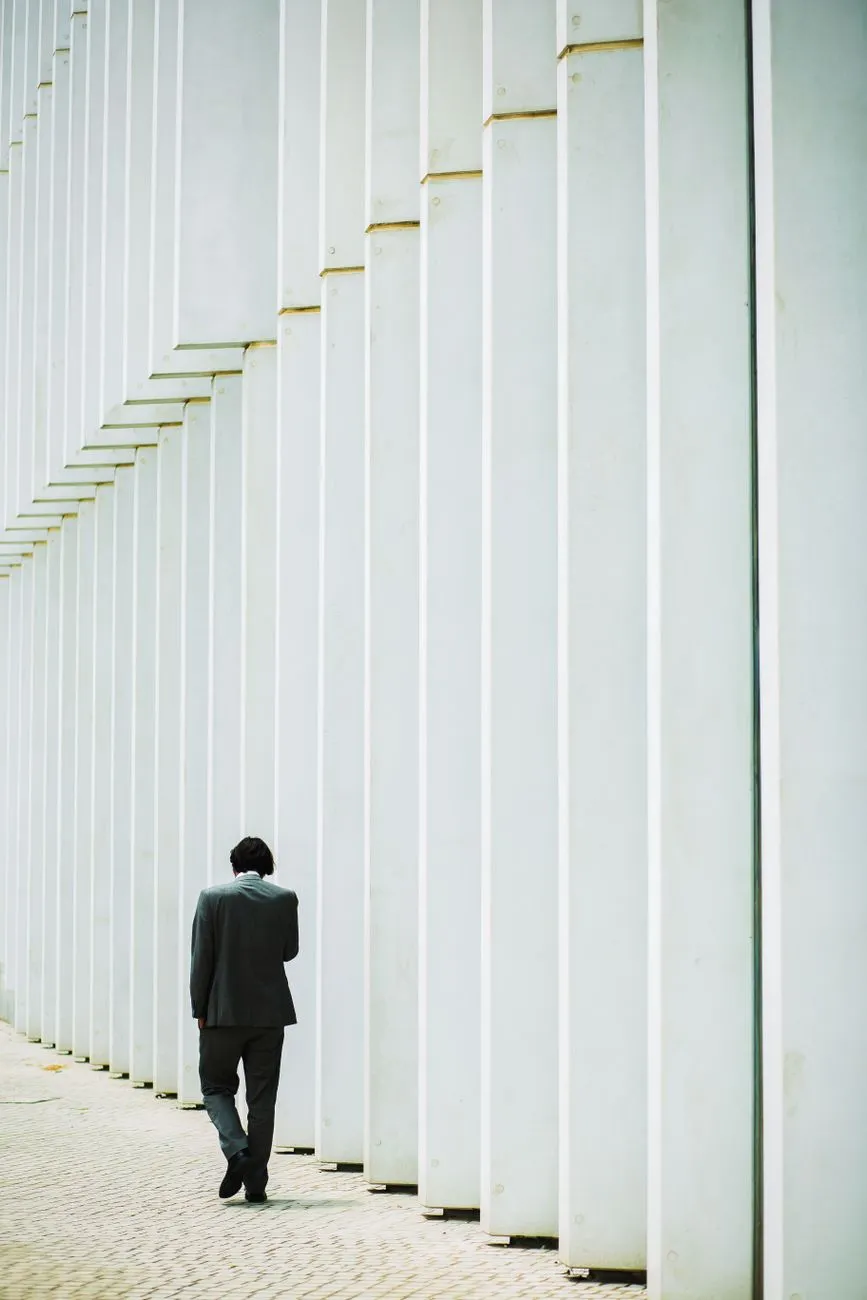 Photo: Ryutaro Tsukata / Pexels
Shoes for standing long hours
Funerals and wakes often mean long periods on your feet: waiting outside, walking from the car to the venue, standing during the service, and mingling afterwards. Shoes should be comfortable first, polished second.
Comfort features to look for
For women, avoid very high stilettos or brand-new shoes you have not broken in. A low block heel, wedge, or flat with a cushioned footbed is a better choice. Closed-toe shoes are the most traditional, but a dressy open-toe or slingback in a dark colour can work in warm weather. If you will be walking on grass or gravel, choose a block heel or flat with a rubber sole rather than a thin stiletto. For men, dark leather or suede shoes with a rubber or leather sole work well. Avoid sneakers unless the family explicitly says casual dress is welcome; if you do wear them, choose a clean, all-black or very dark pair with no loud logos.
Quick shoe formulas
- Women: black or dark leather flats, low block-heel pumps, or dark ballet flats. In colder weather, dark ankle boots or knee-high boots over opaque tights.
- Men: black or dark brown oxfords, derbies, or loafers. Pair with dark socks that match the trousers, not the shoes.
The same logic applies to men and women: test the shoes by standing and walking in them at home for 30 minutes before the day. If they pinch, rub, or make your feet ache, switch to something you know works.
Women’s outfit formulas
You do not need a special “funeral dress” in your wardrobe. Two simple formulas cover most services.
The dress formula
A dark knee-length or midi dress in black, navy, charcoal, or deep plum is the easiest one-piece option. Choose a modest neckline and a sleeve length you feel comfortable in. Add dark tights if the weather or venue calls for it, and finish with low heels or dark flats. If the dress is sleeveless, layer a dark cardigan, blazer, or lightweight knit over it. A simple black dress also works for many other occasions later, so it is not a single-use purchase.
The separates formula
A dark skirt or tailored trousers paired with a quiet top is just as appropriate. For example: black straight-leg trousers, a dark silk or cotton blouse, and a dark unstructured blazer. Or a knee-length dark skirt with a tucked-in black knit top. Avoid anything too tight, too shiny, or too casual like denim. If you want coverage on top, add a long dark cardigan or an open-front jacket. This formula transitions well to work or a dinner afterwards.
Men’s outfit formulas
Men’s funeral clothing tends to follow a simple suit or smart-casual path. The main variable is formality.
The suit formula
For a formal funeral, a dark suit in black, charcoal, or navy is the most reliable choice. Wear a white or light-coloured collared shirt, a dark tie if the service is very formal or if you are a pallbearer, and dark leather shoes. The suit does not need to be expensive; it needs to fit well in the shoulders and not be too tight across the chest. If you do not own a full suit, a dark blazer with matching dark trousers can pass, but try to keep the trousers and jacket in a similar depth of colour.
The smart-casual formula
For a memorial service or a less formal gathering, dark trousers with a collared shirt is usually enough. Choose a plain dark shirt or a muted checked shirt; keep the top button undone and skip the tie unless the invitation says otherwise. Add a dark knit vest or a casual blazer if you want a middle layer. Avoid polo shirts, T-shirts, jeans, and anything with visible branding unless the family has specifically asked for a casual dress code.
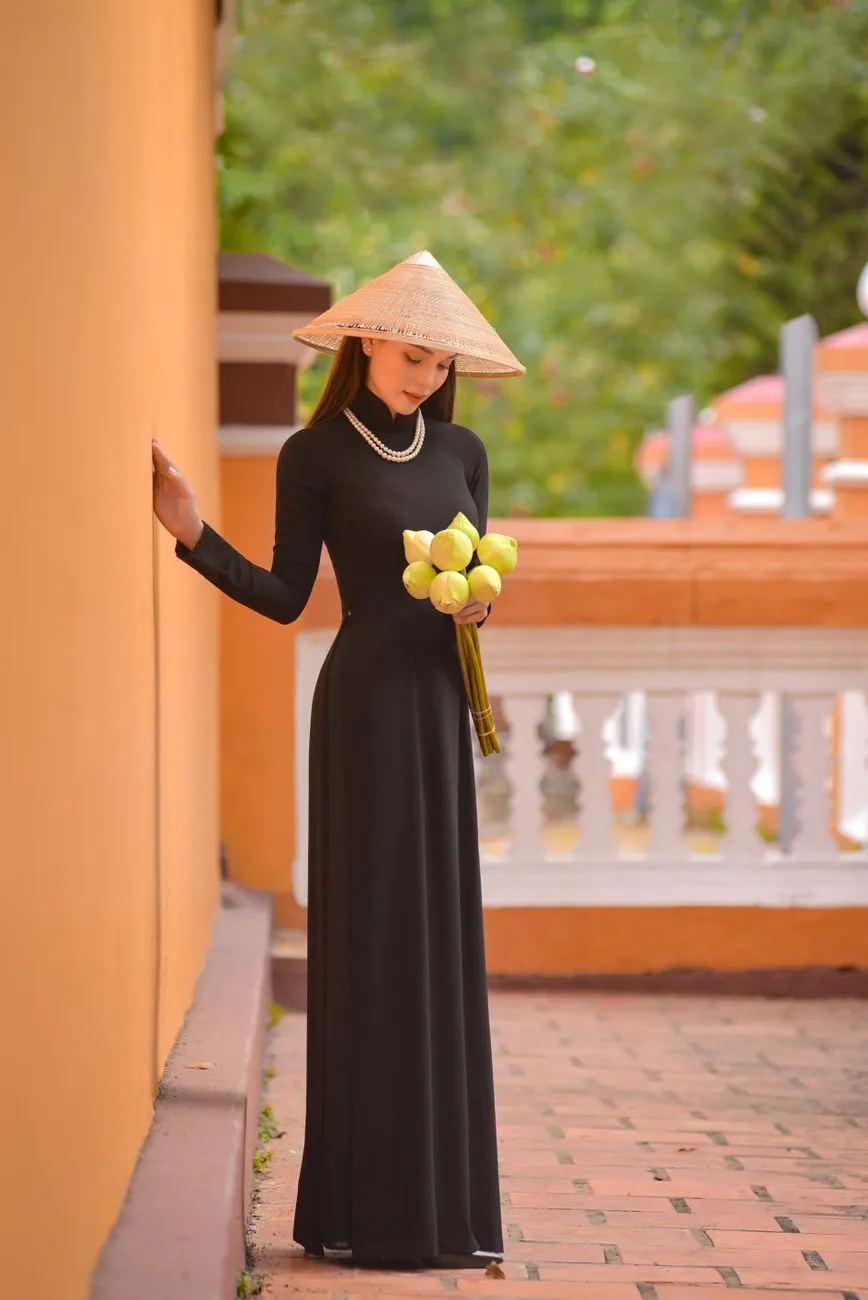 Photo: Sang Tran / Pexels
Trying on a funeral outfit before you buy
If you are not sure how a dark dress or a suit will look on your body, you can preview it at home with Macgi. Open Macgi in your phone browser—no app needed—and upload one full-body photo. Try a dress, or a top with trousers, and the result appears in about 15–40 seconds. Macgi keeps your face, body shape, skin tone, pose, and background, and changes only the clothes, with no body editing. The photos are used only for your own try-on images and are never posted, shared, used for ads, or used for AI training. The temporary copy sent to the AI is deleted within 24 hours. Just remember that the try-on image is an AI preview, so sizing still needs the store’s size chart. If you want to see how this fits into a smarter buying routine, read Try On Clothes Online Before Buying: 5 Steps to Fewer Returns.
FAQ
Can I wear white to a funeral?
As a guest, avoid an all-white or mostly-white outfit unless the family specifically asks for white. A white shirt under a dark suit or jacket is fine. In some Buddhist traditions white is mourning attire, so if the invitation or family requests white, follow that.
Is it okay to wear navy or grey instead of black?
Yes. Dark charcoal, navy, deep brown, and dark grey are all acceptable alternatives to black. The goal is quiet, dark, and non-attention-grabbing, not a literal uniform.
Do I have to wear closed-toe shoes?
Closed-toe dark shoes are the most traditional and easiest choice. In warm weather, a dressy open-toe flat or low block heel can be acceptable for women. For men, closed-toe leather shoes are the safer default. Prioritise comfort because you may be standing for a long time.
What should I avoid wearing to a funeral?
Avoid bright colours, loud prints, very short hemlines, plunging necklines, sportswear, ripped jeans, shorts, flip-flops, and anything with large logos or shiny details. If you would wear it to a nightclub or a casual beach day, it is probably not right for a funeral.
Can I wear a black shirt with black trousers if I am a woman?
Yes, a black-on-black look can work as long as the textures or fit are slightly different so it does not look like a uniform. Add a different texture on top, like a knit over a silk blouse, or wear a dark jacket over the black top. Keep jewellery minimal and matte rather than bright or glittery.