Macgi
Summer dressing often feels like a trade-off: you want to look composed, but the heat pushes you towards whatever feels coolest. The good news is those two goals do not have to compete. The key is choosing breathable fabrics, looser silhouettes that let air move, and simple formulas that do not require much thought in the morning. This guide gives you 10 hot-weather outfit formulas, the fabrics and colours worth reaching for, plus practical ways to protect your skin and avoid visible sweat marks.
10 Hot-Weather Outfit Formulas for Women
Each formula works on its own, but you can mix the pieces across formulas. If you want to preview how a top, a top with trousers, or a dress might look on you before buying, Macgi lets you upload one full-body photo in your phone browser and see an AI result in about 15–40 seconds. It keeps your face, body shape, skin tone, pose and background, and changes only the clothes, so you can test a silhouette without a fitting room.
Formula 1: Cotton shirt dress + flat leather sandals
A knee-length or midi shirt dress in lightweight cotton poplin or chambray is one of the easiest summer pieces. Look for a relaxed fit, a collar you can wear open or popped, and sleeves that end around the elbow or above. Add a thin belt if you want more waist definition. Flat leather or woven sandals keep it comfortable. Avoid heavy jersey or polyester-lined dresses, which trap heat and can cling. This works for markets, brunch or a casual office, and it covers your shoulders if you want sun protection.
Formula 2: Linen wide-leg trousers + slim cotton tank
High-waisted wide-leg trousers in linen or a linen blend have room for air to circulate, which makes them feel cooler than tight trousers. Choose a neutral shade like sand, ecru, olive or stone. Tuck in a slim cotton or ribbed tank to balance the volume on the bottom. Flat woven slides or low block-heel mules work well. Avoid synthetic trousers with no breathability; they often feel sticky. If wide-leg feels like too much, a straight-leg linen trouser is a quieter alternative.
Formula 3: Cotton midi skirt + front-tucked tee
A bias-cut or A-line midi skirt in breathable cotton, Tencel or a light viscose keeps you covered while still moving with you. Choose a skirt with an elastic or drawstring waist for comfort on hot days. Front-tuck a fitted or regular cotton tee to keep the waistline visible without adding bulk. Canvas sneakers or flat espadrilles finish the look. Avoid heavy jersey maxi skirts that cling around the hips and thighs; they can feel warmer and show sweat more easily. For more ways to build around a basic tee, see this guide on styling a t-shirt.
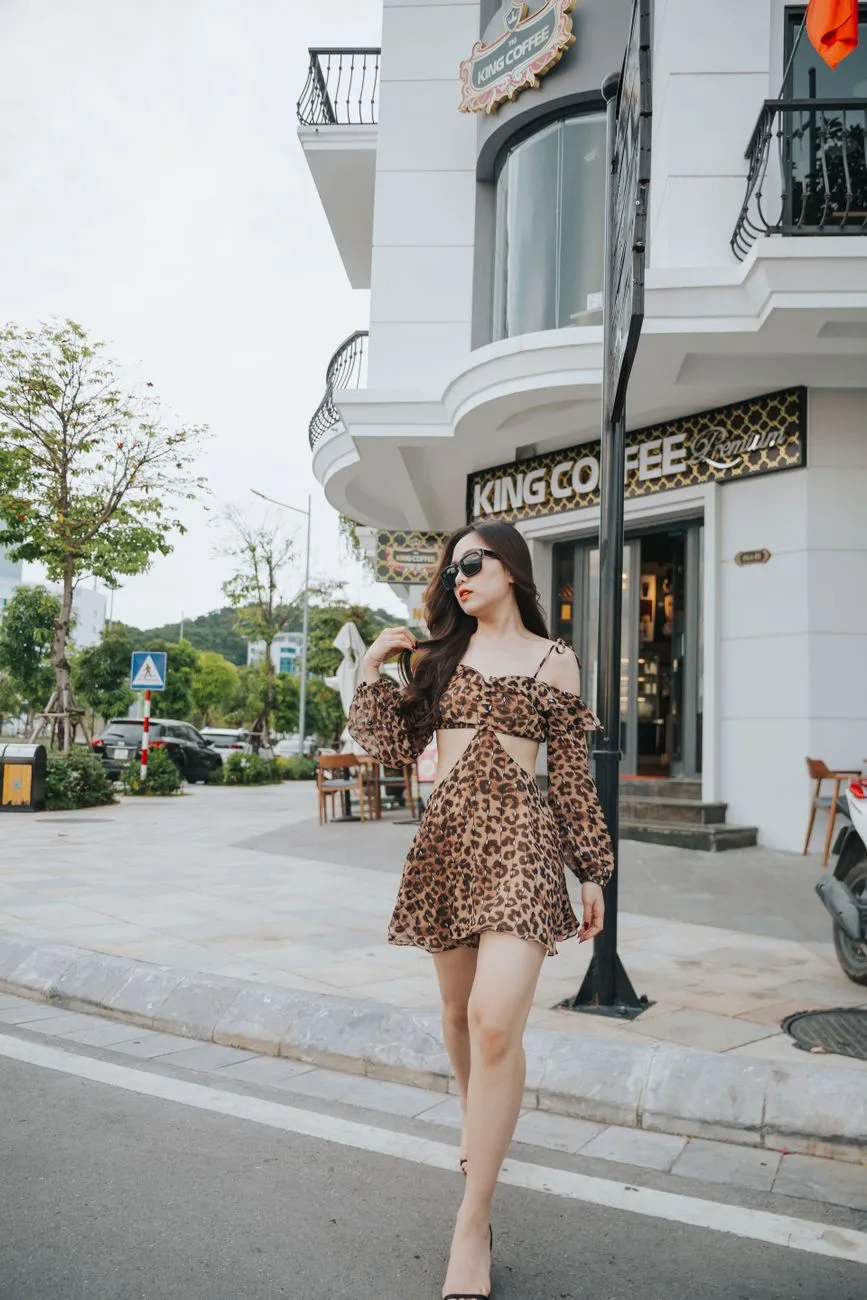
Formula 4: Lightweight wrap dress + low wedge sandals
A real or faux wrap dress in viscose, Tencel or rayon gives you an adjustable fit and a flattering shape without anything tight. Choose a length from just above the knee to midi, with a short or elbow-length sleeve. A low wedge or flat strappy sandal balances the feminine cut. Avoid shiny satin or stiff polyester versions, which show sweat and feel hot. The wrap tie also lets you loosen the fit after a long meal or during a long sit, which is a quiet summer bonus.
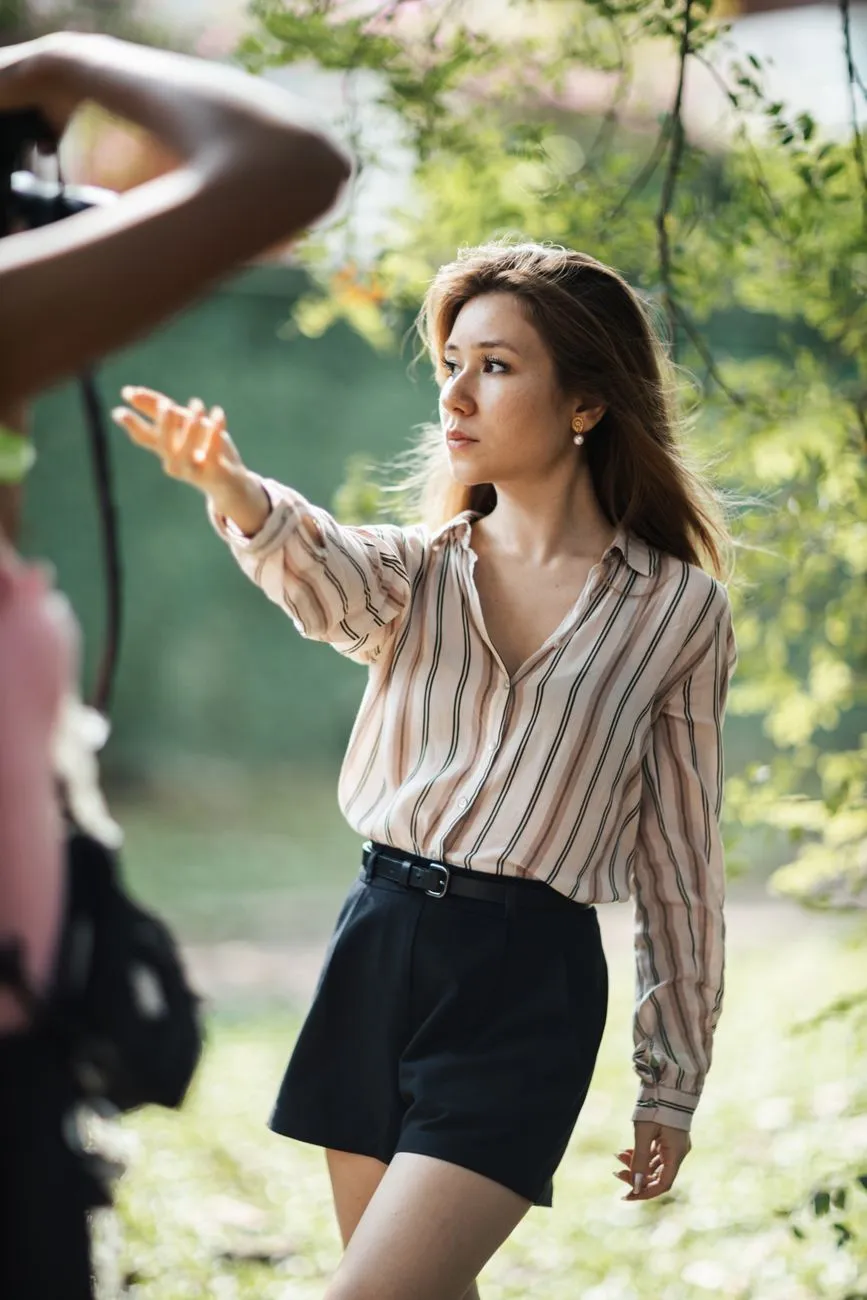 Photo: Matheus Bertelli / Pexels
Formula 5: High-waisted shorts + oversized linen shirt
Choose tailored cotton or linen shorts with a 3–5 inch inseam, or longer if that is your preference. Pair them with an oversized linen or lightweight cotton button-up shirt; wear it open over a tank or buttoned with a half-tuck. This gives you sun coverage on your arms and shoulders while the roomy fit lets air through. Leather sandals or clean white sneakers work. Avoid very short denim cutoffs if you want more coverage, and avoid stiff synthetic shirts that cannot breathe.
Formula 6: Flowy palazzo pants + cropped camisole
Palazzo pants in rayon, Tencel, crinkle cotton or a light viscose have a wide leg from the hip, which creates constant airflow. Balance the volume with a fitted cropped camisole or square-neck top, but keep the top long enough to meet the waistband. Flat sandals with an ankle strap or a low wedge keep the silhouette long. Avoid adding a bulky jacket or a top that puffs at the waist; it can overwhelm the line. This is a great option if you prefer full leg coverage without feeling constricted.
Formula 7: Tiered maxi dress + minimal slides
A tiered maxi dress in cotton lawn, rayon or a light viscose gives you a breezy, no-waistband option. Look for a sleeveless or short-sleeved version in a solid colour, small floral or subtle stripe. Flat slides or flat strappy sandals keep it minimal. The length protects your legs from the sun while the loose tiers let air move. Avoid dark heavy polyester versions and overly dramatic ruffles, which can add visual weight and warmth. If you are shorter and worry about maxi length, choose a style that finishes at the ankle rather than pooling on the floor.
Formula 8: Belted culottes + sleeveless blouse
Culottes that are cropped just above the ankle in cotton, linen or Tencel feel smart without the heat of full trousers. Pick an elastic or flat-front waist and add a thin belt if you want a defined middle. Tuck in a sleeveless blouse in cotton or a silk-cotton blend, or do a French tuck. A low block heel or a pointed flat works well. Avoid culottes that are so wide they add visual weight to the lower half; if you want to balance proportions, pair them with a fitted top.
Formula 9: Linen shorts + relaxed camp-collar shirt
Mid-rise or high-rise linen shorts that finish just above or at the knee pair naturally with a relaxed camp-collar shirt in rayon, linen or a light cotton. Wear the shirt open over a plain tank or buttoned with the sleeves rolled once. Espadrilles or woven loafers lean into the vacation feel, but a canvas sneaker keeps it casual. Avoid very stiff collars and very short shorts with an oversized top; the combination can look unbalanced.
Formula 10: Light denim jacket + slip dress
For air-conditioned spaces, breezy evenings or extra sun protection, layer a light wash denim jacket or a thin cotton shirt over a midi slip dress. The slip dress should be in a breathable material such as Tencel, silk or a light viscose rather than heavy satin. White sneakers or heeled sandals work. Avoid thick, rigid denim and leather jackets, which trap heat. This is a good formula when you will move between hot outdoors and cold indoor air.
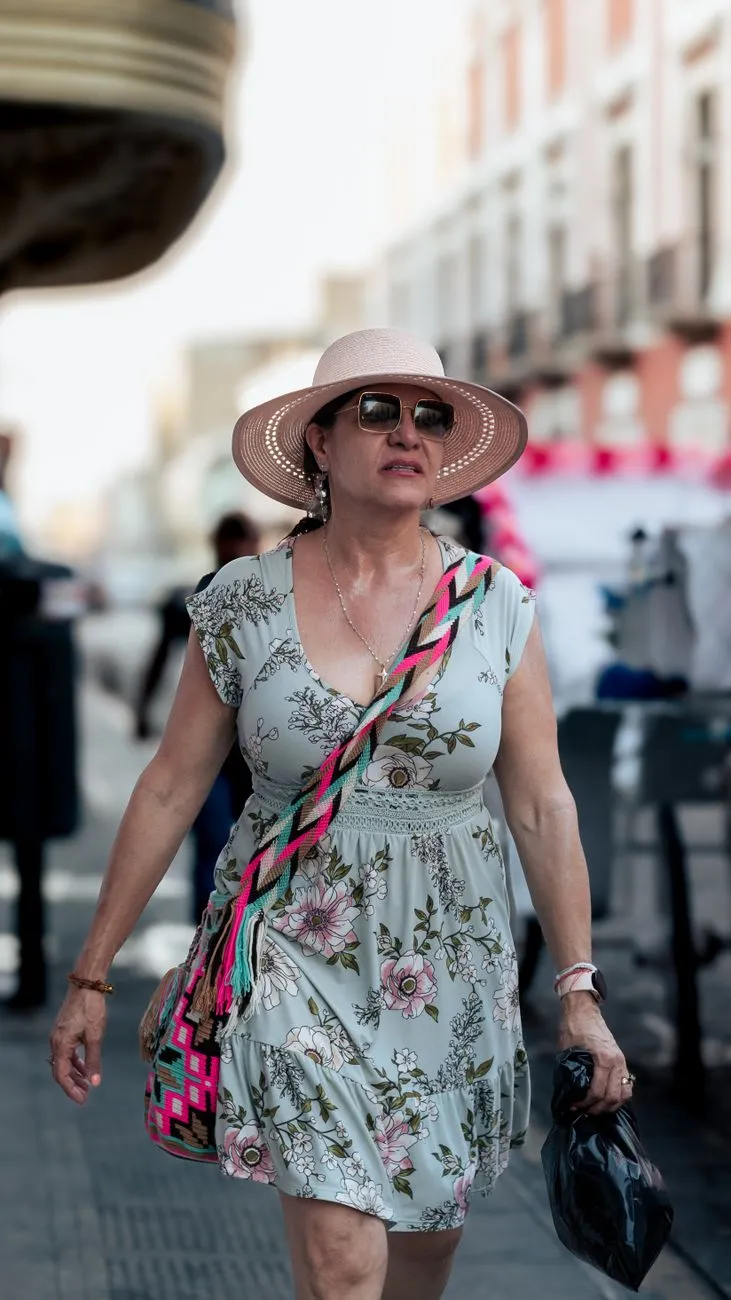 Photo: Brian Jiz / Pexels
The Best Summer Fabrics (and What to Skip)
Fabric choice matters more than any styling trick. The right material can make a long-sleeved dress feel cooler than a tiny synthetic top.
Fabrics to reach for
Look for lightweight natural or semi-synthetic fibres that allow airflow and dry reasonably quickly:
- Cotton poplin, voile, lawn, chambray and seersucker
- Linen, hemp and ramie
- Tencel or lyocell, modal and light viscose or rayon
- Blends with a small amount of elastane for stretch, as long as the main fibre is breathable
Linen wrinkles, but that is part of its relaxed summer character. If you want fewer creases, choose a linen-cotton blend or Tencel.
Fabrics to avoid
Standard polyester, nylon and acrylic tend to trap heat, hold sweat and cling. Thick denim, double knits, fleece and coated fabrics are also worth skipping in high heat. Pay attention to linings: a cotton dress with a polyester lining can still feel hot and sticky because the lining sits directly against your skin.
Colours That Work in Hot Weather
Light colours reflect more sunlight than dark ones, so white, cream, ecru, sand, light blue, sage, lilac, soft yellow and blush all feel visually cooler. That does not mean you must avoid dark colours. A black linen dress or navy chambray shirt can work well because the fabric breathes and the fit stays loose.
If you want to hide sweat marks, small prints, gingham, stripes and checks are useful. Solid pale colours and light grey tend to show wet patches more clearly than mid-tone or darker shades. Colour is also a styling tool: if you want to balance proportions, use lighter and brighter colours on the half you want to draw attention to, and darker or simpler colours elsewhere. The same principle appears in this guide on how to dress for your body type.
Sun-Protection Layers That Do Not Overheat
You do not need a heavy cover-up to protect your skin. The most useful summer layers are thin, loose and breathable:
- A cotton or linen overshirt worn open
- A gauze or voile shirt
- A chambray button-up
- A lightweight cardigan in cotton or modal
- A light wash cotton denim jacket for evenings
A wide-brim hat and sunglasses also help without adding heat. If you are outside around midday, choose longer hems and sleeves in a breathable weave rather than a tight synthetic cover. Avoid polyester windbreakers, thick denim and leather, which trap heat and undo the benefit of your breathable base layer.
How to Avoid Visible Sweat Marks
Fabric, fit and colour do most of the work here.
- Choose breathable fabrics first. Linen and lyocell tend to dry more quickly than heavy cotton once you are indoors.
- Avoid tight armholes. A raglan sleeve, dropped shoulder or slightly loose short sleeve lets air move and is less likely to press wet fabric against your skin.
- Choose prints or mid-tone and darker colours if visible wetness worries you. Small florals, stripes and checks disguise marks better than solid white or light grey.
- Layer strategically. A breathable open shirt can hide damp spots while still allowing airflow, but only if the shirt itself is not heavy.
- Keep bags light. A heavy backpack or tight synthetic crossbody bag across the back or underarm can make sweating worse in that area.
FAQ: Summer Outfits for Women
What should I wear in extreme heat and still look put together?
Choose a one-piece dress in a breathable fabric and flat sandals, or a matching linen set with a tucked top. Keep accessories minimal and hair off your neck. The simpler the formula, the less there is to overheat or fuss with.
Can I wear jeans in summer?
Yes, if they are lightweight and relaxed. Look for a light wash, a high cotton content, and a wide or straight leg. Avoid thick, tight skinny jeans because they trap heat and restrict airflow.
What shoe styles work best in hot weather?
Flat sandals, slides, espadrilles, canvas sneakers, woven loafers and low block heels are all good. Avoid synthetic leather and heavy closed shoes, which can feel hot and lead to more sweating.
How can I test a summer outfit without getting hot in a fitting room?
You can use Macgi in your phone browser. Upload one full-body photo, try a top, a top with trousers, or a dress, and see an AI preview in about 15–40 seconds. The AI keeps your face, body shape, skin tone, pose and background and changes only the clothes, with no body editing. Photos are used only for your own try-on images and are never posted, shared, used for ads or AI training. The temporary copy sent to the AI is deleted within 24 hours. Try-on images are AI previews, so you should still check the store’s size chart. For the best starting photo, see this guide on how to take a full-body photo for AI try-on.