Macgi
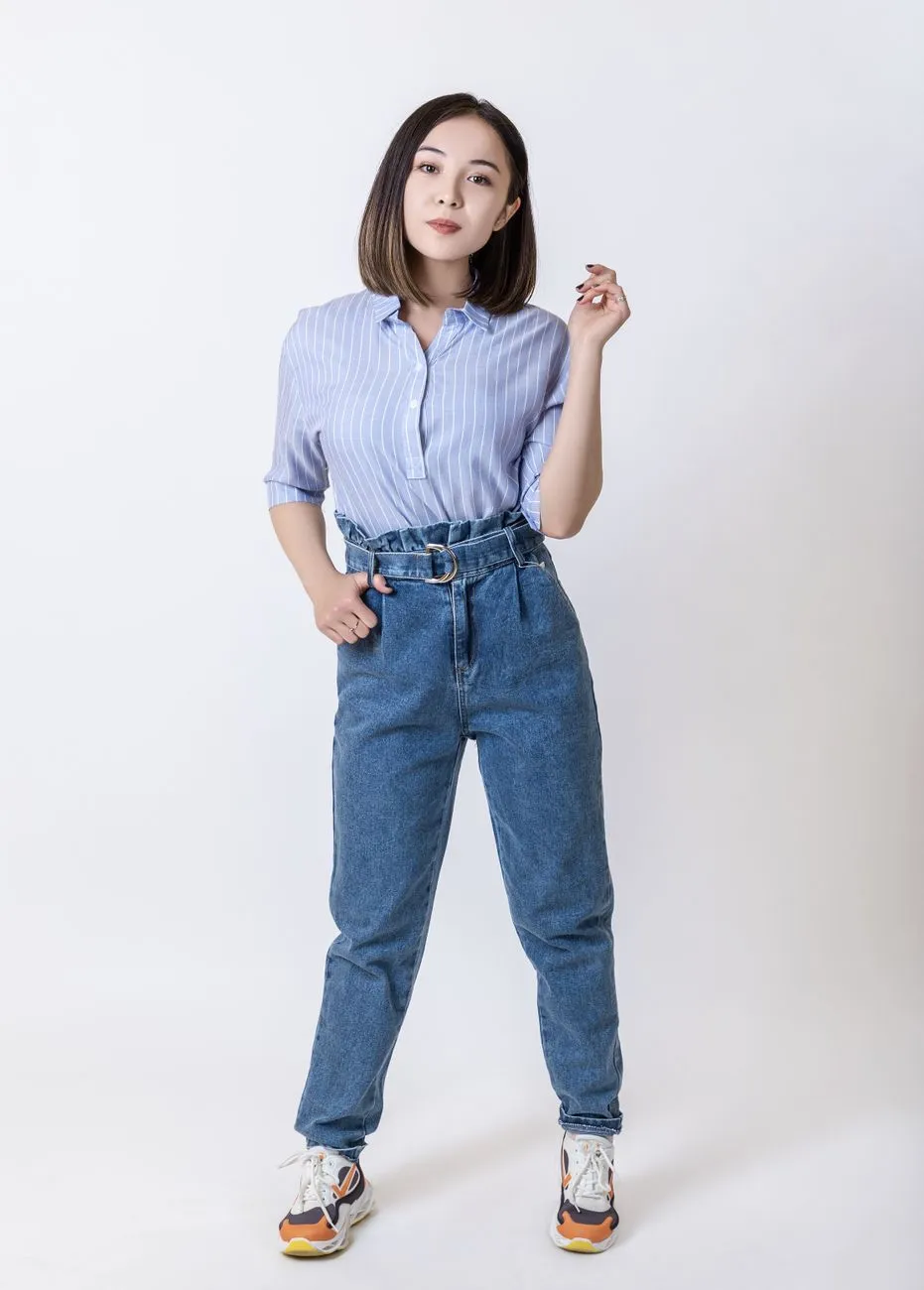
When people search for how to dress 80s, they usually do not mean a costume-shop wig and plastic sunglasses. They mean the decade’s energy: strong silhouettes, confident shine, a little bit of exaggeration. The good news is that the late 70s, 80s, 90s and Y2K all share a small list of normal, wearable pieces. You can build each look from a straight-leg jean, a white tee, a black blazer, a slip dress, a denim jacket and the right shoes.
The key principle is restraint. A costume uses all the decade’s codes at once. A good outfit picks one or two signatures—a big shoulder, a metallic shoe, a baguette bag—and keeps the rest straightforward.
The 80s is an energy, not a costume
The 80s are best understood as four overlapping mini-eras rather than one block of shoulder pads and neon. If you try to wear them all at the same time, you get a fancy-dress result. If you choose one, you get an outfit people will read as stylish before they read it as retro.
The four looks covered here are:
- Disco hangover: satin, wrap shapes, black and gold, a little skin.
- 1980s power: oversize blazers, high-waist trousers, strong belts, statement earrings.
- 1990s looseness: slip dresses, white tees under dresses, flannel around the waist, chunkier shoes.
- Y2K contrast: fitted tops with wide or flared jeans, metallic accessories, small sunglasses.
For each, the formula works with normal clothes rather than specialist vintage.
The four mini-eras and their signature pieces
Disco (late 70s into early 80s)
Look for pieces with drape and movement rather than heavy structure. A satin or silk-blend camisole, a wrap top, a bias-cut slip skirt, or wide-leg black trousers all read as disco without looking like a costume. The palette does a lot: black, chocolate brown, cream, silver, gold.
- Fabrics: satin, silk, viscose with sheen, fine knit.
- Key shapes: wrap front, V-neck, bias cut, high waist.
- Avoid: head-to-toe sequins, shiny polyester trousers with a disco-print top, platform boots with everything. Pick one shiny piece.
The 1980s power dresser
This is the easiest for most wardrobes because a boxy blazer and straight-leg trousers are still modern. The signature is a strong shoulder line, but you do not need padded shoulders. A slightly oversized blazer with a structured shoulder, or a denim jacket with shoulders that sit at the outer edge, gives the effect.
- Fabrics: wool-blend suiting, denim, cotton poplin, leather or faux leather.
- Key shapes: oversized blazer, high-waist pleated trouser, straight or tapered jean, pencil skirt.
- Colours: black, white, grey, cobalt blue, red as an accent, not all over.
The 1990s minimalist-grunge middle
The 90s took the 80s volume out of the shoulder and moved it down to the leg and shoe. It is a softer, lower-contrast look. The slip dress is the easiest entry piece, but a long pleated skirt or a straight midi skirt works too. Grunge adds flannel, bare sneakers, and a slightly undone layer.
- Fabrics: satin, ribbed cotton, denim, flannel.
- Key shapes: slip dress, long skirt, oversized shirt, straight-leg jean.
- Avoid: trying to do full grunge and full minimalist at once. Let one piece be sloppy, keep the rest clean.
Y2K (late 90s to early 2000s)
Y2K is about contrast: fitted on top, wide or low on the bottom, metallic and glossy in accessories. It is the easiest look to overdo, so use one Y2K piece at a time. A fitted baby tee with wide-leg jeans is the most wearable version; a pleated mini skirt with knee-high boots is a stronger take.
- Fabrics: stretch cotton, low-rise denim, nylon or mesh in small doses.
- Key shapes: small shoulder bag, headband, slim sunglasses, baby tee, wide or flare leg.
- Avoid: low-rise everything plus a belly chain plus a printed mesh top. One flash of skin is enough if that is what you want.
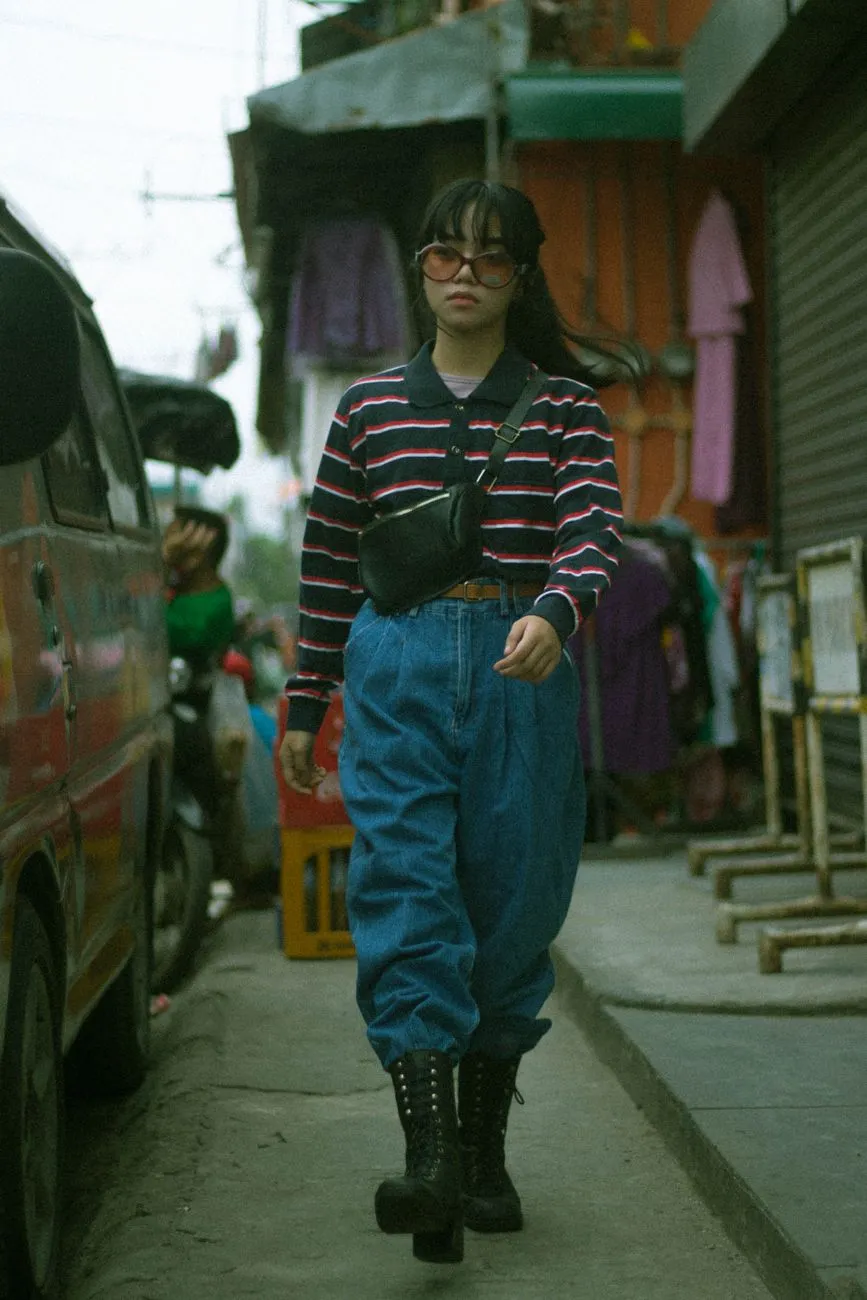 Photo: Stephen C / Pexels
Outfit formulas with the clothes you already own
Here are four complete formulas. Each uses pieces you likely have or can borrow, and each works for a normal day rather than a themed party.
Disco: satin top + black trousers + gold accents
Women: A black or cream satin camisole tucked into high-waist black wide-leg or straight trousers. Add a thin gold necklace, small gold hoops, and a block-heel sandal or pointed flat. If you want more coverage, layer a fine knit cardigan over your shoulders.
Men: A black camp-collar shirt in a drapey fabric, worn untucked over straight black trousers. Add a leather belt and a clean, dark shoe. Keep the shirt plain so the drape does the talking.
Why it works: The shine sits near the face, the black trousers create a long line, and the gold is concentrated. If you want to try the top with trousers before buying, a phone-browser try-on can show whether the silhouette works with your proportions.
What to avoid: matching shiny top and shiny trousers.
80s: oversized blazer + white tee + straight jeans
Women: A slightly oversized blazer in black, grey or cream over a plain white tee, tucked or untucked depending on the rise of your jeans. Wear it with straight-leg jeans and a belt that matches your shoes. Roll the blazer sleeves once to show the tee.
Men: Same formula: a roomy blazer over a clean white or grey tee, straight or tapered jeans, and low-top sneakers. If you want more 80s sharpness, swap the tee for a tucked grandad-collar shirt.
Why it works: The blazer gives the strong shoulder, the tee stops it looking corporate, and the straight leg keeps the proportions balanced. For a wider-leg option, see How to Style Wide Leg Jeans.
What to avoid: a blazer that is too tight across the shoulders, and a neon tee under a neon blazer.
90s: slip dress over a white tee or a flannel at the waist
Women: A satin bias-cut slip dress over a fitted white or black tee. A midi length is the most wearable day-to-night; a mini version feels more 90s but works better with opaque tights if you want more leg coverage. Add chunky loafers or white low-top sneakers. If you want the grunge layer, tie a flannel shirt at your waist instead of wearing it over the dress.
Men: A plaid flannel over a plain white or black tee, with straight-leg jeans and suede work boots or plain canvas sneakers. Keep the flannel unbuttoned if the fit is boxy. For more on this lane, read How to Dress Grunge.
Why it works: The white tee makes the slip dress feel like daytime clothing, and the flannel adds an intentional 90s layer without turning into a full costume.
What to avoid: a slip dress that is too small at the bust or hips, and heavy platform shoes with a long flannel—it can make the look feel heavy.
Y2K: fitted top + wide or flare jeans + small bag
Women: A fitted ribbed tee or baby tee tucked into mid-rise or lower-rise wide-leg or flare jeans. Add a small shoulder bag, slim sunglasses, and either a square-toe mule or a chunky sneaker. If you want the flashier Y2K effect, swap the tee for a satin camisole and add a thin chain belt.
Men: A closer-fitting tee or a short-sleeve knit polo tucked into straight or slightly flared jeans, with clean white sneakers. Keep accessories minimal: a slim watch or a simple chain.
Why it works: The fitted top contrasts with the wider leg, which is the core Y2K proportion. The small bag and sunglasses add decade recognition without changing the outfit. For the full backstory and more pieces, see Y2K Fashion Style.
What to avoid: low-rise jeans if you find them uncomfortable. A mid-rise pair with a shorter top gives the same proportion without you having to tug at the waistband all day.
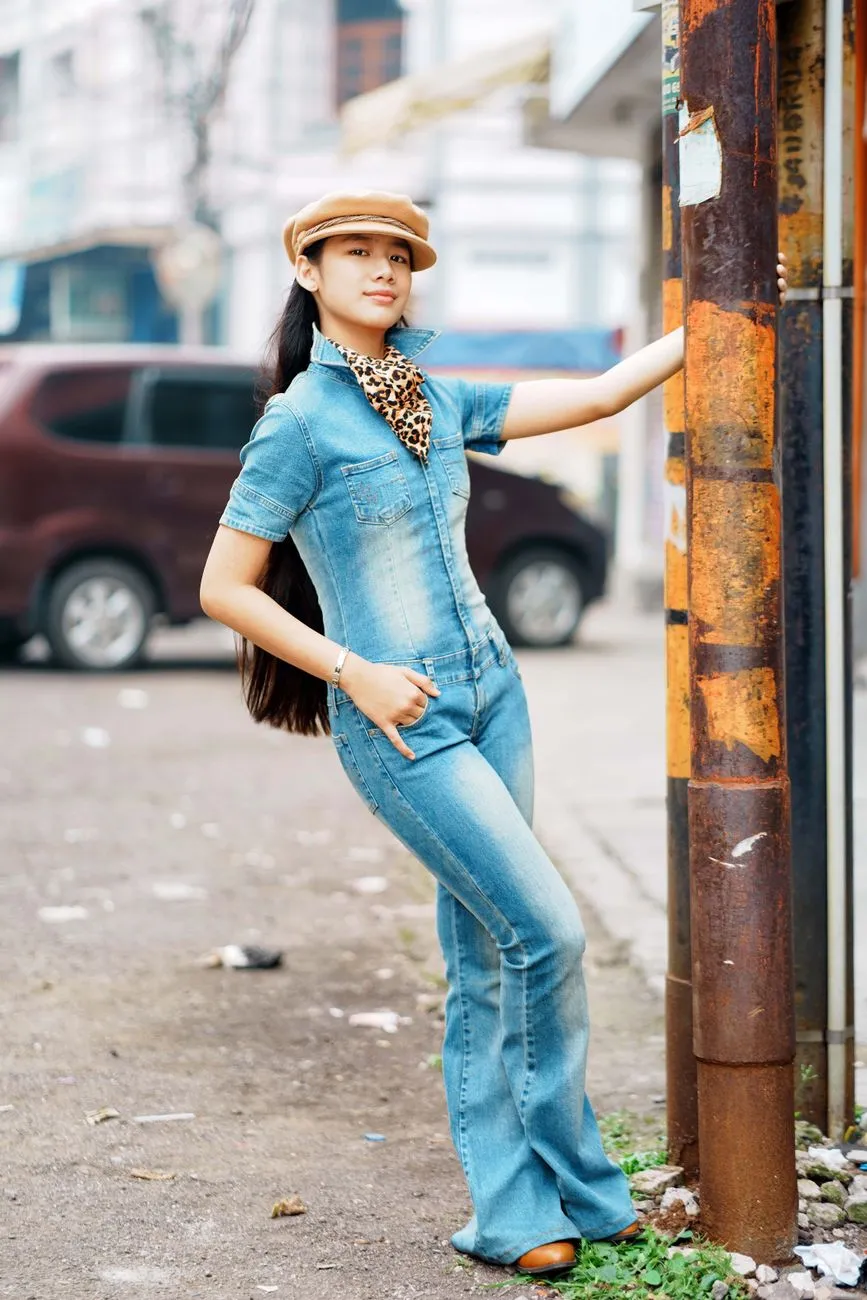 Photo: balladphotoworkchanel robinkoraag / Pexels
Shoes and accessories that do the heavy lifting
Shoes control the decade more than almost anything else.
- White low-top sneakers: sit between 80s and casual 90s. They work with straight jeans, slip dresses and wide-leg jeans.
- Chunky loafers: pull 90s and Y2K outfits into focus. Wear with short socks and a midi skirt or straight jeans.
- Pointed flats or block heels: read as disco and 80s in black or metallic.
- Knee-high boots: with a slip midi skirt or under straight jeans, they lean 90s and Y2K.
Accessories should be edited. A good rule is one strong accessory per outfit: either the earrings, the belt, the bag or the sunglasses. Gold hoops work for disco and Y2K. A slim chain belt works for 80s and Y2K. A baguette shoulder bag reads Y2K instantly. A wide leather belt reads 80s. Do not stack all of them at the same time.
Sunglasses are another quick switch. A slim, rectangular or oval frame reads late 90s to Y2K. A rounded metal frame reads 70s disco. A black acetate frame can bridge 80s and 90s depending on the outfit.
What to avoid and why
- All neon everything. Neon is one of the first things people reach for, but head-to-toe neon reads as a costume. Use neon as a small accent—a sock, a bag strap, a shoe—if at all.
- Too many shiny or metallic pieces together. Shine is a strong signal. One satin camisole or one metallic bag is enough.
- Wearing every decade at once. A satin slip dress with a padded blazer, knee-high boots, a chain belt, and tiny sunglasses is a tumble of decades. Pick one or two eras.
- Skipping fit. Oversized pieces still need to fit at the shoulder and the hem. A blazer that hangs past the fingertips or jeans that drag on the ground can make an intentional outfit look unkempt.
- Dressing as a stereotype. If you want to try a look, adapt it to your body and comfort. You do not need to show skin, wear a low rise, or choose a fitted top to participate in any of these styles. A high-rise wide-leg pair with a relaxed tee can still feel Y2K through the accessories.
How to test a decade look before you buy
A lot of these formulas use pieces you already own, but if you want to try a new shape—an oversized blazer, a satin slip skirt, wide-leg jeans—you can preview it without guessing. Macgi works in the phone browser with no app: upload one full-body photo, pick a top, a top with trousers, or a dress, and in about 15–40 seconds you get a preview that keeps your face, body shape, skin tone, pose and background, changing only the clothes. It does not edit your body. The result is an AI preview, not a fit guarantee, so use it to check whether a silhouette works visually, then check the store’s size chart before you commit.
The try-on image stays private: it is only used for your own preview, never posted, shared, used for ads or AI training, and the temporary copy sent to the AI is deleted within 24 hours.
That makes it easier to test a 90s slip dress over a tee or a Y2K wide-leg pair without ordering multiple sizes and returning them.
FAQ
How do I make an 80s outfit look modern and not like a costume?
Keep the rest of the outfit plain. An oversized blazer with a white tee and straight jeans reads modern. The same blazer with neon, chain belts, roller skates and fingerless gloves reads costume. Choose one statement piece and use calm pieces everywhere else.
What if I do not own a statement blazer, slip dress or flannel?
Start with the accessories and shoes. A baguette bag, small oval sunglasses, a pair of knee-high boots or chunky loafers can bend a basic jeans-and-tee outfit towards the decade you want. You can also untuck a shirt, roll sleeves, or change the belt.
Can I wear these looks if I have a fuller figure or a smaller frame?
Yes. The formulas are about silhouette, not size. If you want to define your waist, tuck the top or add a belt. If you want a longer line, choose monochrome trousers and shoes. If you want more coverage, layer the slip dress over a long-sleeve tee and wear tights. The aim is to use the decade’s energy while staying comfortable.
What shoes are most versatile across all four decades?
White low-top sneakers are the safest all-rounder. Chunky loafers cover 90s and Y2K best. A black pointed flat or block-heel sandal covers disco and 80s. If you only want one extra pair, choose the white low-top because it works with all four formulas.
Are these looks okay for men?
Yes. The men’s versions above use the same normal pieces: a roomy blazer, plain tees, straight trousers, flannel, a closer-fitting knit. The main difference is that men’s 80s and 90s looks often rely more on a strong jacket and a clean shoe than on shine.
Are Macgi try-on images accurate for sizing?
The try-on is an AI preview, so it shows how a garment might look on your body, but it does not guarantee fit. You should still check the store’s size chart and, if available, customer measurements. It is useful for silhouette and proportion, not for seam placement.